What Is Keyless Entry
Introduction
Why Traditional Keys Are No Longer Enough
Physical keys are becoming a limitation rather than a solution. They are easy to lose, difficult to manage at scale, and create security gaps when copied or shared without control.
Electronic door locks and keyless entry systems represent a shift toward clearer, more manageable security. Instead of relying on physical keys, access is controlled through digital credentials that can be issued, changed, or revoked as needed.
For homeowners, businesses, and property managers, this shift enables a more modern approach to security. Keyless entry systems reduce key-related risks while improving visibility and control across doors and users.
As a manufacturer focused on precision lock cylinders, mechanical locks, and electronic locking systems, EOS SECURE has supported this transition since 2011. Our work reflects the broader industry move from purely mechanical locking toward integrated electronic access solutions designed for long-term security and operational clarity.
What Is Keyless Entry
A Simple Explanation for First-Time Readers
What Keyless Entry Actually Means
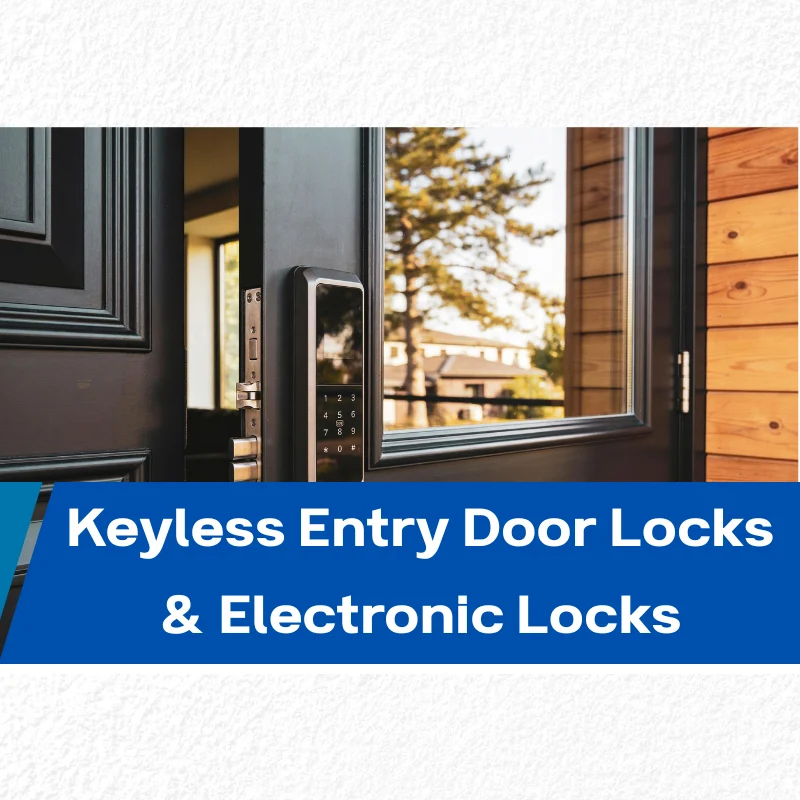
Keyless entry refers to any door locking system that allows access without using a physical key. Instead of a metal key, entry is granted through digital authentication.
These systems are commonly used across electronic door locks, smart locks, and biometric locks. The defining feature is not the lock type itself, but the method of access.
How Keyless Entry Works in Everyday Use
Most keyless entry systems use a motorized mechanism to move the locking bolt. When a valid credential is presented, the lock receives a signal and unlocks.
Common communication methods include Bluetooth, Wi-Fi, Z-Wave, and RFID. To ensure reliability, many systems retain mechanical backups such as emergency keys or external power contacts.
This combination of electronic control and mechanical reliability is central to modern access design.
Common Types of Keyless Entry Systems
Keypad Locks
Code-Based Access Without Physical Keys
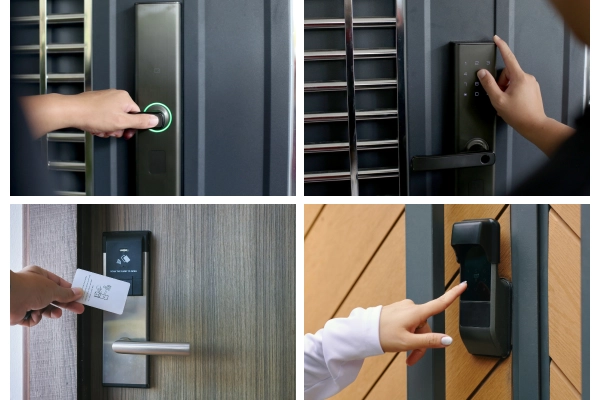
Keypad locks use numeric codes to unlock doors. Codes can be assigned to multiple users and changed without replacing hardware.
These systems are commonly used in homes, offices, and short-term rental properties where flexible access is required.
Smart Locks
Connected Access With Remote Control
Smart locks connect to mobile apps and cloud-based platforms. They allow remote locking and unlocking, access scheduling, and activity visibility.
Many systems integrate with voice assistants and broader security platforms, enabling centralized access management.
Biometric Locks
Access Based on Fingerprints or Facial Recognition
Biometric locks authenticate users through fingerprints, facial recognition, or palm scanning. Because biometric data is unique, these systems reduce the risk of credential sharing.
They are often used on high-traffic or higher-security entry points.
RFID and Key Card Systems
Tap-and-Go Access for Shared Spaces
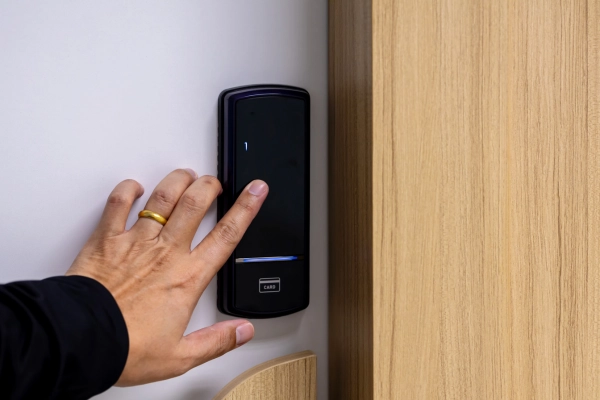
RFID-based systems use cards or key fobs to grant access. They are widely used in hotels, offices, and multi-tenant buildings.
Permissions can be assigned, limited, or revoked without changing the lock hardware.
Electronic Deadbolts
Stronger Physical Security With Keyless Control
Electronic deadbolts enhance resistance to forced entry while supporting keyless access methods. They are frequently integrated into smart lock systems for higher security requirements.
EOS SECURE supports a full range of smart locking solutions, including smart lock cylinders, biometric handle sets, and app-controlled locks. These systems are designed to support residential, commercial, and short-term rental environments with flexible configuration and system integration options.
Why Businesses and Property Owners Choose Keyless Entry
Better Control Over Who Can Enter
Keyless entry removes risks associated with lost or duplicated keys. Digital credentials can be changed immediately, reducing exposure.
Many systems support multi-factor authentication, real-time alerts, and access logs that improve oversight.
Easier Access Without Managing Physical Keys
Users no longer need to carry physical keys. Access can be granted remotely or temporarily based on time or role.
Automatic locking and system integrations further reduce reliance on manual processes.
Simpler Access Management Across Multiple Users
Keyless entry systems simplify multi-user access management. Permissions can be updated without replacing lock hardware.
Centralized control and exportable audit logs support operational clarity across multiple doors and locations.
How to Choose the Right Keyless Entry System
What to Look for Before Making a Decision
Key Factors That Matter Most
Connectivity options such as Bluetooth, Wi-Fi, or Z-Wave affect how access is managed. Power design matters, including battery life, low-battery alerts, and backup options.
Physical compatibility with existing doors and hardware should be verified. Feature needs vary based on whether app control, voice integration, or video intercom support is required.
Security standards, encryption methods, and firmware update practices are essential for long-term reliability.
Installation Considerations for Long-Term Reliability
Some keyless locks support DIY installation. Professional installation is recommended for integrated systems or commercial environments.
This is especially important when connecting locks to access control platforms or building security systems.
EOS SECURE supports customers through product selection, system design, and installation guidance. Our solutions meet international standards such as EN1303 and SKG and are backed by patented technologies and OEM and ODM customization options.