When it comes to security, there is nothing that compares to a mechanical door lock, especially in an age where discussion is focused on digital security. Mechanical locks – from residences to commercial spaces – are still a dependable key-based security mechanism and remain a strong locking option. If you are looking for mechanical locks for doors or have previous experience, understanding how mechanical door locks work will ensure that you make a smart, secure choice. In the following guide, we will cover it all from definitions to mechanical locks available today.
What are Mechanical Door Locks?
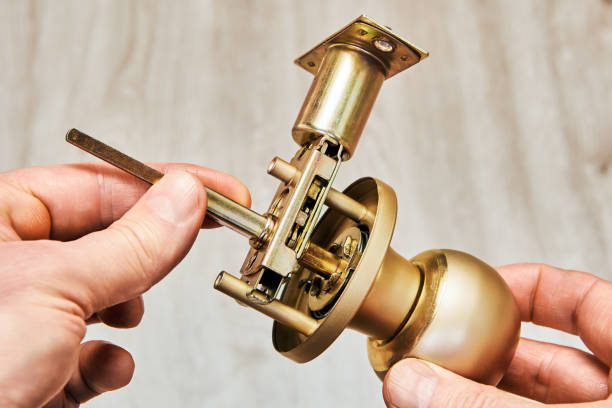
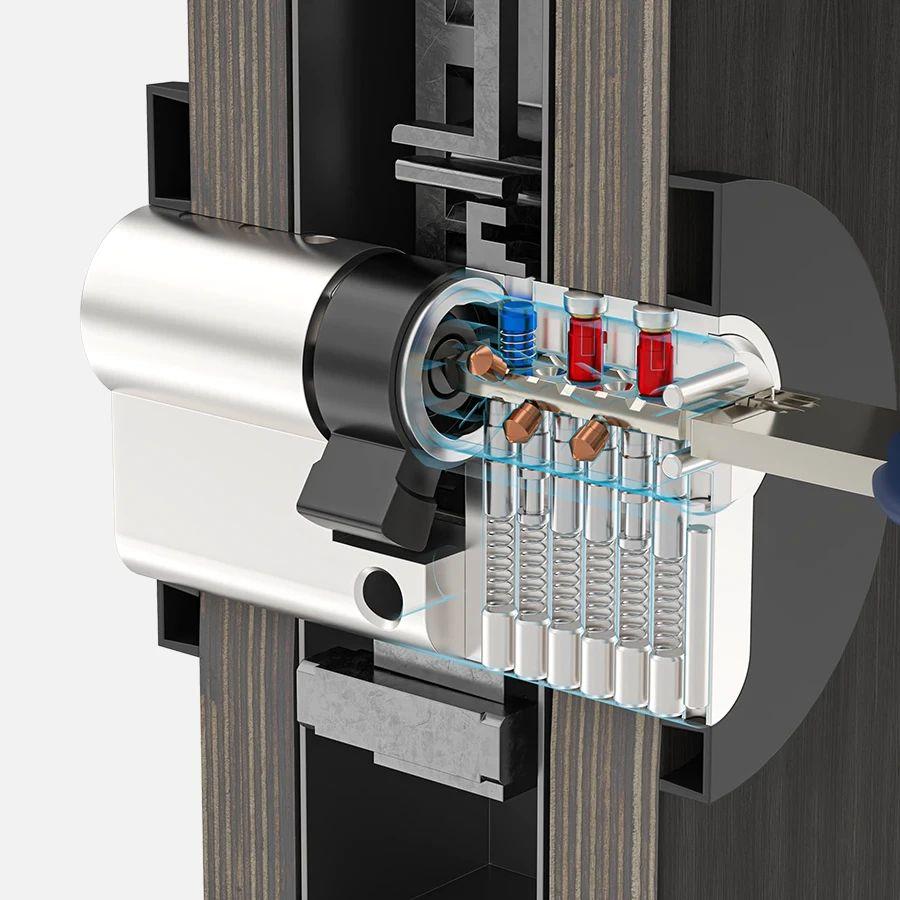
Typically, a mechanical door lock is a manually operated security device, while a number of physical components come into play to restrict access to doors; these may include levers, bolts, tumblers, or pins. Or, rather, mechanical means can be termed as electrical-less locks; that is, one would have to use a key or some mechanical input for the operation, and, hence, their reliability is built upon their simplicity.
Mechanical door locks are categorized into several types; each consisting of a mechanical system that engages physically to secure the door. Some are keyless, such as the mechanical push button door lock or mechanical combination door lock – mechanically operated, requiring no electricity.
Through the centuries, the mechanisms have gone through an evolution, while in principle they remain the same: entry by physical means and denial through equally tangible, reliable components. The allure of a steady mechanical door lock system rests in simple, low-maintenance performance and peace of mind, as opposed to that of a vulnerable digital system, making it suitable for homes or offices, especially high-traffic areas.
From securing a family home to handling commercial mechanical door locks, mechanical locks are preferred for their simplicity and familiarity.
Types of Mechanical Door Locks
Mechanical door lock systems have evolved into different types, having distinct security levels and design complexities, and functions. Depending upon whether you are securing a residential home, commercial building, or industrial facility, selecting appropriate mechanical door locks greatly enhances protection and also ensures ease of use. Let’s learn about and understand the five major types of mechanical door locks in detail:
1. Mortise Locks
Mortise locks are considered for high-security applications because of their sturdy construction and versatile functionality. This classic mechanical door lock system is installed by cutting a pocket-mortise into the edge of a door, allowing the lock body to be able to sit flush.
Essentially, a mortise lock integrates both a latch and a deadbolt into a single unit. It is durable and strong enough for a residential setting but can also be installed commercially, in office buildings, hotels, and historic properties.
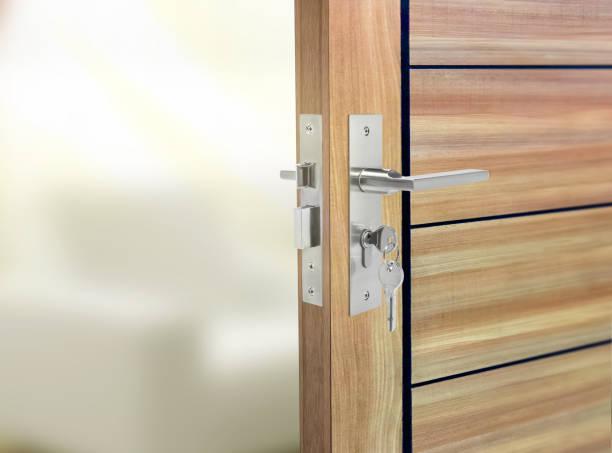
Mortise locks could go with all types of trims and levers; hence, they are not merely secure but are also customizable. Due to their multipoint locking mechanism that offers better security, these are among the most popular options for commercial mechanical door locks.
2. Cylindrical Locks
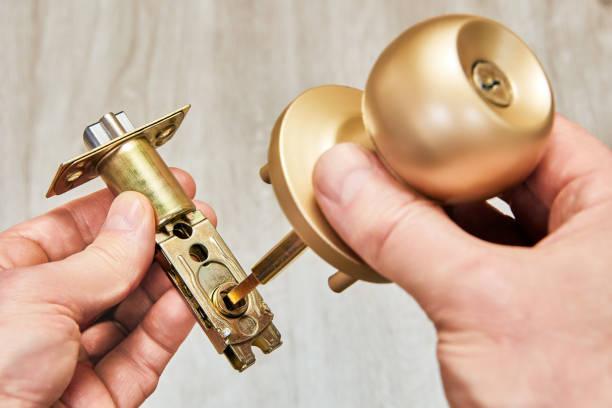
Probably the most common type of mechanical locks for doors installed in homes and small businesses, cylindrical locks pass through the face of the door, bearing either a keyed knob or keyless lever on one side and a latch on the other.
Their strength lies in their ease of use, looks, and replacement. They come in either single-cylinder or double-cylinder varieties, depending on the type of security needed. While these locks are not nearly as strong as a mortise lock and, therefore, less suited for high-security cases, they do a wonderful job of providing security for more modest settings like interior office doors and residential front entries.
Given the universal presence of the mechanical door lock system, various cylindrical locks offer easy-to-understand mechanisms and provide a solution when time is scarce for installation.
3. Mechanical Deadbolt Locks
The Mechanical deadbolt lock delivers strong protection with a strong metal bolt encased in the locking mechanism, and that bolt extends deep into the door frame, making it nearly impossible to pry open or force open. Mechanical deadbolts function solely through mechanical means, allowing operation using a key from the exterior and a thumb turn from the interior. They operate without the need for batteries or electrical wiring.
They are available in single and double-cylinder lock styles for both residential and commercial use. Mechanical deadbolt locks can secure entry doors, storage rooms, and side exits, and they are a fundamental part of any mechanical door lock system. Based on their strength (when compared to other locks like the spring bolt locks), simplicity, and reliability, mechanical deadbolt locks will always be the most common type of lock used as mechanical locks for doors.
4. Rim Cylinders
Rim cylinders are frequently utilized in surface-mounted locks. In contrast to mortise or cylindrical locks, rim cylinders are installed on the surface of the door instead of being set into it. The outside of the door includes a lock, whereas the inside consists of a latch mechanism.
One of the main benefits of rim cylinders is their versatility and the simplicity involved in replacing them. They are almost always installed on older doors and on wood-framed entryways where changes of physical structure are less likely.
Rim cylinders are an attractive purchase for consumers who use traditional key entry and want low-tech options for upgrades. Because of the compatibility of the mechanical deadbolt lock and other mechanical locks for doors, rim cylinders can be an inexpensive part of a mechanical door lock solution.
5. Mechanical Combination Door Locks
Mechanical combination door lock solutions offer keyless availability, but solid mechanical reliability. A mechanical open combination keypad or rotating dial replaces the physical attribute of the key, and you enter a code. After entering the correct code, the door unlocks because the internal mechanism releases the bolt latch or retaining device.
The mechanical push-button door lock, which can be occasionally adapted for use on sliding glass doors, is often used in office areas, gyms, classroom doors, some apartment complexes, and utility storage. In regards to security, keyless locked doors make sure potential unauthorized individuals will not have key duplicates.
Functional, durable, and weather-resistant, the mechanical keypad door lock can be used outdoors and indoors. With their tamperproof design and no batteries, they offer a secure, low-maintenance option for homeowners who want the function of modern electronic locks without the electronics.
From simple to secure, and everything in between, the right mechanical door lock makes all the difference — and we, EOS Secure, are here to help you choose with assurance.
Mechanical Door Locks or Electronic Locks
Whether you are building or buying a property, a major challenge you may encounter is selecting between mechanical door locks and electronic lock systems. While these locks offer defense primarily, their functionality, maintenance, and application vary significantly, making the choice of lock dependent on specific business or individual requirements.
Eos Secure Mechanical locks for doors are built with a more resistant system to cyber threats, without the use of any electronic software or component, yet providing efficiency for a long period. They do not use batteries or wiring to operate, which makes them suitable in areas with power interruptions. With their simple and sturdy design, these characteristics promote durability.
If you need a blend of regulated access and simplicity, mechanical combination door locks and mechanical push-button door locks are alternatives to consider. This tool uses keyless locking devices without the risk or insecurity that comes with electronic systems.
On the contrary, electronic locks depend on power (battery, electricity) to function. This dependence on technology may result in possible threats like hacking, software errors, or system crashes. Electronic locks provide convenience and easy access to their features, ensuring that users gain access via mobile phones, biometrics, or smart cards. It becomes a limitation for businesses or individuals with limited resources to maintain electronic systems.
Mechanical door locks are suitable for low-maintenance, affordability, and cyber-resilient security. Electronic door locks are suitable for remote access, access tracking, and integration with home or business automation systems.
Commercial facilities such as banks, fintech companies, and warehouses. Commercial mechanical door locks are usually recommended for entryways where durability and easy maintenance are important.
Similarly, mechanical deadbolt lock typically requires lower costs for set-up and maintenance, making them an affordable choice for home and business owners. They are easy to install and are built to withstand wear-and-tear, making them suitable for those prioritizing durability.
At Eos Secure, our hardware solutions are designed for stringent security, be it mechanical or electronic locks, and our team can help you assess the best options for your application.
How to Choose the Mechanical Locks for Home or Commercial Use
Deciding on the perfect mechanical locks for doors involves considering your door type, user preference, locale, and security needs. Here is a list of smart tips to guide homeowners and property administrators when making this decision:
Determine the Level of Security Needed
Understanding the level of protection your property requires is crucial in selecting the right lock. Storehouses, storage rooms, entry doors, or entrance gates generally require stronger locking mechanisms like mortise locks or mechanical deadbolt locks providing resistance to forced entry. Cylindrical or rim locks can be more compatible with low-risk zones or room doors.
Consider Who Needs Access
In selecting the perfect lock, take into consideration the people who will use the door and how often. Mechanical keypad door lock allows family members to gain quick access without being disturbed by lost keys. Mechanical push-button door locks can fit perfectly in rooms that require entry using a common code.
For areas that require restricted access without electronic setups, mechanical combination door locks are a suitable alternative. They provide security without using batteries.
Installation Requirements
Before purchasing your mechanical locks, check for the dimensions of the door, material compatibility, and door handles because lock types determine installation specifications. For example, mortise locks demand a deeper laceration into the door and are labor-intensive while installing. Rim cylinders or cylindrical locks are easier to install on existing doors.
Compliance with Standards and Safety
Business properties or some homeowners in specific locations may have to meet fire or safety codes and standards. In selecting your door locks, ensure that they comply with local laws. Eos Secure locks meet standards like EN1303 and SKG (European and Dutch Standards), assuring customers of quality, durability, and performance.
Environmental Factors
Materials like stainless steel or anti-corrosion coatings are perfect for locks that will be installed outside the building or in high-moisture environments. Eos Secure manufactures water-resistant mechanical door lock systems, specially for outdoor settings.
Budget and Quality
While you may desire to choose the least expensive locks, high-quality locks are a good investment that stands the test of time. Eos Secure offers budget-friendly locks with elite components, providing assurance at a reasonable price.
Need help choosing a perfect lock? Eos Secure experts are available to assist you every step of the way.
Conclusion
Getting the right door lock mechanical system or electronic option is essential and plays a vital role in creating a reliable, secure, organized environment. Our mechanical systems at Eos Secure are cost-friendly and easy to maintain, making them a top pick for homes and businesses. The innovations in design and materials in modern mechanical locks provide excellent performance and a unique style. At Eos Secure, we offer high-grade mechanical locking solutions, tested and trusted by residential and commercial sectors for over 14 years. We are committed to safety, customer satisfaction, and continuous innovations, ensuring that you find a lock that suits your needs. Explore various products at Eos Secure, and contact us for bespoke guidance and recommendations.