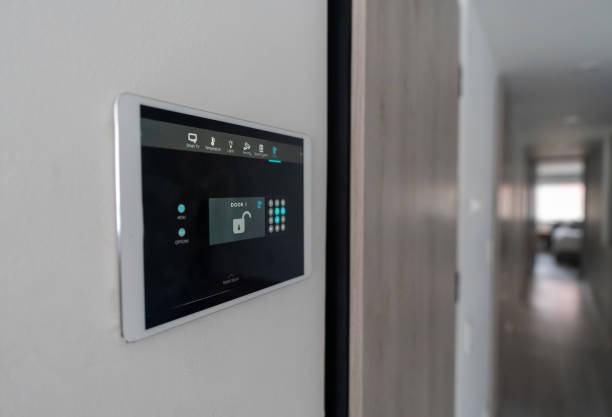
Smart lock cylinders are keyless entry systems that replace traditional locking cylinders with electronic or digital access control features. Typically, you can unlock them from your mobile device via Bluetooth or WiFi, with biometric scans and pin codes, and so on.
Since 2025 began, the smart lock industry has taken an upturn in terms of improved technologies that enhance security and convenience (IoT adoption) and the surging demand for smart lock solutions in many homes and businesses. Last year, the market projection for 2025 was estimated to reach a growth rate of over 25%, approximately USD 1.5 billion. Today, the numbers exceed that, indicating better performance than projected due to innovative technology.
The industry is a rapidly evolving one, and as such, here at EOS Secure, we stay on top of market trends and industry standards, bringing the most efficient solutions to meet our diverse clientele’s needs. To learn more about the changes the industry has experienced in 2025, read on.
Integration with Smart Home Ecosystems
Nowadays, most homes opt for smart door locks mainly for two reasons: the convenience of the keyless entry system and the confidence smart lock systems provide their users. With the swipe of your mobile device, you can grant access to whomever you choose. You can also track and log activities done in your home. To enjoy these user-friendly benefits, simply integrate your smart locks with home automation platforms like Alexa, Google Home, Apple HomeKit, or Matter, which even your kids can operate. Home automation systems work hand in hand with connectivity options like Bluetooth and WiFi, enabling users to get real-time notifications seamlessly.
Before choosing your smart lock, be sure to pick one that is compatible with other automation setups in your home. Manufacturers put out a list of platforms their products can work with, so check that before making a purchase. For personalized security features, use setups like Google Home or Alexa that employ voice recognition features in authentication procedures to level up security in your home.
Emerging Security Technologies Enhancing Smart Lock Systems
Enhanced security features are another trend that keeps the world of smart solutions as fast-paced as ever. Why? Everyone wants their homes and offices safe and secure. The global biometric door lock market has been estimated to take a leap of 17.4% in Compound Annual Growth Rate (CAGR) from 2025 to 2031, largely due to security issues with smart locks, particularlyrising regulations in data security, technological advancements, and growing preference for biometric access features in many smart lock for home security and IoT technologies. Security systems with smart locks incorporate biometric authentication features as the primary mode of access control. This could be achieved by documenting fingerprint patterns, facial recognition, or iris scans of the user/users. Emerging trends in this technology include:
- Integration with Home Systems: Biometric authentication features like voice commands make it easy for many homeowners to integrate their smart locks with platforms like Alexa and Google Home. It makes coordination and monitoring easier and more convenient.
- Multi-Modal Biometric Systems: To level up security and manage accuracy hitches, biometric locks have evolved to accommodate several biometric modalities. User-friendliness has also been factored in, allowing users to employ different scans on a single device. Common applications include smart locks for security screen doors and smart door locks eufy security.
- No-contact Biometric Demand: The COVID pandemic led to a new era in smart locks security. Contactless biometric features such as iris scans and facial recognition are now popular in government facilities and enterprises requiring high-level security and minimal personnel contact to safeguard health.
Improving User Experience in Smart Locks
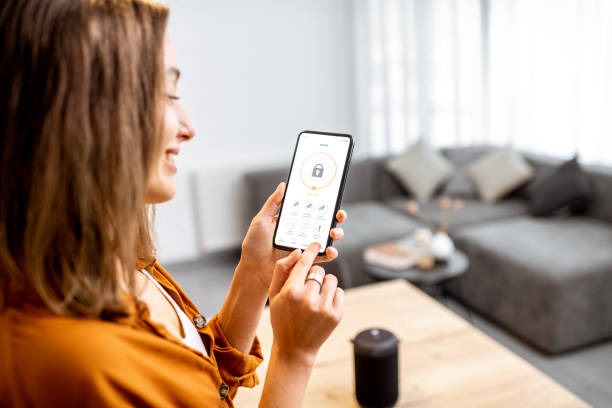
Smart locks are designed to be controlled on mobile devices like phones and tablets through various apps, affording users increased security, convenience, and accessibility from any part of the world. Ultra-Wideband (UWB) technology is another feature adopted in smart lock systems to improve user experience. Smart locks built on UWB are more precise and secure compared to other technologies like Bluetooth and WiFi, which rely on Received Signal Strength Indicator (RSSI), known for its susceptibility to interference. Here, short radio pulses with a broad frequency band (from 3.1GHz to 10.6GHz) measure and transmit the precise location of an approaching user before unlocking the doors. This method is completely hands-free, energy-efficient, and prevents scheduled attacks. The location tracking, direction, and side detection features in UWB technology make the lock open to only approaching users and not passersby.
In the event that connectivity hitches arise, the best smart door locks usually have a backup feature to manage access in the interim. The traditional key is reserved for such purposes. Thus, backup features are incorporated in smart lock designs to elevate user experience.
Improved Global Compliance and Standards for Smart Locks
At EOS Secure, our smart lock solutions are crafted in compliance with different international standards, making our products relevant across the globe and in diverse applications. Factors such as regional security standards and cultural preferences are considered before production. Typically, smart door systems comply with the following international certifications:
- Matter and Aliro Protocol: Matter and Aliro Protocol focus on interoperability. The smart lock must be designed for easy integration into existing smart home ecosystems and compatible with mobile apps and other platforms that enhance user-friendly experiences.
- Aliro Smart Lock Standard: Aliro standards for smart locking solutions involve the Connectivity Standard Alliance (CSA), which incorporates the Matter protocol alongside UWB technology to enhance connectivity to gadgets and remote access. Both Matter and Aliro standards certify interoperability of smart solutions.
- BSI Kitemark Certification: Smart locks with the BSI Kitemark have been tested in approved BSI laboratories and certified to meet relevant security guidelines and hardware standards. The certification also connotes that the lock system in question has been tested against top global IoT threats. The Kitemark boosts clients’ confidence and thereby gives many brands a competitive edge in global markets.
- FIPS 140-2: FIPS (Federal Information Processing Standard) 140-2 is a standard that applies to cloud computing in the US and Canadian governments as well as vendors that supply these regions. It ascertains the effectiveness of cryptographic hardware for data encryption. FIPS 140-2 validated smart solutions offer reliable security due to the strong authentication requirements before data can be accessed.
Energy-Efficient and Sustainable Smart Lock Manufacturing
In compliance with environmental and industry standards, smart door locks in homes and other infrastructures are designed to be environmentally friendly. More energy-efficient components have been developed and adopted to reduce power consumption and operating costs. The use of solar energy harvesters and other renewable energy technologies as the power source of smart locking systems minimizes the use of disposable batteries that pose health hazards and environmental contamination. Beyond compliance with regulatory standards, the demand for more energy-efficient and sustainable smart home solutions has increased significantly in the past decade. Thus, manufacturers are obliged to focus on sustainability matters in smart locks and eco-friendliness.
Enhanced Connectivity and Remote Control for Smart Locks
Enhanced connectivity and remote access are notable trends in the smart security systems market. Smart locks are seamlessly integrated with home automation settings and operated remotely via connectivity technologies like Bluetooth and WiFi employed in Bluetooth padlocks and WiFi padlocks, respectively, depending on consumer preferences and distance from the locks. There has been a shift from Bluetooth and WiFi to UWB to address issues with distance, susceptibility to relay attacks, and other vulnerabilities associated with older wireless technologies. Ultra-Wideband technology employs short pulses of radio waves to measure the precise location of an approaching user before unlocking the doors. Remote access is also an added feature with smart locking systems. The best smart locks are those with dual connectivity features enabling flexibility in access control.
Advanced Design and Customization Features
Smart lock cylinders are more flexible when compared to their mechanical counterparts in terms of design features and easy customization for diverse applications, incorporating even the tiniest security detail. Nowadays, smart lock designs blend in with the overall aesthetics of the home or facility and also possess the all-in-one feature, incorporating access logs or tracking systems like cameras, with biometric lock systems and an exterior that resembles the traditional door lock.
Multiple access methods can be personalized based on user preference. For example, biometric scans can be used in conjunction with keypad entry codes and traditional backup key overrides in the case of emergencies or malfunction of the smart lock. Access schedules can also be customized to allow more people in the case of parties or other temporary activity in your facility. In such instances, activity can be logged and monitored with the tracking system to ensure uncompromised safety.
Increased Focus on Privacy and Data Protection
A downside to the use of connectivity technologies is the possibility of data theft. With smart locking systems, data sharing options and access logs can be regulated and better managed with enhanced encryption and user-controlled privacy options. These smart lock features give users more control over their privacy settings and confidence in their security systems. The option of regular firmware updates in the smart lock software also helps fend off vulnerabilities associated with data leakage or theft. From time to time, users receive notifications on the latest updates for their smart home solutions. The update process is hassle-free, enhancing user experience. Security alerts are an added feature in the face of a breach. Two-factor authentication and auto-lock feature availability must be considered when selecting the best smart lock solution for your facility or home.
Conclusion
In an evolving world of security systems, it is advisable to stay abreast of the latest trends in the smart lock industry to maintain optimal safety of lives and property if you are a homeowner, and to improve user experience in your facility as a business owner . The latest trends in 2025 are summarized below:
- Enhanced connectivity and remote control
- More energy-efficient and sustainable manufacturing
- Focus on data sharing and privacy
- Modular designs and improved customization options
- Global compliance
- Overall improved user experience
Are you looking for a smart locks with remote access’ manufacturer that incorporates all of these trends and adheres to strict international certifications and global industry standards? EOS Secure is your best bet.EOS Secure is a top Chinese lock systems manufacturer that prides itself on over a decade of experience in designing efficient lock systems, from traditional and mechanical lock systems to electronic and digital locks. At EOS Secure, we offer ultra-modern smart doors at competitive prices, keeping our clients safe and happy with their purchases. Contact EOS Secure today for the best deals.