Sliding doors are widely used in homes, offices, and commercial storefronts because they save space and allow natural light. However, their design also makes them more vulnerable if the locking system is weak.
Security reports often show that patio and sliding doors are common entry points during break-ins. Many of these incidents occur because factory-installed locks rely on basic mechanisms that offer limited protection.
The lock cylinder is the component that ultimately controls whether a sliding door lock can resist intrusion. Understanding how it works helps property owners choose better security solutions.
Why Sliding Doors Need Stronger Security
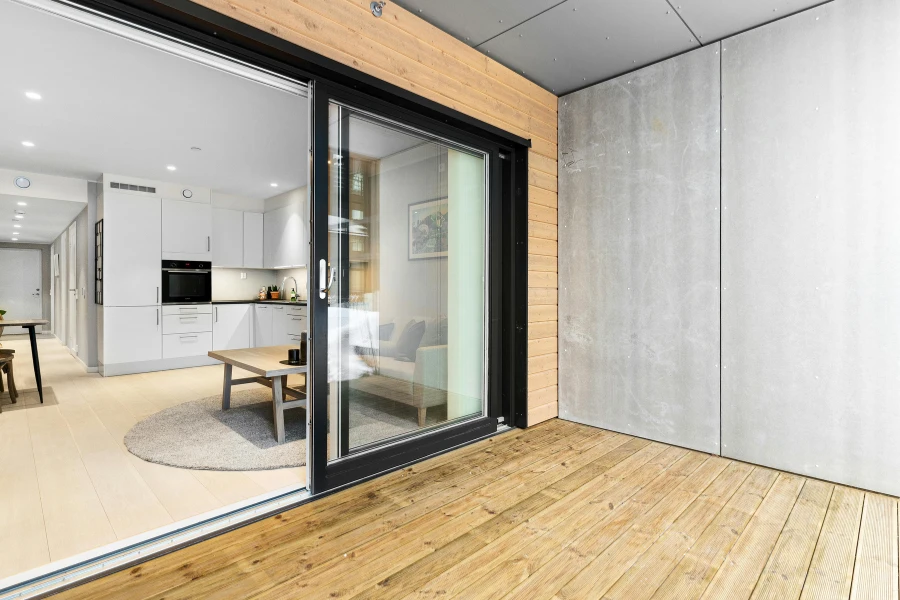
Sliding doors operate differently from traditional hinged doors. They move along tracks using rollers and often rely on simple latch systems.
This design creates several potential security risks.
Common sliding door vulnerabilities include
- Doors can sometimes be lifted off their tracks if the locking system is weak
- Factory-installed latch locks often provide limited resistance to forced entry
- Large glass panels expose the locking area to manipulation
- Low-quality cylinders may be vulnerable to picking or mechanical damage
For many properties, improving the lock cylinder is the most practical way to strengthen sliding door security.
What Is a Sliding Door Lock Cylinder
A sliding door lock cylinder is the mechanical core of the locking system. It is responsible for verifying the key and allowing the lock mechanism to operate.
Inside the cylinder are precision components that respond to the shape of the key. When the correct key is inserted and turned, the cylinder rotates and activates the lock body.
In sliding doors, the cylinder typically connects to a mortise lock or similar internal mechanism. When it rotates, it moves a hook bolt or latch that secures the sliding panel to the frame.
If the cylinder fails or is compromised, the entire lock system becomes ineffective.
Key Parts Inside a Sliding Door Lock Cylinder
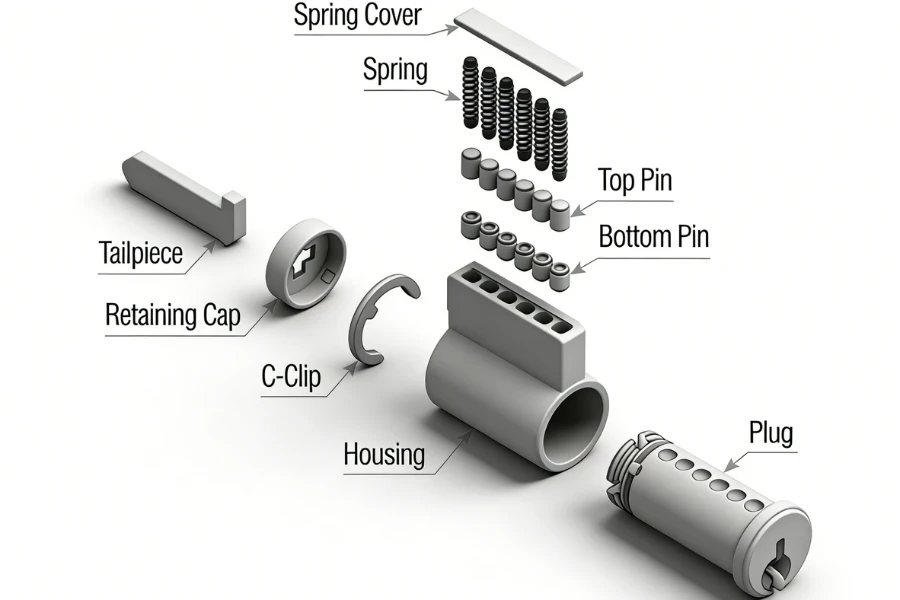
A sliding door lock cylinder contains several precision components that control access.
Keyway
The keyway is the slot where the key is inserted. Its profile ensures that only compatible keys can enter and operate the cylinder.
Pins
Most mechanical cylinders use a pin tumbler system. The correct key lifts each pin to a precise height, allowing the cylinder to rotate.
Springs
Springs push the pins back into position when the key is removed. This resets the locking mechanism and prevents unauthorized rotation.
Bolt or Latch
The bolt or hook latch is the component that actually secures the door. When the cylinder rotates, it activates the lock body and moves this element into position.
Cylinder Housing
The housing protects the internal components and keeps them aligned. Strong materials help resist drilling, twisting, or physical attacks.
How a Sliding Door Lock Cylinder Works
A lock cylinder operates through precise mechanical alignment.
- The key enters the keyway
- The key lifts each internal pin
- All pins align at the shear line
- The cylinder can rotate
- Rotation activates the locking bolt
If the wrong key is used, the pins remain misaligned and the cylinder cannot rotate.
This simple mechanical principle is what allows a lock cylinder to control access reliably.
Types of Sliding Door Lock Cylinders
Different sliding door systems may use different types of cylinders depending on their design and security requirements.
Single Cylinder
Single cylinders use a key on the exterior side and a thumb turn or handle on the interior. They are commonly used in residential sliding doors where quick exit is important.
Double Cylinder
Double cylinders require a key on both sides of the door. They are often installed when sliding doors include large glass panels, preventing someone from breaking the glass and unlocking the door from inside.
Smart Cylinders
Smart cylinders integrate electronic access technologies such as Bluetooth credentials, mobile control, or keypad entry.
For businesses, these systems can support keyless entry and flexible access management without replacing the entire door lock.
Lock Cylinder Designs Used in Sliding Doors
Different sliding door lock bodies require specific cylinder designs.
Euro Cylinder
Euro cylinders follow standardized dimensions and are widely used in modern locking systems. They are commonly integrated with multipoint locks used in residential and commercial sliding doors.
Mortise Cylinder
Mortise cylinders are installed inside embedded lock bodies within the door frame. They are often found in commercial door hardware or older sliding door systems.
Track Lock Cylinders
Some sliding door systems use track-mounted locks that secure the door within the rail. These designs may use a cylinder to control a locking pin inside the track.
Selecting the correct cylinder type ensures compatibility with the door hardware and locking mechanism.
Why the Lock Cylinder Is Critical for Sliding Door Security
Although handles and lock bodies are visible components, the cylinder determines whether a lock can resist intrusion.
A high-quality cylinder strengthens security in several ways.
Controlled access
Only authorized keys can align the internal mechanism and operate the lock.
Resistance to technical attacks
High-security cylinders may include
- anti-pick pin configurations
- bump-resistant internal structures
- hardened inserts that resist drilling
Improved durability
Reinforced materials help protect the cylinder from twisting or physical damage.
Cost-effective upgrades
Replacing the cylinder can often improve security without replacing the entire door lock.
For property managers and business owners, this approach offers an efficient way to strengthen entry security.
How to Choose the Right Sliding Door Lock Cylinder
Choosing the right cylinder depends on the door type and security needs.
Material strength
Look for cylinders made from brass, stainless steel, or hardened steel components that resist wear and forced entry.
Security certifications
International standards such as EN1303 or SKG indicate tested resistance to common attack methods.
Usage environment
Different locations require different levels of protection.
Examples include
- exterior patio doors requiring high-security cylinders
- office sliding partitions requiring reliable access control
- rental properties benefiting from rekeyable or smart cylinders
Hardware compatibility
Cylinder length and mounting design must match the sliding door lock body.
A professional locksmith or security supplier can help confirm compatibility.
Maintenance Tips for Sliding Door Lock Cylinders
Proper maintenance helps ensure reliable long-term performance.
Keep the keyway clean
Dust and debris can accumulate over time and affect key movement.
Use correct lubrication
Graphite powder or lock-specific lubricant helps maintain smooth cylinder rotation.
Replace worn keys
Bent or worn keys can damage internal pins and shorten cylinder life.
Inspect early warning signs
If the key becomes difficult to turn, the cylinder should be inspected before failure occurs.
Where Sliding Door Lock Cylinders Are Used
Sliding door lock cylinders are used across many property types.
Residential properties
Patio doors, balcony doors, and backyard entrances benefit from stronger cylinders.
Retail storefronts
Many shops use sliding glass doors for entrances. Reliable cylinders help secure the premises after business hours.
Office environments
Glass sliding partitions are common in modern offices. Cylinders ensure controlled access to meeting rooms or restricted areas.
Short-term rental properties
Smart cylinders allow property owners to manage guest access without distributing physical keys.
Selecting the appropriate cylinder improves both security and operational convenience.
Final Thoughts on Sliding Door Security
Sliding doors provide convenience and architectural flexibility, but they also require reliable locking systems. Because the lock cylinder controls the locking mechanism, its quality directly affects overall door security.
Upgrading to a stronger sliding door lock cylinder can significantly improve protection while maintaining the existing door hardware.
For property owners, this upgrade often represents the most efficient step toward stronger entry security.
EOS SECURE delivers precision-engineered mechanical and electronic lock cylinders backed by more than a decade of manufacturing expertise. Established in 2011, our factory operates under ISO9001 and ISO14001 certifications, ensuring every product meets rigorous international standards including EN1303 and SKG. With over 50 advanced Swiss-type CNC automatic lathes and integrated machining centers, we manufacture high-quality lock cylinders trusted by clients across industries worldwide. Whether you need small-batch customization or large-scale production, EOS SECURE provides reliable performance, consistent quality, and dependable technical support. Explore EOS SECURE solutions to strengthen your sliding door security.