
A Practical, Step-by-Step Guide for Offices and Workspaces
File cabinets play a critical role in protecting important documents in offices and home workspaces. When a key is lost or a lock fails, access delays and security concerns quickly follow. Many people assume replacing a cabinet lock requires a locksmith, but with the right approach and tools, it’s often possible to handle the replacement safely and efficiently.
As a manufacturer focused on precision lock cylinders and mechanical and electronic locking systems, EOS SECURE understands how reliable locking hardware supports long-term security and daily operations. This guide explains how to regain access in urgent situations and how to choose durable replacement locks that help prevent future disruptions.
Identify the Lock First – File Cabinet Lock Types and Basic Mechanics
Identifying the type of lock you’re dealing with is the first step toward a successful replacement.
Common File Cabinet Lock Types Used in Offices
Cam locks
The most common option. Turning the key rotates an internal cam that engages or releases the locking mechanism.
Pop-out locks
These locks use a spring-loaded design. When unlocked, the cylinder partially protrudes from the drawer face. Internally, they operate similarly to standard pin tumbler locks.
How File Cabinet Locks Actually Work
Most file cabinet locks use a pin tumbler cylinder. The correct key lifts each pin to a precise height, allowing the cylinder to rotate. Once the cylinder turns, the cam or latch disengages and the drawer opens.
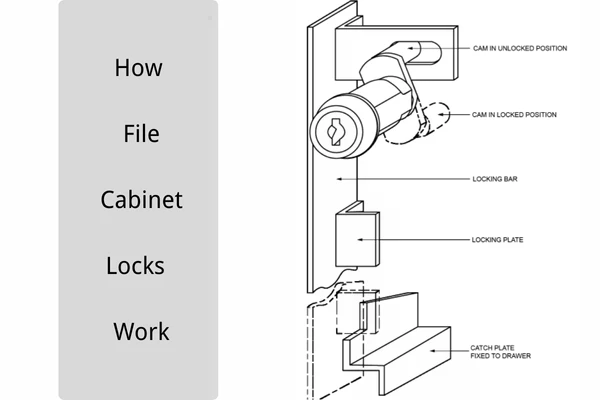
Understanding this basic mechanism helps explain why certain removal and replacement steps work and why careful handling matters.
Regaining Access Without a Key – Opening the Cabinet Safely
Before replacing the lock, you may need to open the cabinet to retrieve documents or reach internal hardware. The approaches below are provided to explain how low-security cabinet locks function in urgent situations.
Only attempt access on cabinets you own or are authorized to open. Improper handling can permanently damage the lock or cabinet and may create security risks.
Method A – Understanding How Basic File Cabinet Locks May Be Opened
Some low-security file cabinet locks can be disengaged by applying controlled rotational pressure while internal pins align. This works only on basic pin tumbler cam locks and requires patience and precision.
Excessive force, rushed handling, or improper tools can bend internal pins or springs. Once damaged, the lock may no longer be removable without drilling. This description is intended for general understanding rather than step-by-step instruction.
Method B – Releasing a Pop-Out File Cabinet Lock
Pop-out file cabinet locks use a spring-loaded cylinder. When internal components align correctly, the cylinder may partially extend and allow drawer access.
Because spring mechanisms are sensitive, improper manipulation can damage the retaining system or cabinet face. These locks are designed for controlled operation with a key, not repeated manual manipulation.
These approaches are suitable only for urgent access and should not be considered a replacement for proper lock repair or replacement.
How to Replace a File Cabinet Lock Without a Key – Step by Step
If the lock is damaged or you want to restore security properly, replacing the lock is the responsible next step.
Tools Required for File Cabinet Lock Replacement
- Flathead screwdriver
- Pliers or adjustable wrench
- Replacement file cabinet lock with matching dimensions
- Measuring tape
- Drill, used only if removal methods fail
Prepare the Cabinet for Lock Replacement
Empty the drawer completely to avoid damaging files.
Locate the lock, usually centered on the drawer face or near the top panel.
Removing the Old File Cabinet Lock Without a Key
If the existing lock cannot be operated with a key, removal should be handled carefully to avoid damaging the cabinet structure.
Prying method
In some cases, lightly loosening the lock collar from the cabinet surface may allow the cylinder to be removed. This should be done cautiously and stopped immediately if resistance increases, as excessive force can deform the mounting hole.
Rotation method
If the cylinder housing is accessible, controlled rotation may help disengage the retaining nut or clip. This approach requires steady pressure and should only be attempted if the lock assembly is already compromised.
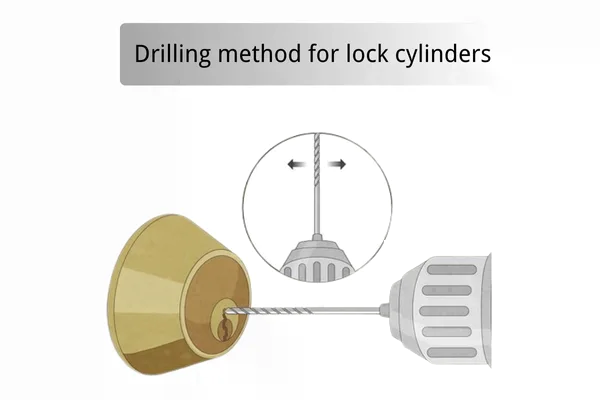
Drilling method – last resort
Drilling through the center of the lock cylinder permanently destroys the internal mechanism and may damage the cabinet if alignment is incorrect.
This method should be considered only when all other removal options fail and when cabinet integrity is no longer a concern. If the cabinet begins to deform or the drill path shifts, stop immediately and seek professional assistance.
Installing the New File Cabinet Lock Correctly
Measure the old lock’s diameter and length to confirm compatibility.
Insert the new cylinder through the drawer face.
Secure it from the inside using the supplied nut or clip.
Tighten firmly so the cylinder does not rotate when the key turns.
Test the Lock Before Returning Files
Test the lock multiple times with the new key. Confirm smooth operation before returning files to the cabinet.
How to Choose a Durable Replacement File Cabinet Lock
Replacing a lock is also an opportunity to improve long-term security and reliability.
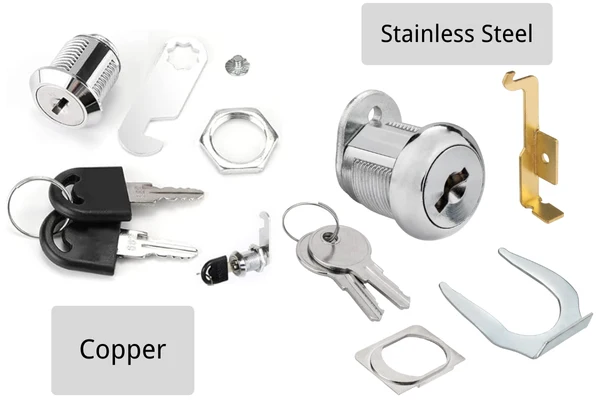
Select Lock Materials Designed for Frequent Use
Locks made from brass or stainless steel resist corrosion and wear, especially in offices with frequent daily use.
Why Manufacturing Precision Affects Lock Performance
High-precision lock cylinders offer smoother operation, more consistent pin alignment, and reduced failure over time. Manufacturers specializing in mechanical and electronic locking systems typically design products for repeated use and structured access management rather than short-term fixes.
Confirm Fit, Support, and Warranty Coverage
Confirm the lock matches your cabinet design and ask about warranty coverage. Reliable suppliers support their products and provide guidance when replacements or adjustments are needed.
Built for Long-Term Security and Reliable Access
EOS SECURE delivers precision-engineered mechanical and electronic lock cylinders backed by more than a decade of manufacturing expertise. Established in 2011, our factory operates under ISO9001 and ISO14001 certifications, ensuring every product meets rigorous international standards including EN1303 and SKG.
With over 50 advanced Swiss-type CNC automatic lathes and integrated machining centers, EOS SECURE manufactures high-quality lock cylinders trusted by clients across industries worldwide. Whether supporting small-batch customization or large-scale production, our solutions are built for consistent performance, long-term stability, and dependable technical support.
FAQ
Can I replace a file cabinet lock myself, or do I need a locksmith?
Yes. With basic tools and careful handling, most standard file cabinet locks can be replaced without professional help. This approach works well for common cam locks and pop-out locks. If the lock is high-security, severely damaged, or removal attempts fail, contacting a locksmith is the safer and more efficient choice.
What if the old lock will not come out?
If prying and rotation methods fail, drilling the lock cylinder may be the final removal option. This method destroys the internal mechanism and may damage the cabinet if done improperly. If cabinet deformation or mounting damage occurs, stop immediately and seek professional assistance.
How do I make sure I buy the correct replacement lock?
Measure the existing lock cylinder’s diameter and length carefully before purchasing. These dimensions must match precisely for proper installation and operation. When in doubt, provide the measurements to the supplier or manufacturer to confirm compatibility.
Will using a paperclip damage the lock?
Light, controlled manipulation on basic cabinet locks may not cause immediate damage. However, improper force or repeated attempts can bend internal pins or springs, making removal and replacement more difficult. These methods should be reserved for urgent access only.
How can I avoid losing keys again?
Create two or three spare keys immediately after installing a new lock. Store one with a trusted colleague or family member and keep another in a secure, separate location. This reduces access disruptions and emergency lock removal.
Can lubricant help with a stuck lock?
Yes. Graphite powder or lock-specific lubricants can reduce friction caused by dust or light corrosion. Apply sparingly and allow it to settle before testing the lock. Avoid oil-based sprays, which attract debris and affect long-term performance.
Final Thoughts – Restoring Access While Improving Security
Losing a file cabinet key or dealing with a failed lock can disrupt workflow and raise security concerns. By understanding how cabinet locks work and following a structured replacement process, access can be restored responsibly.
Long-term security depends on correct installation and selecting well-engineered lock cylinders designed for durability and consistent performance. If a DIY approach becomes uncertain, seeking professional assistance is always the right decision. Secure access protects both your documents and daily operations.