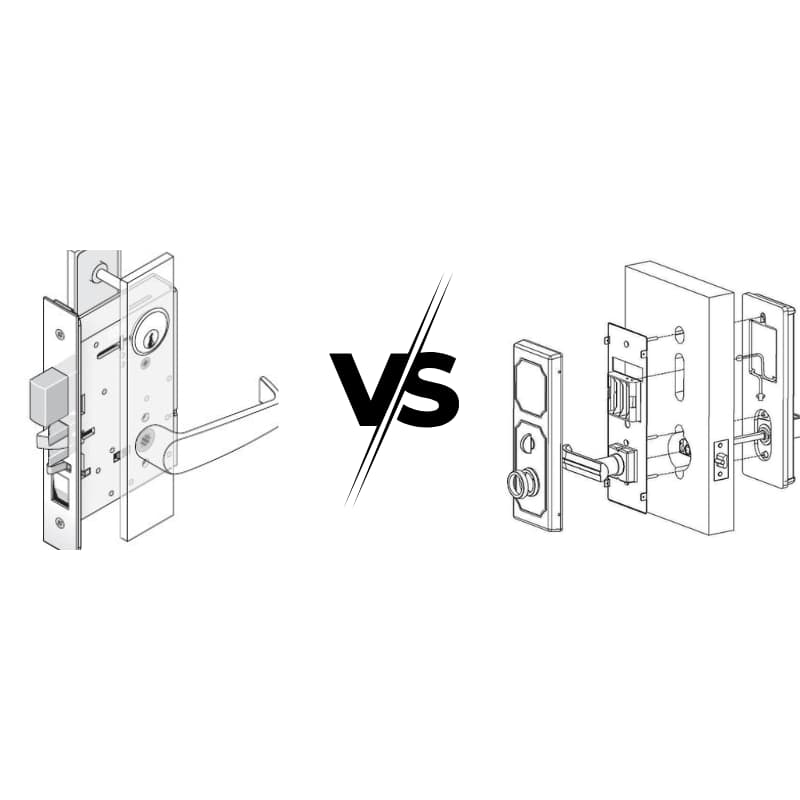
Introduction
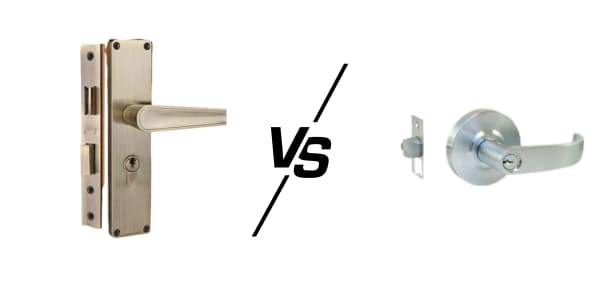
Choosing the right lock influences safety, daily operations, and long term performance. Mortise locks and cylindrical locks are two of the most common options for offices, retail stores, residential buildings, and commercial facilities. They look similar from the outside, but their internal structure and installation methods differ in ways that affect security and durability.
Understanding how each system works helps you match the lock type to your door construction, traffic level, and security priorities. This guide explains the key differences so you can make a confident decision for your building.
Understanding the Two Lock Types
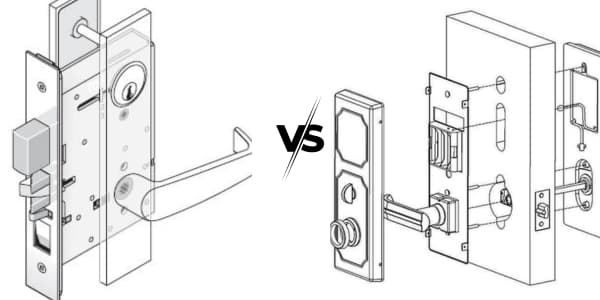
What Is a Mortise Lock
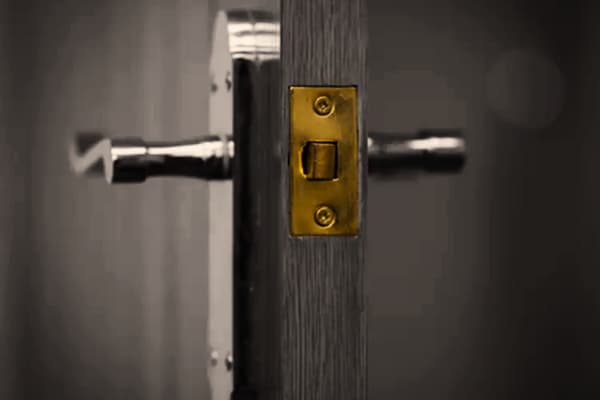
A mortise lock fits inside a pocket cut into the edge of the door. Only the trim and faceplate remain visible, and the lock body stays fully recessed inside the door.
Key characteristics
- A solid lock body with a reinforced internal mechanism
- Integrated latch and deadbolt for stronger protection
- High resistance to prying and impact
- A flush, architectural appearance
Mortise locks are common on main entrances in hotels, offices, and multi unit buildings where reliability and structural strength matter.
What Is a Cylindrical Lock
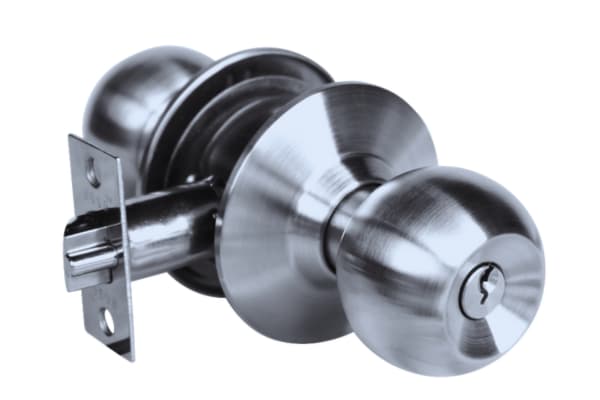
A cylindrical lock installs through a standardized hole in the door face. The chassis connects directly to the latch bolt, which makes installation quick and consistent across many doors.
Key characteristics
- Simple and familiar mechanical layout
- Fast installation and easy replacement
- Works with most interior and residential doors
- Can pair with a separate deadbolt if added security is needed
Cylindrical locks are often used in offices, apartments, and interior commercial rooms where convenience and speed are priorities.
Key Differences Between Mortise and Cylindrical Locks
Security Performance
A mortise lock provides stronger structural protection because the lock body is anchored inside the door. The internal deadbolt and reinforced components resist force, which supports high risk or high traffic entry points such as storefronts, clinics, or server rooms.
A cylindrical lock offers reliable protection for homes and light commercial use. Grade 1 cylindrical locks improve resistance for busier environments, but many facilities add a separate deadbolt to match the strength of a mortise system.
Durability Over Time
Mortise locks are engineered for long service life. They maintain smooth operation even when a door is used hundreds of times a day, which benefits hotels, hospitals, schools, and large offices.
Cylindrical locks hold up well in moderate traffic areas such as private offices or residential units. Grade 1 models extend durability but still wear faster than mortise locks under heavy use.
Installation Requirements
Mortise installation requires precise cutting and is best handled by trained technicians. Solid wood or metal doors provide the stability needed to support the lock body.
Cylindrical locks install quickly using standard bore holes. Property managers can replace them with minimal downtime, which is helpful for rentals, office moves, or tenant turnover.
Cost Considerations
A mortise lock has a higher upfront cost because of its construction and installation needs. Its longer lifespan often reduces replacement cycles for buildings with heavy daily traffic.
A cylindrical lock is more economical at the start. It supports quick installs across many doors, making it suitable for budget driven projects and facilities with frequent rekeying needs.
Function and Design Flexibility
Mortise locks offer multiple built in functions, such as passage, privacy, classroom, and storeroom modes. This flexibility allows consistent hardware across large buildings.
Cylindrical locks provide wide trim and lever options. While they offer fewer integrated functions than mortise systems, they fit the needs of most offices, homes, and retail spaces.
Door Compatibility
Mortise locks require a solid and adequately thick door. Hollow core or thin doors cannot support the cutout needed for mortise preparation.
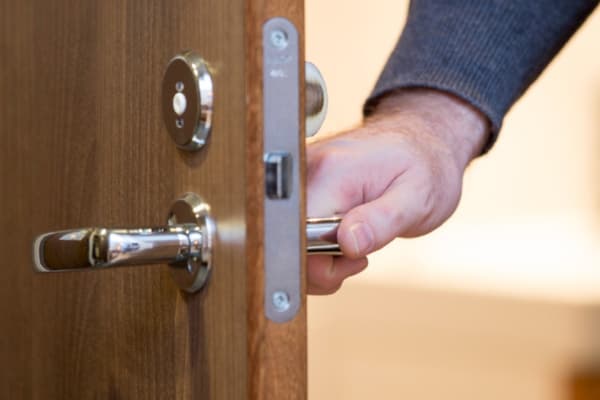
Cylindrical locks work on most standard residential and commercial doors, which makes them ideal for renovations or mixed door inventories.
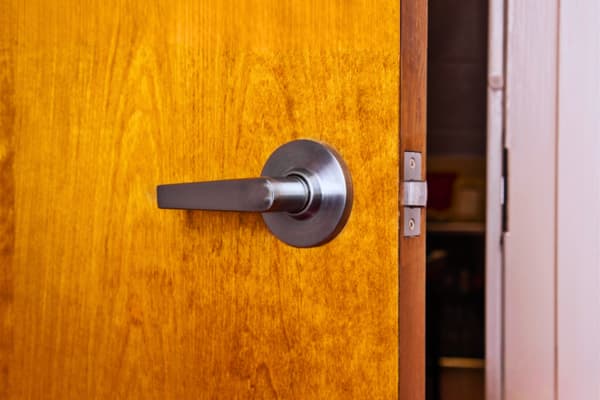
Maintenance and Replacement Needs
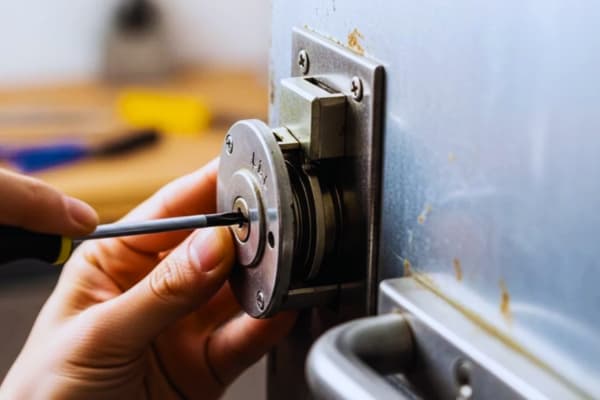
Mortise locks require more technical skill during repairs or rekeying because of their internal complexity.
Cylindrical locks allow quick cylinder swaps and fast hardware changes. This benefits coworking spaces, multifamily buildings, and any property where access credentials change often.
How to Choose the Right Lock for Your FacilityWhen a Mortise Lock Is the Better Choice
Choose a mortise lock when:
- Security is a priority for exterior or high risk openings
- Doors experience frequent use throughout the day
- You want long term durability and fewer replacements
- The door is solid and able to support mortise preparation
- You prefer a clean, recessed appearance
- You plan for long term value rather than lowest initial cost
A mortise lock works well for storefront entries, commercial lobbies, hotel corridors, and secure utility rooms.
When a Cylindrical Lock Makes More Sense
Choose a cylindrical lock when:
- You need quick installation or a simple replacement
- The area has lower security requirements
- You are working with interior or mixed door types
- You need an economical option across many doors
- Rekeying or hardware changes happen often
- You prefer modern trim styles
Cylindrical locks are practical for offices, meeting rooms, apartment interiors, and residential entry doors.
Frequently Asked Questions
Q1. Are mortise locks always more secure than cylindrical locks?
Mortise locks offer stronger structural protection because the lock body sits inside the door and includes an integrated deadbolt. High grade cylindrical locks still provide solid security for commercial spaces with lighter traffic.
Q2. Can I upgrade a cylindrical lock to a mortise lock?
It is possible if the door is solid and can support a mortise pocket. Thin or hollow doors may weaken during preparation, so a technician should confirm door compatibility.
Q3. Do both lock types have ANSI or BHMA grades?
Yes. Cylindrical locks are available in Grades 1, 2, and 3. Mortise locks typically meet or exceed Grade 1 due to their reinforced construction.
Q4. Why are mortise locks unsuitable for hollow or thin doors?
Cutting a mortise pocket removes door material. Hollow or thin doors cannot support this cutout without losing stability.
Q5. Can both lock types support smart or electronic access?
Yes. Many models integrate with PIN access, mobile credentials, and cloud based management. Compatibility depends on the specific hardware.
Q6. Which lock type is easier to maintain?
Cylindrical locks are simpler to service because their components are standardized and easy to access. Mortise locks require more technical handling during repairs.
Q7. Can a building use both lock types?
Yes. Many facilities pair mortise locks on main entrances with cylindrical locks on interior spaces to balance security, cost, and flexibility.
Conclusion
Both lock types support dependable security, but they serve different needs. Mortise locks deliver stronger construction, long term durability, and integrated functions for high traffic or high risk openings. Cylindrical locks offer fast installation, lower upfront cost, and broad compatibility for interior or moderate use areas.
Choosing the right lock strengthens both security and operational efficiency across your property.
About EOS SECURE
EOS SECURE delivers precision engineered mechanical and electronic lock cylinders supported by more than a decade of manufacturing expertise. Our facility operates under ISO9001 and ISO14001 certifications, and our products meet international standards such as EN1303 and SKG. With advanced Swiss type CNC machinery and integrated machining centers, we manufacture reliable lock cylinders trusted worldwide. Whether you need small batch customization or large scale production, EOS SECURE provides consistent performance and dependable support. Strengthen your business with solutions designed for long term stability — contact us today.