Choosing the right lock for your door is crucial for ensuring security, functionality, and aesthetic appeal. Among the various types of door locks available, mortise locks and cylindrical locks are two of the most common options used in both residential and commercial settings. Understanding the differences between these locking mechanisms is essential for making an informed decision that aligns with your specific needs, whether you’re securing a home, office, or industrial facility. This comprehensive guide will explore the features, advantages, and disadvantages of each lock type, providing you with the knowledge needed to select the perfect lock for any application.
What is a Mortise Lock?
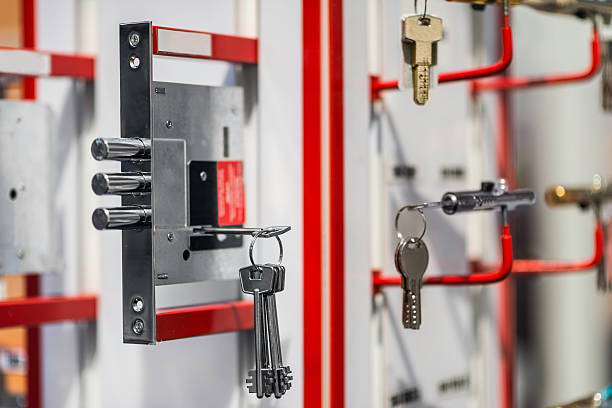
A mortise lock is a type of lock that is installed into a pocket (called a mortise) cut into the edge of a door. This design embeds the locking mechanism within the door itself, creating a seamless and integrated security solution. Mortise locks typically consist of several key components: a lock body that houses the mechanism, a latch bolt for basic closure, and often a deadbolt for enhanced security. The external hardware usually includes a lever or knob for operating the latch, and a key cylinder for locking and unlocking.
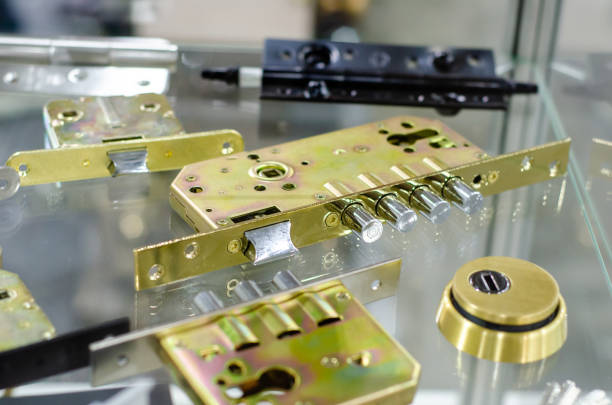
Historically, mortise locks have been used since the 18th century and were initially found only in formal rooms of expensive homes. Today, they are widely used in commercial buildings, hotels, and upmarket residential construction due to their robust security features and durability. The installation process for mortise locks is more complex than for cylindrical locks, as it requires precise cutting of the mortise pocket in the door edge. However, this integrated design provides superior strength and a clean, architectural appearance that many property owners prefer.
Pros and Cons of Mortise Locks
Pros
- Enhanced Security: Mortise locks offer superior protection against forced entry due to their robust construction. The internal mechanism often includes both a latch and a deadbolt, providing multiple layers of security. Their design makes them significantly more difficult to tamper with or pick compared to standard cylindrical locks.
- Durability and Longevity: Constructed from heavy-duty materials such as solid steel or brass, mortise locks are built to withstand decades of heavy use. They typically achieve Grade 1 ratings according to ANSI/BHMA standards, indicating the highest level of durability and cycle testing (800,000+ cycles). This makes them ideal for high-traffic commercial environments.
- Aesthetic Appeal: Mortise locks offer a premium, architectural appearance that enhances the overall look of doors. They accommodate a wider variety of decorative trim options, including lever sets, knobs, and escutcheon plates, allowing for greater design flexibility to match various architectural styles.
- Smooth Operation: The internal mechanism of mortise locks provides a solid, smooth feel when operating. The weighted components and precision engineering result in a satisfying user experience that conveys quality and reliability with every use.
Cons
- Complex Installation: Installing a mortise lock requires precise cutting of a pocket into the door edge, which demands specialized tools and expertise. This process is more time-consuming and labor-intensive than installing cylindrical locks, often necessitating professional installation.
- Higher Cost: Mortise locks are generally more expensive than cylindrical locks, both in terms of hardware cost and installation expenses. The complex mechanism and heavier materials contribute to the higher price point, making them a more significant investment upfront.
- Door Limitations: The mortise installation requires a certain door thickness and structural integrity. They are not suitable for hollow-core doors or doors with insufficient material to accommodate the lock body, limiting their application in some residential settings.
- Limited Retrofit Potential: Retrofitting mortise locks into existing doors that weren’t previously designed for them can be challenging and expensive. This makes them less ideal for renovation projects where preserving existing door structures is a priority.
What is a Cylindrical Lock?
A cylindrical lock, also known as a bored lock or tubular lock, is the most common type of lock found in residential settings. This lock gets its name from its cylindrical-shaped mechanism that fits through a round hole bored into the door. The installation requires two holes: a large diameter hole through the face of the door for the main mechanism, and a smaller hole in the door edge for the latch assembly.
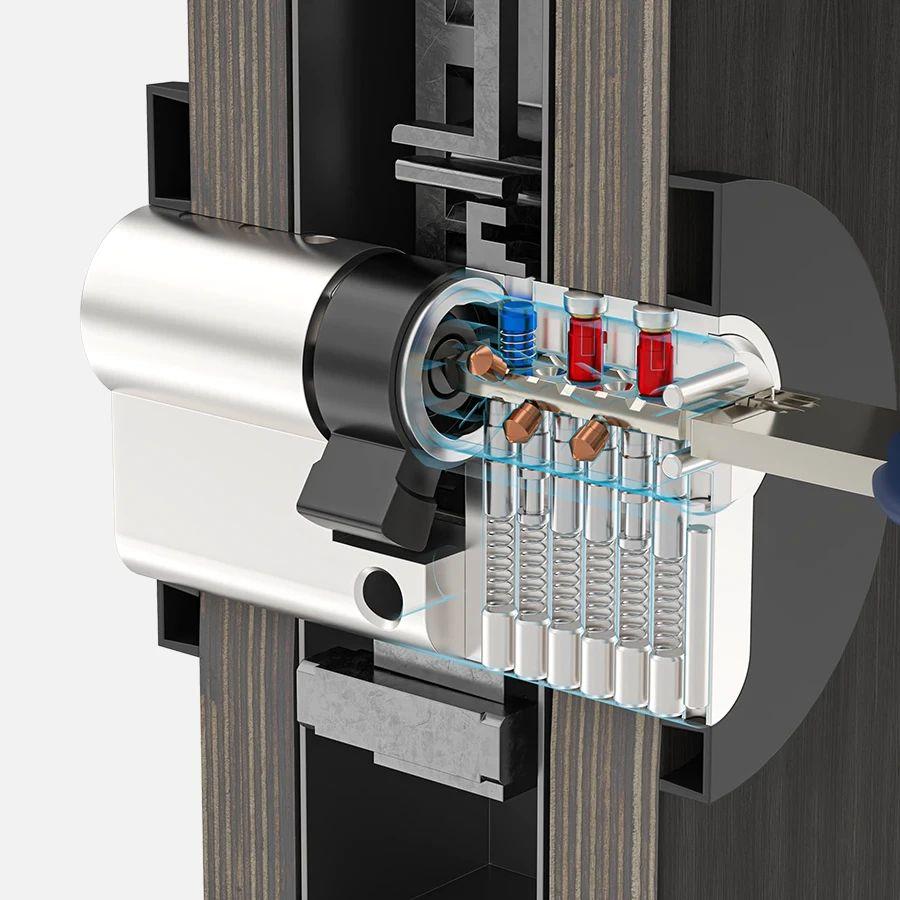
Cylindrical locks consist of a latch mechanism separate from the main lock body, with the locking cylinder typically located within the lever or knob itself. This design makes them relatively easy to install and replace, contributing to their widespread popularity in residential applications and light commercial settings. While they may not offer the same level of security as mortise locks, modern cylindrical locks are available in various security grades, with Grade 1 models suitable for more demanding applications.
Pros and Cons of Cylindrical Locks
Pros
- Ease of Installation: Cylindrical locks are designed for straightforward installation, typically requiring only a standard round borehole in the door. This makes them ideal for DIY projects and allows for quick replacement in pre-drilled doors without significant modifications.
- Cost-Effective: Both the hardware cost and installation expense of cylindrical locks are generally lower than those of mortise locks. This affordability makes them accessible for budget-conscious homeowners and projects requiring multiple locks.
- Versatility and Availability: Cylindrical locks are widely available in numerous styles, finishes, and functions to suit various residential and light commercial needs. Their popularity means replacement parts are readily available, and there are abundant options for design customization.
- Easy Maintenance and Rekeying: The simple design of cylindrical locks makes them easier to service and rekey compared to mortise locks. The cylinder can typically be accessed and replaced without removing the entire lock mechanism, simplifying maintenance tasks.
Cons
- Lower Security Potential: While high-grade cylindrical locks offer decent security, the basic models provide less protection against forced entry compared to mortise locks. The separate latch and bolt mechanisms create potential weak points that can be exploited by determined intruders.
- Reduced Durability in High-Traffic Areas: Cylindrical locks may not withstand heavy use as well as mortise locks. In high-traffic commercial environments, they are more prone to loosening, misalignment, and general wear over time.
- Limited Aesthetic Options: Compared to mortise locks, cylindrical locks typically offer fewer options for decorative trim and architectural detailing. The design constraints of the cylindrical mechanism limit the size and style of accompanying hardware.
- Less Substantial Feel: The operation of cylindrical locks often feels lighter and less substantial compared to the smooth, weighted action of mortise mechanisms. This can create a perception of lower quality, even in higher-grade models.
Comparison of Mortise vs. Cylindrical Locks
Installation
Mortise locks require a rectangular pocket (mortise) to be cut into the door edge, along with additional holes for the trim and cylinders. This process demands precision woodworking skills, specialized tools like a mortising jig, and typically professional installation to ensure proper function. The complexity adds time and cost to the installation process.
Cylindrical locks utilize a simpler installation method with standard round boreholes (typically 2⅛ inches in diameter) through the door face and edge. This straightforward process is more DIY-friendly and can be completed quickly with basic tools, making cylindrical locks ideal for projects with time or budget constraints.
Functionality
Mortise locks often combine multiple locking functions in one unit, typically incorporating both a latch and deadbolt mechanism. This integrated design allows for sophisticated access control functions, making them suitable for various commercial applications. The robust internal mechanism provides smooth, reliable operation even under heavy use.
Cylindrical locks generally feature simpler mechanisms with separate functions for latching and locking. While they offer adequate performance for most residential needs, they may not provide the same level of functional complexity or smooth operation as mortise locks, especially in high-use scenarios.
Security
Mortise locks provide superior security through their integrated design, which often includes a deadbolt that extends deeper into the door frame. The heavy-duty construction and internal mounting make them highly resistant to forced entry, tampering, and physical attacks. Many mortise locks achieve Grade 1 security ratings, indicating the highest level of commercial-grade protection.
Cylindrical locks offer varying levels of security depending on their grade and quality. While Grade 1 cylindrical locks can provide excellent protection for residential and light commercial use, the basic separate latch mechanism creates potential vulnerabilities not present in mortise designs. For enhanced security, additional deadbolts may need to be installed separately.
Style and Design
Mortise locks support a wider range of architectural styles and decorative options, including larger lever handles, escutcheon plates, and custom finishes. The internal mounting allows for more substantial and design-intensive hardware, making it preferred for projects where aesthetics are as important as function.
Cylindrical locks, while available in various styles and finishes, typically feature simpler designs with limited trim options. The external mounting mechanism restricts the size and type of hardware that can be used, resulting in a more standardized appearance across different price points.
Maintenance
Mortise locks, despite their durability, can be more complex to service due to their integrated design. Specialized knowledge may be required for repairs or rekeying, often necessitating professional assistance. However, their robust construction typically means less frequent maintenance is needed compared to cylindrical locks.
Cylindrical locks are generally easier to maintain, repair, and rekey thanks to their simple, accessible design . Standardized parts are widely available, and many maintenance tasks can be performed by homeowners without professional help, reducing long-term maintenance costs.
Cost
Mortise locks involve higher upfront costs, including both the hardware itself and professional installation. However, their exceptional durability and longevity can provide better value over time, particularly in commercial settings where frequent replacement would be costly.
Cylindrical locks are more budget-friendly initially, with lower hardware costs and potentially reduced installation expenses. This makes them accessible for residential projects and applications where immediate cost is a primary consideration, though they may require more frequent replacement in high-use environments.
Factors to Consider When Choosing a Lock
Security Needs
Evaluate the level of security required for your specific application. Mortise locks are preferable for high-security areas, external doors, and commercial settings where robust protection is essential. Their integrated deadbolt and solid construction provide superior resistance to forced entry. Cylindrical locks may suffice for interior doors, low-risk areas, and residential applications where basic security is adequate. Consider factors such as neighborhood crime rates, the value of protected assets, and insurance requirements when assessing security needs.
Usage Occasion
Consider how frequently the door will be used and by how many people. Mortise locks excel in high-traffic environments such as commercial buildings, schools, hospitals, and main entry doors where durability under constant use is crucial. Cylindrical locks are suitable for moderate-use residential applications, interior doors, and low-traffic areas where heavy-duty performance is less critical. For rental properties or facilities with frequent tenant turnover, cylindrical locks offer the advantage of easy rekeying between occupants.
Door Thickness and Material
The construction of your door significantly impacts which lock type is appropriate. Mortise locks require solid-core doors with sufficient thickness (typically 1¾ inches or more) to accommodate the lock body. They are ideal for wooden, steel, and solid composite doors. Cylindrical locks are more versatile for various door types, including hollow-core doors, and can be installed on doors with minimal thickness. Always verify that your door has adequate material to support the chosen lock system before purchase.
Aesthetics and Design
Consider the architectural style and design cohesion of your space. Mortise locks offer a premium, architectural appearance with extensive customization options for trim, finishes, and lever designs. They are ideal for projects where hardware serves as a design statement. Cylindrical locks provide adequate aesthetic options for most residential applications, but with more limited design flexibility. Consider how the lock style complements your door design, interior decor, and overall architectural aesthetic.
Installation and Maintenance
Assess your installation capabilities and long-term maintenance preferences. Mortise locks typically require professional installation due to the complex door preparation needed. While they demand specialized knowledge for repairs, their durability often means less frequent maintenance. Cylindrical locks are more DIY-friendly for installation and easier to maintain without professional assistance. Consider your comfort with DIY projects, available budget for professional installation, and long-term maintenance expectations.
Budget
Establish a clear budget that includes both initial costs and long-term value. Mortise locks represent a higher initial investment but offer superior longevity, potentially providing better value over decades of use. Cylindrical locks have lower upfront costs but may require more frequent replacement in high-use scenarios. Balance your immediate budget constraints with long-term value considerations, especially for critical access points.
Brand
Reputable brands typically offer better quality, reliability, and product support. Well-established lock manufacturers such as Schlage, Yale, Baldwin, and Corbin Russwin produce both mortise and cylindrical locks in various quality grades. Research brand reputation, warranty terms, and product reviews specific to your region. In the UAE, Qatar, and African markets, consider the availability of parts and local service support when selecting brands.
Frequently Asked Questions
- Why is a mortise lock better? Mortise locks are considered better for high-security applications and heavy-use environments due to their integrated design, superior construction, and combination of latch and deadbolt mechanisms. They provide stronger resistance against forced entry and typically last longer than cylindrical locks under frequent use.
- Is a mortise lock better than a normal lock? The term “normal lock” typically refers to cylindrical locks. Mortise locks are generally superior in terms of security, durability, and aesthetic options, but cylindrical locks may be more appropriate for residential applications where cost and easy installation are priorities.
- Are cylindrical locks better? Cylindrical locks are better in specific scenarios: when working with a limited budget, when DIY installation is preferred, for standard residential applications, and when quick installation is necessary. They offer sufficient security for most homes with greater affordability and convenience.
- What is the point of a mortise lock? The primary purpose of a mortise lock is to provide enhanced security through a durable, integrated locking mechanism installed within the door itself. It combines multiple security features in one unit while offering architectural appeal and long-term reliability.
- What is the difference between a deadbolt and a mortice lock? A deadbolt is a specific type of locking mechanism (a solid bolt that extends into the door frame), while a mortise lock is a complete locking system that may include a deadbolt as part of its mechanism. Many mortise locks incorporate a deadbolt along with a latch in a single unit.
- How can you tell if a lock is a mortise lock? You can identify a mortise lock by looking at the door edge: if there is a rectangular cutout with a metal plate (the lock front) and the mechanism appears to be contained within the door thickness rather than surface-mounted, it is likely a mortise lock.
- Are mortise locks better? Mortise locks are better for high-security applications, commercial settings, and heavy-use doors where maximum durability is required. For standard residential use with budget constraints, cylindrical locks may be the more practical choice.
- Is a cylindrical lock good? Yes, cylindrical locks are good for most residential applications and light commercial use. High-quality Grade 1 cylindrical locks can provide excellent security and durability while being more affordable and easier to install than mortise locks.
- What is the difference between a mortise and a lockset? A lockset is a general term referring to all the components of a door locking system, including knobs, levers, locks, and related hardware. A mortise lock is a specific type of lockset that requires a pocket (mortise) to be cut into the door for installation.
- What is a Mortice lockset? A mortice lockset is a complete locking system designed for mortise installation, typically including the lock body, trim (levers or knobs), strike plate, and necessary cylinders. All components are designed to work together within the mortise installation system.
- What is a mortise lock door? A mortise lock door is any door that has been prepared to accommodate a mortise lock, featuring the necessary mortise pocket cut into the door edge. These doors are typically thicker and more substantial to support the mortise lock mechanism.
Conclusion
Choosing between mortise and cylindrical locks depends on carefully evaluating your specific security requirements, budget constraints, aesthetic preferences, and door characteristics. Mortise locks offer superior security, durability, and design options for commercial applications, high-traffic areas, and situations where maximum protection is essential. Cylindrical locks provide a cost-effective, easy-to-install solution adequate for most residential needs and light commercial applications. By understanding the distinct advantages and limitations of each system, you can make an informed decision that ensures the right balance of security, functionality, and aesthetics for your property. Whether you prioritize the robust performance of mortise locks or the practical convenience of cylindrical locks, selecting the appropriate locking system is crucial for the safety and security of your building occupants and assets. Contact EOS to get a profitable and professional cylinder design and manufacturing solution.