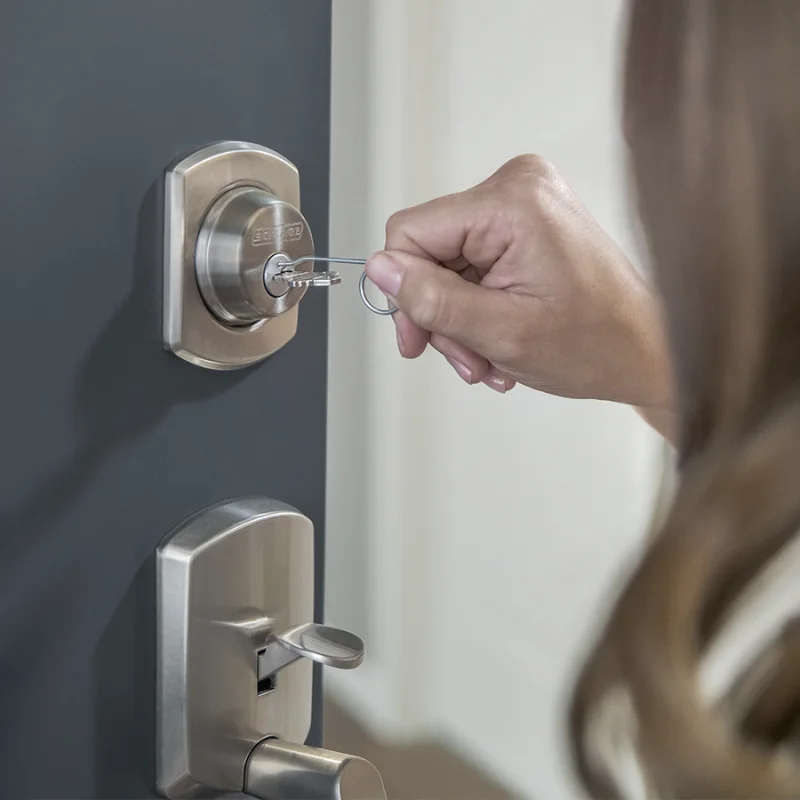
Everyday situations that call for lock rekeying
Rekeying changes which keys work in a lock without replacing the entire lock body.
For many small businesses this simple step solves real problems with less cost and disruption than a full hardware change.
Common scenarios include
- A staff member leaves and does not return keys
- A tenant moves out and you want a fresh key set
- Keys have been copied without clear control
- A master key has been lost, and risk feels too high
- You merge spaces and want one key for a new zone
In each case the goal stays the same, keep the door and hardware, change the key that opens it.
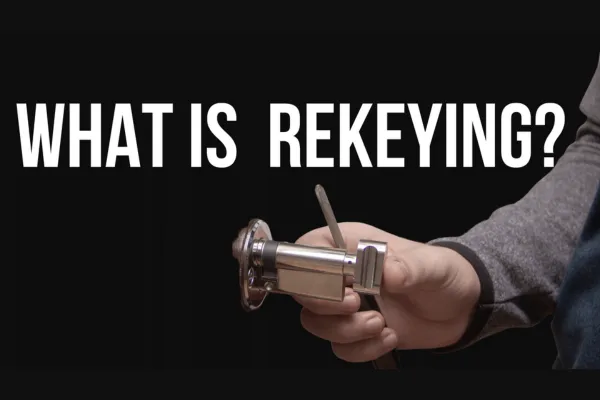
Inside a rekeyed cylinder
Rekeying focuses on the core of the lock, the cylinder.
Instead of changing the whole lockset, a technician changes the internal pin layout so old keys stop working.
In a typical pin tumbler cylinder
- Each key position lines up with a stack of pins
- The original pins match the old key cuts
- During rekeying, the locksmith replaces those pins with new ones that match a different key code
When the work finishes
- The old keys no longer lift pins to the shear line
- The new keys align pins correctly, so the plug turns and moves the latch or bolt
From the outside, the lock looks the same, yet access control now follows a fresh key pattern.
Rekeying triggers across a business lifecycle
Different stages in a business bring different reasons to rekey.
Planning for those moments keeps security one step ahead of change.
When you take over a new space, you often cannot know how many keys previous tenants cut.
Rekeying perimeter and critical interior doors gives you a clean starting point.
During growth and staffing changes, new hires and role shifts increase key movement.
Regular rekey cycles on main doors and high value rooms help you maintain trust in your key system.
If you suffer a theft, attempted break in, or missing keys, rekeying becomes part of the response.
You reset cylinders that might now be exposed and update your key record to close the gap.
DIY rekeying compared with professional service
Hardware stores and some lock brands offer DIY rekey kits.
They can help in simple residential situations, yet commercial sites need a more careful comparison.
A DIY approach usually means
- You buy a kit designed for one brand or series
- You follow step by step instructions for a small number of locks
- You cut or use new keys that match the new pin layout
This can work for low risk interior doors when you have time and a consistent lock family.
Risks grow when you mix brands, master key levels, or doors with fire and code requirements.
Professional locksmith service brings
- Experience with many cylinder types and formats
- Tools that speed disassembly, pinning, and testing
- Knowledge of fire, egress, and accessibility rules
- The ability to maintain master key structures without mistakes
For key systems that protect stock, equipment, or sensitive data, professional rekeying normally gives better long term value than a trial and error approach.
Rekeying as part of a key control plan
Rekeying works best when it supports a clear key control strategy rather than acting as a one time fix.
A simple plan can include
- A key hierarchy, such as individual keys, area masters, and one top level master
- A record of who holds each key and when they received it
- Defined triggers for rekeying, such as lost master keys or tenant turnover
- A schedule for periodic review of high risk openings
By treating rekeying as a planned service instead of an emergency measure, you lower both cost and risk over time.
When full lock replacement makes more sense than rekeying
Sometimes rekeying only solves part of the problem.
In those cases, replacing hardware may serve the building better.
Replacement becomes easier to justify when
- Locks are worn, damaged, or out of current standards
- You want to upgrade to cylinders with stronger security features
- The door will soon join an electronic or keyless access system
- The existing hardware no longer meets code or project requirements
On older doors, you might combine steps, install new cylinders and lock bodies now that can later accept electronic cylinders or readers.
That way you pay once for the mechanical upgrade and keep options open for future access control.
EOS SECURE cylinders and rekey friendly design
Quality cylinders make rekeying more predictable and efficient.
EOS SECURE designs its mechanical and electronic ready cylinders so locksmiths can pin and service them quickly without fighting poor tolerances.
For building owners and security managers, that means
- Shorter downtime when rekeying large key systems
- Stable performance after pin changes and key updates
- A smoother path toward restricted key systems or electronic upgrades
Whether you manage a single site or a growing portfolio, rekey friendly cylinders help you adjust access without rebuilding your hardware from scratch.
FAQ
What is the purpose of rekeying a lock
The purpose of rekeying is to change which keys operate a lock without replacing the entire lock body. By adjusting the pins inside the cylinder, you block old keys and allow a new key pattern, which restores control after changes in staff, tenants, or risk.
Is it cheaper to rekey or replace locks
Rekeying usually costs less than full replacement because you keep the existing hardware. You pay for labor and key changes rather than new locksets. Replacement makes more sense when the hardware is worn, outdated, or when you plan a larger upgrade in security level or access method.
How do I rekey a lock
Basic rekeying involves removing the cylinder, changing the internal pins to match a new key code, and reassembling and testing the lock. DIY kits exist for simple cases, yet commercial doors and master key systems are better handled by a professional locksmith who can protect both function and code compliance.
When should you rekey a lock
You should rekey after key loss, staff or tenant turnover, suspected unauthorized copies, or any security incident that raises questions about who holds keys. Many businesses also rekey during ownership changes or renovation projects so they start with a known, controlled key set.
What is the average cost to rekey a door lock
Average cost depends on local labor rates, lock type, and whether you bring hardware to a shop or request on site service. Rekeying is often priced per cylinder plus new keys. High security or restricted systems may cost more, yet they also improve key control and reduce risk.
Will Home Depot rekey my locks
Some large home improvement chains offer rekeying services for certain lock brands, mainly for residential grade hardware. For commercial projects, special key systems, or mixed brands, a dedicated locksmith or security hardware supplier usually provides more suitable options and better support.
What locks Cannot be rekeyed
Many pin tumbler cylinder locks can be rekeyed, but some low cost or specialty locks do not support pin changes. Sealed units, simple cabinet locks, and certain electronic only devices may require full replacement. A locksmith can review your door hardware and confirm which cylinders can accept rekeying.
How long does it take to rekey a lock
Rekey time per lock depends on lock type, condition, and whether a master key system is involved. A straightforward cylinder can often be rekeyed in a short visit, while large systems with many doors and key levels require more planning and careful pinning to keep the hierarchy intact.
About EOS SECURE
EOS SECURE delivers precision engineered mechanical and electronic lock cylinders backed by more than a decade of manufacturing expertise. Established in 2011, our factory operates under ISO9001 and ISO14001 certifications, and our products meet rigorous international standards including EN1303 and SKG. With more than 50 advanced Swiss type CNC automatic lathes and integrated machining centers, we manufacture high quality cylinders that support efficient rekeying, restricted key systems, and future electronic upgrades for commercial projects worldwide. Whether you need small batch service work or large scale production, EOS SECURE provides reliable performance, consistent quality, and dependable technical support. Secure your business with solutions built for long term stability, contact us today.