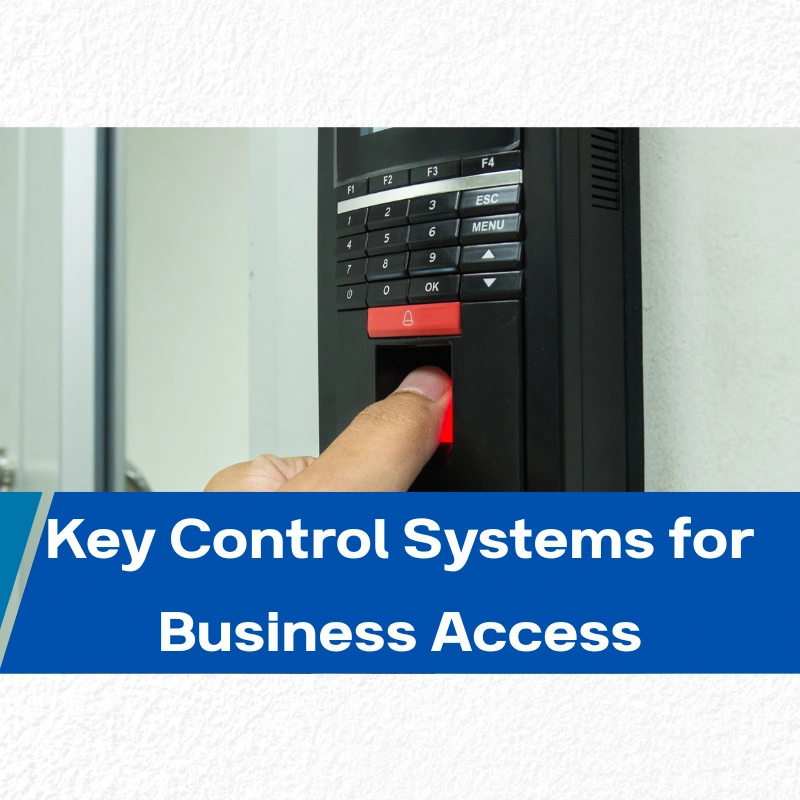
What Is a Key Control System and Why It Matters
Key control refers to a structured approach to managing physical keys and access rights. Its purpose is to ensure that only authorized individuals can access specific areas, and that every key issued remains traceable and controlled.
Key control goes beyond basic mechanical locking. It is a foundational part of modern physical security, especially for businesses and properties where multiple users, roles, and access levels must be managed over time.
As a supplier focused on high-security locking solutions, EOS SECURE designs key control systems that support clear permission structures, reliable access control, and long-term operational stability.
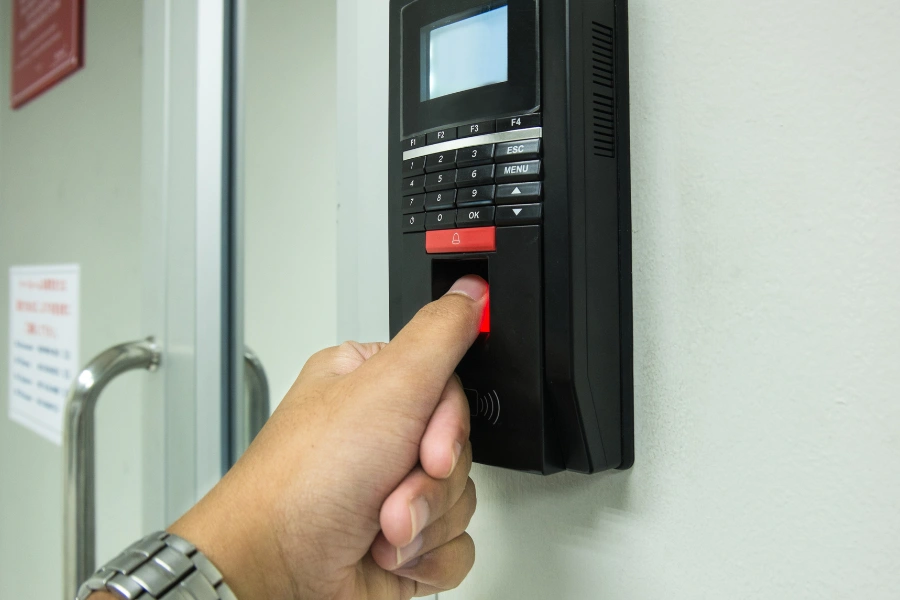
How Key Control Systems Are Structured
Hierarchical Key Systems – Managing Access by Role
Hierarchical key systems organize access rights through defined permission levels.
- User keys are issued to employees or individuals and open only designated doors.
- Sub-master keys provide access to a defined group of locks, such as a floor or department.
- Control keys represent the highest authority within the system and can operate all locks under that structure.
This hierarchy ensures access is granted based on role and responsibility, reducing the risk of uncontrolled entry.
Patented Key Systems – Preventing Unauthorized Duplication
Patented key systems are designed to prevent unauthorized key duplication.
- Keys and keyways are protected by patent and proprietary design.
- Key blanks are not available on the open market.
- Duplication requires formal authorization and is limited to approved manufacturers or locksmiths.
EOS SECURE provides lock cylinders that meet international standards such as EN1303, ensuring key uniqueness, legal protection, and long-term control over duplication.

Interchangeable Core Systems for Fast Access Changes
Interchangeable core systems allow lock cores to be replaced without removing the entire lock body.
- Control keys are used to remove or reset the core.
- Access rights can be changed quickly when personnel changes occur.
- Downtime and labor costs are significantly reduced.
These systems are well suited for offices, rental properties, and environments where access permissions change frequently.
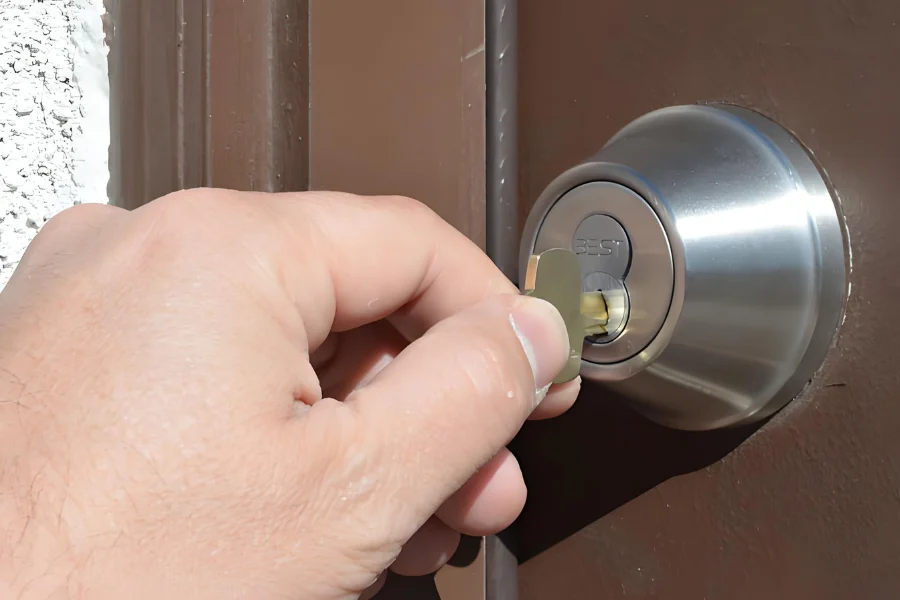
Business Benefits of a Structured Key Control System
Improved Security
- Prevents unauthorized key copying.
- Limits access through clear permission levels.
- Reduces exposure caused by lost or unreturned keys.
Simplified Access Management
- Fewer physical keys are required for authorized staff.
- Access can be adjusted without replacing all locks.
- Emergency access is faster and more controlled.
Long-Term Cost Efficiency
- Eliminates frequent rekeying due to staff turnover.
- Reduces lock replacement expenses.
- Provides clear accountability through key records.
Compliance and Professional Standards
- Supports regulatory requirements in government, healthcare, and education.
- Demonstrates responsible security management.
- Builds trust with tenants, employees, and partners.
Key Control Solutions for Different Environments
Residential and Multi-Unit Housing
Hierarchical or patented key systems help control access for tenants, service staff, and contractors without compromising overall security.
EOS SECURE offers modular lock cylinders that support quick core replacement and controlled permission changes.
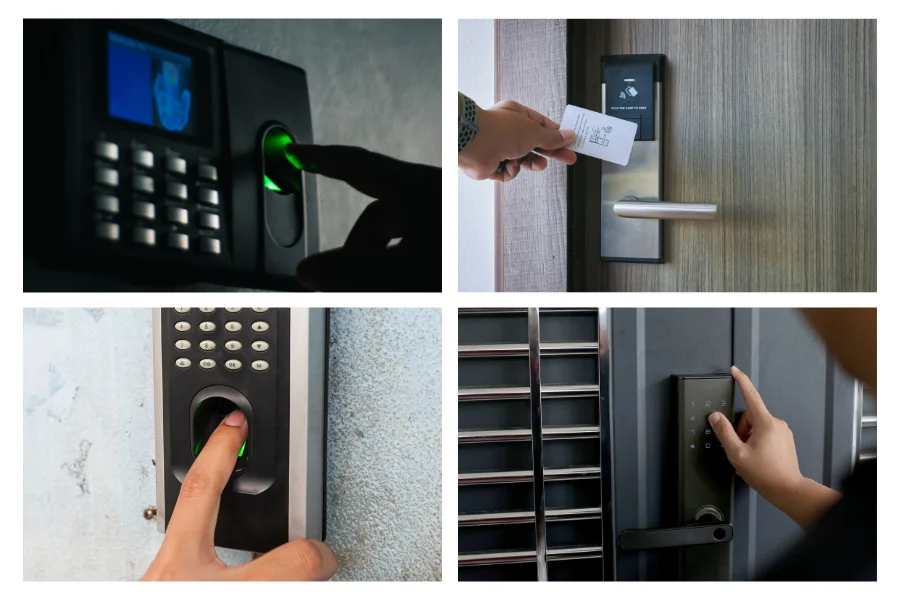
Commercial and Office Buildings
Master key systems combined with electronic access control allow flexible zoning across offices, warehouses, and technical rooms.
This approach balances convenience with strict access separation for sensitive areas.
Schools and Public Facilities
Patented key systems with documented key issuance reduce the risk of unauthorized duplication and simplify accountability.
These systems can be integrated with card-based access solutions to support unified security management.
Short-Term Rental and Property Management
Interchangeable cores paired with smart locking solutions enable fast access changes and remote permission control.
EOS SECURE provides smart cylinders and handle sets that support mobile access, temporary credentials, and app-based management.
Designing a Key Control System That Fits Your Business
Assess Your Requirements
Define access levels, usage frequency, and security expectations. Consider how often permissions change and who needs administrative control.
Design the System
Select the appropriate cylinder type, such as Euro profile, oval, or modular designs. Combine mechanical key control with electronic systems where higher flexibility is required.
Implementation and Ongoing Management
Establish clear procedures for key issuance, return, and tracking. Conduct regular audits to ensure permissions remain aligned with current roles.
Why Key Control Is a Long-Term Security Decision
Key control is not only a technical decision, but a management strategy. A structured and scalable system protects access, reduces risk, and supports long-term operational efficiency.
For businesses managing multiple users and changing access needs, system reliability and manufacturing consistency are critical.
EOS SECURE designs and manufactures mechanical and electronic lock cylinders that support reliable key control in real business environments. With certified production processes and long-term manufacturing expertise, EOS SECURE delivers stable performance for both customized projects and large-scale deployment.