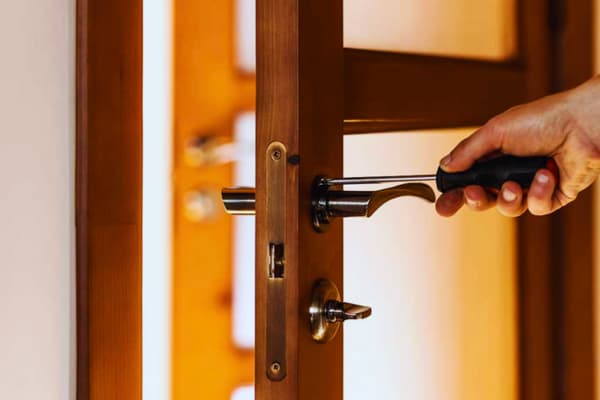
A Practical Guide for Homes and Small Businesses
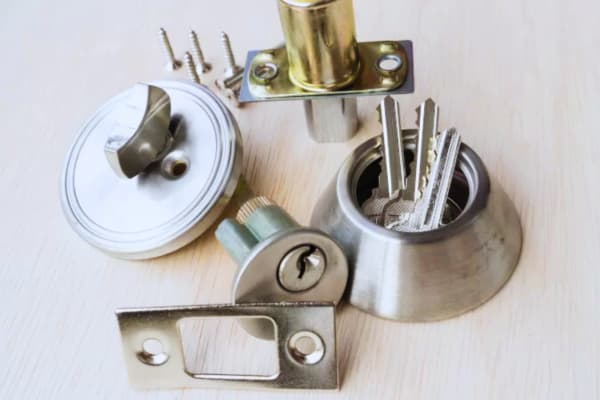
A lock cylinder controls who can enter a space. It allows a key to engage the internal mechanism so a door locks and unlocks reliably. When the cylinder wears down or when access needs change, replacing it becomes a simple way to restore secure and consistent operation.
Many homes and small businesses replace cylinders after losing a key or moving into a new property. Staffing changes and security upgrades are also common reasons. A well matched cylinder improves daily reliability and reduces risks from forced entry attempts. The process is straightforward with basic tools and careful preparation.
Lock cylinders are available in several formats. Interchangeable cylinders are used in many home and office doors. Storefront cylinders fit commercial aluminum frames. Euro profile cylinders appear widely in modern buildings. Each design follows a similar workflow with small differences in how the cylinder connects to the lock body.
What You Need Before You Start
Tools for a Smooth Replacement
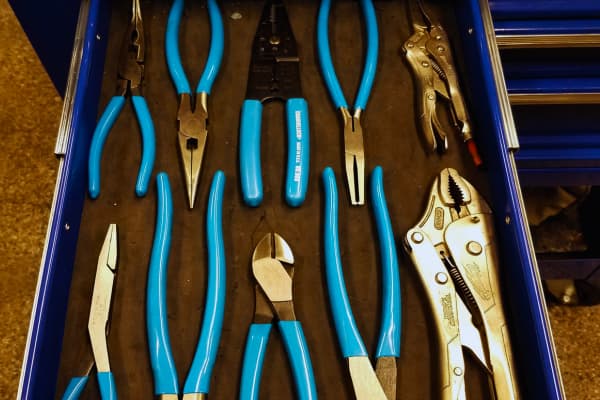
Most installations require only simple tools. These tools help remove retaining screws, keep the door stable, and support accurate alignment during the process.
- Flathead screwdriver
- Phillips screwdriver
- Allen wrench if required
- Needle nose pliers
- Doorstop or wedge
- Sealable bag for screws
- Measuring tape
- Light lubricant if the cylinder feels tight
Safety and Preparation
Keep the door open to avoid lockouts.
Prepare any spare keys before removing the cylinder.
Maintain a clean workspace so small parts are not misplaced.
Use steady movements to protect the lock body and surrounding hardware.
How to Replace an Interchangeable Lock Cylinder
Interchangeable cylinders are common in homes, offices, and small retail spaces. Their simple design makes replacement efficient for daily security needs.
Remove the old cylinder
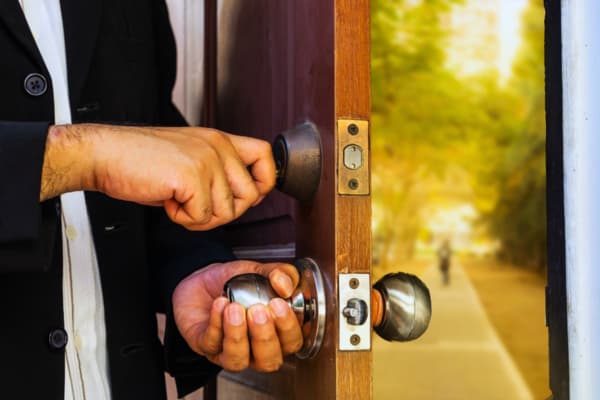
Open the door and locate the retaining screw on the edge. Remove it with the correct screwdriver. Insert the key and turn it slightly so the cam aligns with the lock body. Pull the cylinder outward while keeping the key steady. Adjust the angle if the cylinder resists. Proper alignment prevents damage and keeps the process smooth.
Prepare the new cylinder
Insert the key and turn it to the unlocked position. This sets the cam in line with the internal mechanism so the cylinder seats correctly during installation.
Install the new cylinder
Slide the cylinder into the lock until it sits flush. Turn the key back to its neutral position. Reinstall the retaining screw and tighten it. A level and stable fit supports long term reliability.
Test the installation
Turn the key from both sides of the door. The motion should feel clean and consistent. Smooth engagement confirms that the cam is aligned and that the lock is ready for daily use.
How to Replace a Storefront or Commercial Cylinder
Storefront cylinders are threaded and used widely in aluminum commercial doors. Their design supports frequent use in retail and service environments.
Remove exterior components
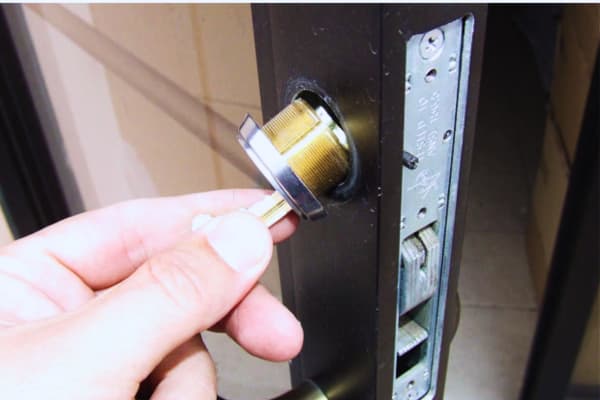
Open the door and secure it with a wedge. Remove the faceplate screws and set them aside. Loosen the set screw that holds the cylinder in place. Keep the screw in the lock body so the threads remain stable.
Extract the old cylinder
Insert a nonmatching key to provide leverage. Turn the key counterclockwise to unthread the cylinder. Loosen the set screw slightly if resistance increases. A steady turning motion keeps the threads clean and reduces wear on the lock body.
Install the new cylinder
Thread the new cylinder into the door by turning it clockwise. Align the keyhole so it sits in a natural downward position. Smooth engagement ensures consistent performance during high traffic hours.
Secure and test
Tighten the set screw to hold the cylinder in place. Reinstall the faceplate. Test the key to confirm that daily operation feels stable and predictable.
How to Replace Euro Profile and Other Specialty Cylinders
Euro profile cylinders are common in residential and small commercial buildings. Their design allows quick replacement with minimal disruption.
Euro profile cylinders
Remove the retaining screw on the door edge. Insert the key and turn it slightly to align the cam. Slide the cylinder out of the lock body. Insert the new cylinder with the key in the same position. Tighten the retaining screw once the cylinder sits flush. The correct length is important because a cylinder that extends too far exposes the door to snap attacks.
Cylinders with square tailpieces
Older locks may use a square tailpiece. Compare the new tailpiece with the existing one and trim it to match if needed. Insert the cylinder so the tailpiece connects cleanly to the internal receiver. Reinstall the retaining clip and test the operation. Proper fit supports long term stability and reduces maintenance issues.
Tips for Reliable Installation
Measurement and fit
Measure the door thickness before purchasing a cylinder. A well sized cylinder improves security and creates a clean installation. Incorrect sizing can expose the cylinder or hinder smooth rotation.
Alignment
Most issues occur when the cam or tailpiece is not aligned. Keep the key in the correct position while inserting the cylinder. For threaded designs, ensure that the threads engage evenly so the cylinder seats firmly.
Troubleshooting
If the cylinder sticks, adjust the key angle or apply a light lubricant.
If the key will not turn, check the orientation of the installation.
If rotation feels rough, remove the cylinder and check for debris or misalignment.
How to Test the New Cylinder
Function tests
- The key should insert and remove smoothly
- Locking and unlocking should feel consistent
- The latch should engage without hesitation
Safety verification
- The door should close and lock securely
- The cylinder should feel stable when touched
- All screws should sit tight and level
Reliable performance ensures that both homes and small businesses maintain predictable day to day security.
FAQ
When should a lock cylinder be replaced?
Replace a cylinder when a key is lost or when the mechanism becomes difficult to use. Small businesses often replace cylinders during staffing changes or after expanding access needs. A new cylinder restores predictable control over entry points.
What tools are required?
Most installations use a flathead or Phillips screwdriver. Some cylinders may need an Allen wrench, pliers, or a tape measure. Basic tools are usually enough for standard replacements.
What if the cylinder does not come out?
Check for a retaining screw that may still be in place. Adjust the key angle until the cam aligns with the lock body. A small amount of lubricant can help release a stuck cylinder without forcing the hardware.
Can a new cylinder use existing keys?
Most new cylinders include their own keys. Some models can be rekeyed by a locksmith so one key continues to operate multiple doors. Compatibility depends on the lock design and key system.
How do I choose the right cylinder?
Measure the door and select a cylinder that fits cleanly without extending outward. Look for anti snap and anti pick features. Choose a model that aligns with existing hardware for consistent performance.
What if the key will not turn after installation?
Check the alignment and confirm that the key is inserted fully. Adjust the cylinder position slightly until the cam engages. Minor misalignment is the most common cause of resistance.
Can the cylinder be replaced without changing the entire lock?
Yes, most locks allow cylinder only replacement. This approach supports cost efficiency and preserves existing hardware in homes and small business environments.
Is cylinder replacement easy for most users?
Yes, most cylinders can be replaced with basic tools and careful attention to alignment. The steps are straightforward and well suited for simple upgrades.
When DIY Works and When to Call a Professional
Most home and small business cylinders can be replaced with basic tools and a steady approach. Storefront cylinders also follow a clear workflow, although alignment is especially important for commercial doors that operate frequently. A locksmith can help if the lock body is damaged or if the installation requires specialized cutting or measurement.
Upgrading to a high security cylinder strengthens protection against common forced entry attempts. Regular inspections support long term reliability and help maintain consistent access control throughout a property.
About EOS SECURE
EOS SECURE delivers precision engineered mechanical and electronic lock cylinders backed by more than a decade of manufacturing expertise. Established in 2011, our factory operates under ISO9001 and ISO14001 certifications. Every product meets international standards including EN1303 and SKG. With more than fifty Swiss type CNC automatic lathes and integrated machining centers, we produce high quality lock cylinders trusted by partners worldwide. Whether you need small batch customization or large scale production, EOS SECURE provides consistent performance and dependable support. Strengthen your security with solutions designed for long term stability.