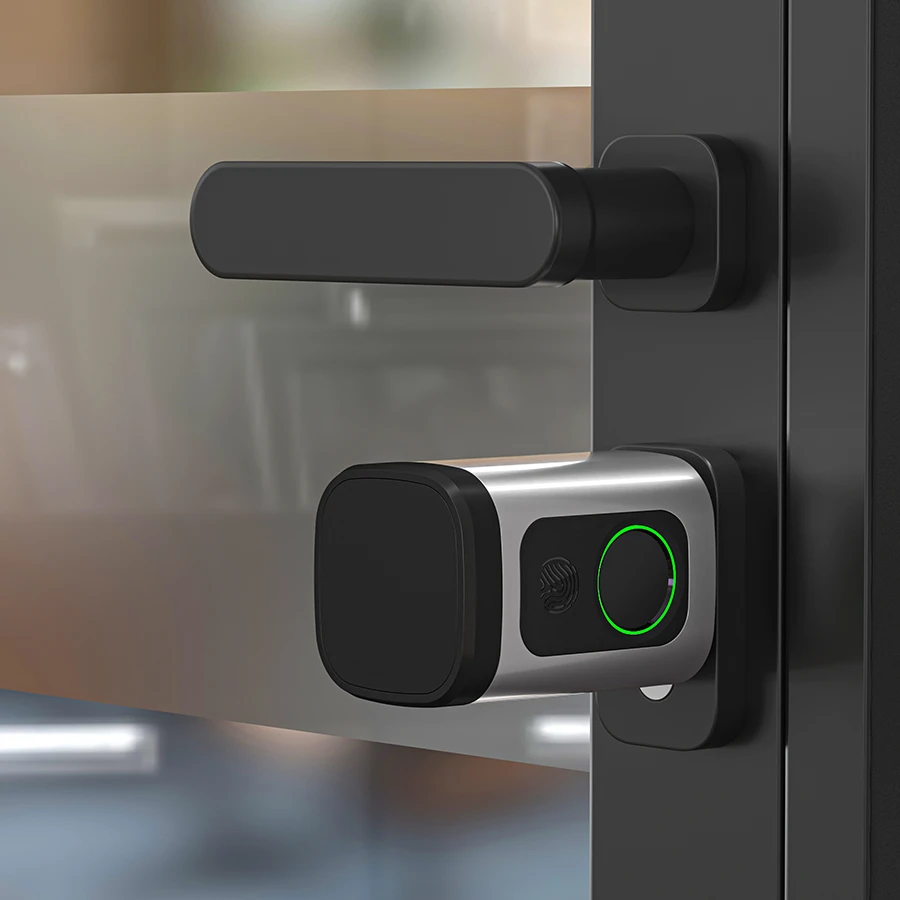
An electronic lock system for doors is a security device that uses electrical power rather than traditional keys. These systems make use of a variety of mechanisms, including magnets, motors, biometric readers, and RFID readers, to open or secure entry points. They are found in buildings like homes, offices, hospitals, hotels, and government buildings. Each electric lock offers a different level of security, convenience, and connectivity for the user. As the demand for safety continues to rise, these electronic lock systems continue to offer new functionalities for security while meeting a variety of safety standards.
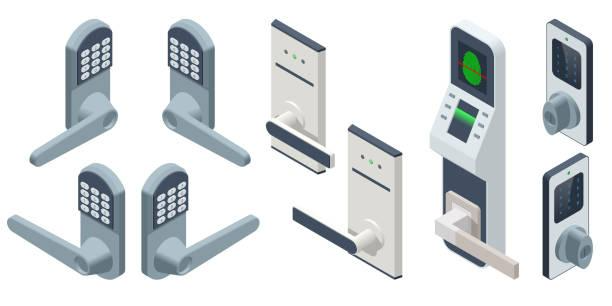
Source: iStock
Alt text: Isometric illustrations of some electronic access control systems for doors
Types of Electronic Door Locks
As the desire for smarter security increased in both commercial buildings and residential homes, the electronic lock system has seen many variations. There are now many types of electronic locking systems, each with varying technologies and benefits for specific areas. Let’s discuss the most recognizable types of electric locks and how they work:
Magnetic Locks
Magnetic locks (also known as maglocks or EM locks) utilize an electromagnet to hold the door closed to an armature plate on the door. This electronic lock system for door mechanism generates a magnetic field that connects with the armature plate, securing the door when closed – often with more than 1,000 pounds of holding force. To unlock the door, power is interrupted by an access command such as a swipe on a card reader or entering a keypad code.
They require powered assistance for locking and unlocking; hence, their fail-safe design means that they unlock when power fails, which is why they are an excellent choice for emergency exits.
Magnetic electronic lock systems are extensively used on commercial doors, glass doors, and any application where high security and fast locking are essential.
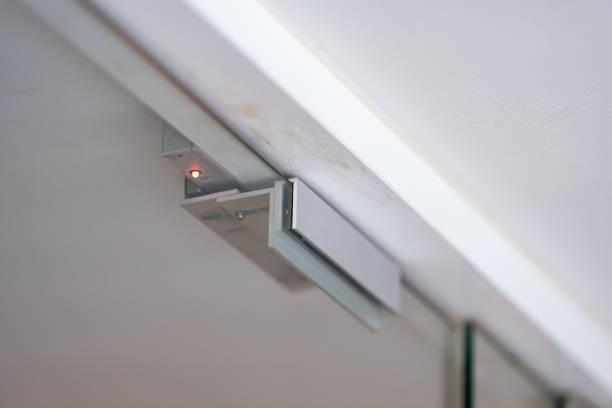
Source: iStock
ALT: An electromagnetic lock on a door
Electric Strike Locks
Electric strike locks operate in conjunction with standard mechanical locks such as latch bolts or deadbolts. Electric strikes do not secure directly to the door; instead, they replace the static strike plate that is fixed to the doorframe. So when access is allowed, it only pivots or releases momentarily and does not allow the door to open and be turned by the handle.
The attractiveness of electronic lock systems for doors with electric strikes is their flexibility; electric strikes can be used with keypads, RFID readers, intercoms, or remote access. Electric strike locks can also be fail-safe and fail-secure; therefore, electric strikes can unlock or stay locked during a power failure, depending on the power supply installation.
Electric strike locks are found in office entryways, apartment complexes, and secure reception areas.
Electric Cylindrical and Electric Mortise Locks
Electric cylindrical and electric mortise locks have gained popularity as an upgrade to traditional mechanical locks by leveraging both strength and electronic access. These types of electric locks are installed directly into the door, incorporating a motorized locking mechanism controlled with electronic signals from the credential system (keycard, fob, and/or biometric scanner).
Electric cylindrical locks are easier to retrofit to existing doors and are well-suited for light to medium-duty applications, such as interior office doors. Electric mortise locks require larger and deeper installation and will offer greater durability, making them suitable for less sheltered points of entry or continuous duty in high-traffic commercial areas.
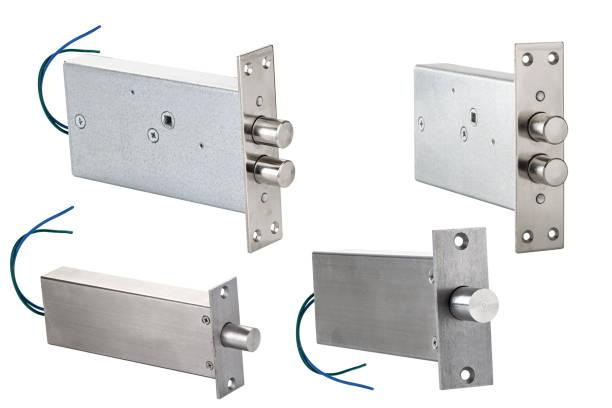
Source: iStock
Alt text: Electric mortise locks for doors
Both electric locks offer enhanced access control, audit trails, and the ability to integrate within a larger integrated security system.
Electric Push Bar Locks
Electric push bar locks, or electrified panic bars, merge secure entry control with emergency egress. They can typically be found on exit doors in commercial and public buildings. The push bar allows people to exit quickly, while keeping unauthorized entry from the outside.
The technology consists of enclosing a solenoid or motor-driven mechanism inside the push bar, which can form part of electronic access systems like card readers or building automation systems. Access is allowed by electronic latch retraction to allow the door to open when the outside push bar is not depressed.
Among the types of electronic locking systems for doors, this is especially useful for fire exits and for safety code compliance, as it achieves emergency egress while securing the entry.
Biometric & Keypad Locks
Identified as one of the safest, easy-to-use systems of electronic locking systems, biometric and password-protected electronic locks avoid the use of keys or cards. Instead, they come with the use of a PIN code or fingerprint, or even facial recognition. Biometric locks (primarily point of entry) will use a sensor to scan fingerprints – unique biological characteristics, such as a retina pattern – for allowing access to previously authorized users. In comparison, keypad locks require entering a numeric code for entry, which can be assigned or modified.
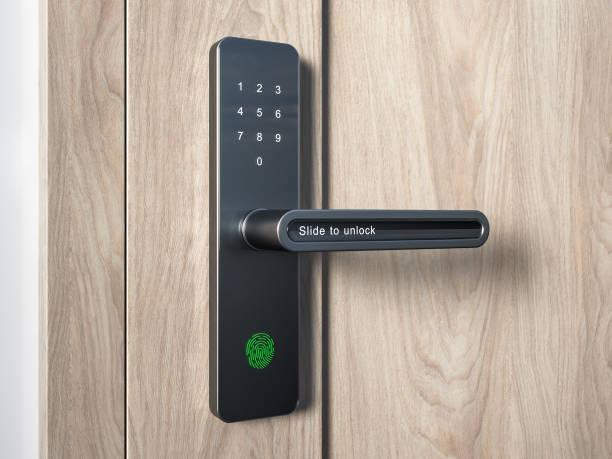
Source: iStock
ALT: Wooden door with fingerprint pad and keypad
Both biometric and keypad locks provide excellent convenience and secure tracking, being used in residential apartments, offices, and more data-sensitive environments.
Electric Bolt Locks
Electric bolt locks, also known as drop bolt locks or solenoid bolt locks, offer a discreet yet strong locking mechanism. Electric bolt locks enable a metal bolt to engage into the door frame when energized, which means the door is physically locked. Once access is granted, the bolt retracts and the door can swing open.
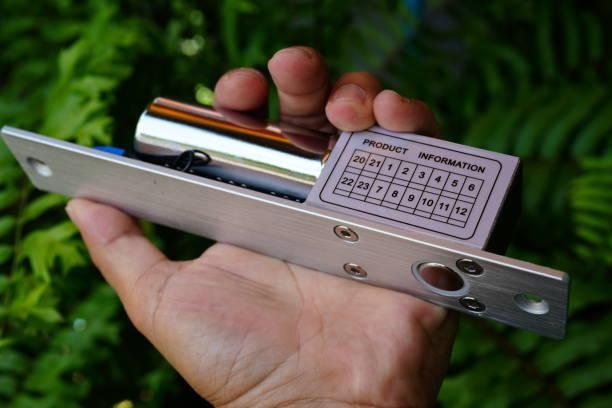
Source: iStock
ALT: Electric bolt door lock
Bolt lock technology is used for sliding doors, glass doors, and server cabinets, where other electronic lock systems typically don’t have room. Bolt locks provide high-precision locking technology and are commonly used for various forms of biometric readers, RFID, and access control panels.
Electric bolt locks typically function as fail-safe mechanisms, meaning the bolts will retract in the event of a power outage. These locks are preferred for their quiet functionality, sleek design, and remarkable durability in locking.
Radio Frequency Identification (RFID) Security Locks
RFID security locks are one of the most common electronic lock systems for door locks in hotels, offices, and shared access buildings. RFID locks work by reading a unique radio signal received from an RFID card, tag, or mobile device. The lock receives the signal data and allows or denies access according to predetermined access levels when an authorized credential is presented to the RFID reader.
The RFID technology itself is not limited to contact or line-of-sight operation, meaning access can be fast and seamless. It is also easy to reprogram missing or stolen cards to increase security without having to change the locks.
These types of electric locks are popular because of their ability to scale and integrate with a centralized access control system.
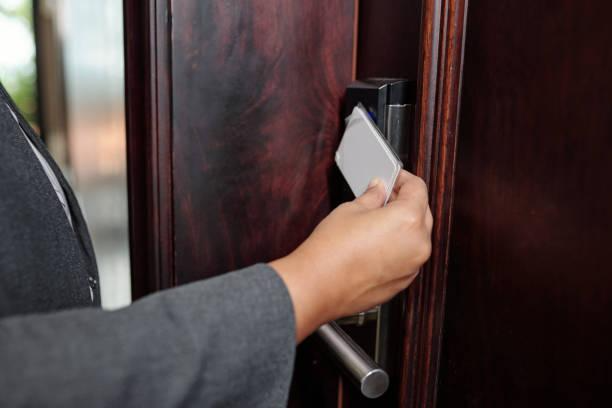
Source: iStock
ALT: Using a keycard, an RFID system, to manage access
Smart Locks (Wi-Fi/Bluetooth)
The Smart Lock utilises Wi-Fi and/or Bluetooth connectivity to provide remote access, monitoring, and management through smartphone apps or Cloud-based systems. Smart locks electronic lock systems cater to modern life that allow you to lock/unlock doors, receive alerts, and grant short and long-term access codes remotely via your mobile device. Bluetooth Smart locks connect to nearby smartphones, whereas Wi-Fi-enabled locks will allow users to communicate with the lock anywhere with internet access. Many have options for voice assistants, smart home integration, and 2-factor access authentication.
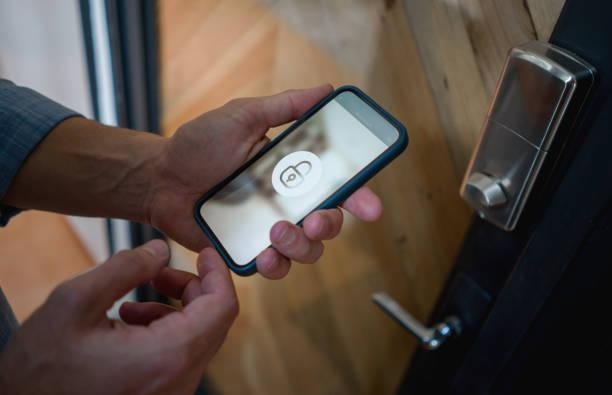
Source: iStock
ALT: Smart lock access being controlled by smartphone app
Smart locks are ideal for residential, Airbnb properties, and small businesses. Smart locks effortlessly combine technology and ease of use into everyday living.
Electronic Door Lock Safety
When we think about securing any environment, safety and security are more than just keeping people out; they also incorporate feasibility during times of power outages, emergencies, and day-to-day operations. Electronic lock systems for doors are built to not only allow for convenience and control, but also incorporate safety standards and regulations.
Undoubtedly, electronic lock systems are generally very safe, and often safer than mechanical lock alternatives. Many models allow encryption, multi-level authentication, and integration with alarm systems. The reliability of electronic systems is that they can track access, prevent unauthorized access, and configure users’ permissions.
As with the U.S. and Canada, electronic locking systems are regulated regarding safety and fire codes. In Europe, standards such as EN 14846 and EN 179 encompass the installation and performance of electric locks on fire doors and emergency exits. Established safety standards ensure lock releases are accomplished safely in an emergency and do not prevent egress. Installers and facility managers must also follow building codes in terms of safety and any accessibility requirements to ensure that all users can evacuate without hindrance, including users with disabilities.
Among the important safety issues inherent in electronic lock systems is the difference between “fail-safe” and “fail-secure.”
- Locks designed with fail-safe mechanisms will unlock in case of power outages. These are generally applied in scenarios where safety is the priority (such as in emergency exits, stairs, or fire doors), allowing evacuation of occupants even during power outages.
- Failure-secure locks, however, remain locked when there is no power, or the power supply is cut off. These are used in locations where security is the priority, like server rooms or data centers that must prevent unauthorized access during power outages.
The option is always based on the function of the door and life safety versus asset protection. The highest quality types of electric lock options, like those at EOS Secure, carry both options, which is a big advantage in meeting your security and compliance needs.
Advantages of Electronic Locks
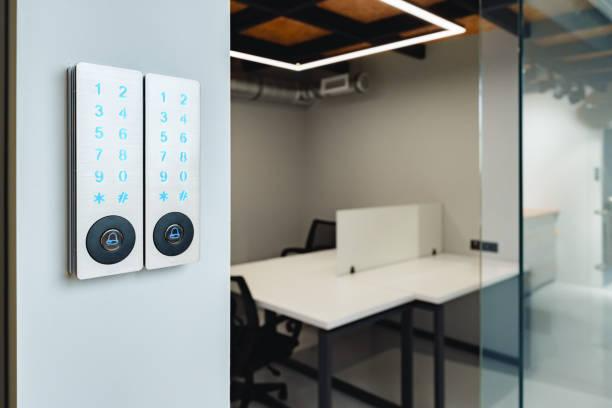
Source: Istockphotos
Alt Text: Electronic Digital Door Lock
In modern times, electronic door locks are changing the security sphere. Unlike conventional mechanical locks, electronic door locks use digital systems which allow easy access. Other advantages are;
- Improved Security
With the advancements in technology, electronic locks for doors provide a more excellent security. Compared to mechanical door locks, electronic lock systems offer unmatched security, allowing access to only authorized persons to restricted areas. Conventional keys can be stolen, lost, or worst still, duplicated, putting properties in danger of unauthorized access. Electronic lock for doors solves this challenge, enabling access to permitted individuals only.
- Toughness
Electronic lock systems for doors are usually more durable than mechanical locks. Mechanical locks can deteriorate after some time due to exposure to harsh conditions. Electronic locks are stronger. They are less affected by physical damage and have a longer life span. Due to its toughness, electrical doors resist harsh weather conditions.
- Easy Monitoring
This lock allows the surveillance of who goes in and out of buildings or properties. Electrical lock systems check through access history, user information, locking records, and codes used for them. If a door is accessed by a traditional lock, there’s no technology to trace who got the access. However, electronic lock systems can be observed. It helps property owners to track and query access history, enhancing property security.
- Access Management
Unlike mechanical locks, electronic locks are automated and do not need keys to be accessed. Electronic lock systems for doors manage the access to properties, allowing only authorized individuals. This offers unmatched comfort and enhanced security. Guests, visitors, contractors, colleagues, and trusted individuals can be given brief access without being physically present. Also, access can be denied without the need to keep keys or collect them.
- Cost Effectiveness
With mechanical locks, there will constantly be a need to make new keys each time someone needs one. It is costly and time-consuming to cut additional keys constantly. Electronic lock systems manage the access to properties, adding, changing, or removing authorized individuals. This is done without the need to make, saving unnecessary costs.
- Unparalleled Comfort
Electronic lock systems provide great ease in door access. Traditional door locks need physical keys to be found and used before access can be granted. In emergency situations, searching for keys might be frustrating. An electronic lock for doors removes the need for keys, saving effort and time.
Industry-Specific Solutions
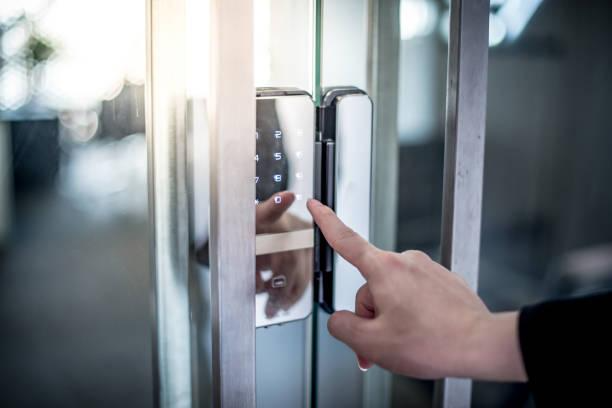
Source: Istockphotos
Alt Text: Pressing Down on Electronic Access Control Machine
Various types of electronic locking systems for doors are applied in many industries. These include;
- Medical Care
Hospitals use electronic lock systems to control access to restricted areas such as theatres, medication storage facilities, operating rooms, ICUs, laboratories, radiology units, patients’ record rooms, isolation rooms, emergency rooms’ restricted places, and electrical rooms. Electronic lock for door ensures only authorized individuals are granted access.
- Hospitality and Hotels
Through the use of codes or keycards, hotels manage the security and convenience of guests. Also, access is given to guests to their rooms using electronic locks. With electronic lock for door, a different record is used to save the business and movement of staff in the hotels: maids, chefs, and other staff.
- Offices
Workers and employers access buildings and offices without issues. Electronic lock systems improve security in workplaces allowing only authorized persons to restricted areas. Also, electronic lock systems keep records of working periods. When a worker uses the electronic lock for the door, the office system gets a door open alert. The system keeps the record of the time a worker arrives and when he leaves.
- Businesses
Electronic lock for doors manages access to restricted areas in commercial settings like storage rooms, server spaces, and top official offices. This lock system offers needed data for security and conformity purposes. Also, industries easily reprogram systems to allow changes in access management or property structure.
- Sport and Entertainment
In these industries, the sensor in electronic locks is used to produce a key card or electronic bracelet. The electronic bracelet or key card is used as an access ticket or a key to a personal room or a personal locker, and a form of electronic payment.
- Retail Stores
Retail businesses like grocery stores and malls use electronic lock systems to protect stores, back rooms, and other sensitive areas. They, also, help to adhere to safety rules by managing access to dangerous spaces, establishing emergency lockdown processes.
- Schools
Schools are important, but public places. Therefore, access management and control is needed. Electronic lock for the door ensures the safety of the students and staff of the school. This is achieved through the use of biometric authentication or school cards to access the school premises, classrooms, and staff offices.
- Power, Water, and Transportation
Electronic lock systems provide optimal security for equipment and infrastructures in these industries. Risky infrastructures like smart grids, electricity networks, and power stations should be allowed limited access. Electronic lock for door controls access to these equipment. Also, electronic lock systems regulate access to cargo shipping valuable goods, and pumps driving water distribution, to avoid theft and vandalism.
Emerging 2025 Trends
The rise in demand for security and innovation has propelled advancements in electronic door locks trends. The trends include;
- Cybersecurity Focus
With technological advancements, electronic locks for doors are not just for access, they embody intelligence systems. Different types of electronic locks now add tamper signals, autolock timers, secured communication, tracking records that are registered every exit and entry. As cyber criminals are increasing daily, electronic locks evolve using AES-256 encryption. It is made a standard for all networked electronic locks.
- Mobile-First Access
The universal presence of mobile phones has encouraged the invention of mobile phone access solutions. Through the use of mobile-friendly applications, property owners unlock doors with smartphones. 65% of new electronic lock systems support Apple HomeKey/Android. This allows convenience and synchrony with mobile-centric culture of present users.
- Sustainable Security
One of the significant trends in 2025 is sustainable security. Electronic lock systems are not an exception. To reduce atmosphere influences, producers are adopting the use of recyclable elements. Locks powered by solar are being used as sustainable alternatives. Electronic locks reduce battery waste by harnessing solar energy to function. Examples are solar-compatible maglocks.
- AI integration
AI-integrated electronic locks for doors are made to incorporate user patterns and habits. They control locking schedules. They detect anomalies such as forced entry attempts triggering cameras, and signal property owners about possible security risks.
Find a Reliable Electronic Lock Manufacturer
When it comes to protecting what you hold dear, who you choose to work with makes the difference. At EOS Secure, we do not simply sell electronic lock systems for doors; we help people and businesses feel confident, connected, and in control. With years of experience and a keen understanding of the multitude of the types of electric locks, our reputation has been built on quality engineering, reliability, and customer-first solutions.
Whether you are a residential user, facility manager, or security professional, we understand the responsibility you face to find electronic locking systems that are compliant, smart, scalable, and easy to use. That’s why we have the full range of products, from RFID to biometric to magnetic locks, to serve real-world environments with precision and care.
We do not believe in a one-size-fits-all approach. We believe in hearing you out, customizing your needs, and providing secure access you can trust from daily use. Take a look at our entire range of electronic lock systems and find out for yourself why EOS Secure is the manufacturer that people turn to when security counts.
Considerations to Choose the Right Electronic Doors
You might be wondering which is the best of electronic lock systems? There is no single answer to this question. The most suitable electronic lock is dependent on certain factors, as discussed below:
Purpose of Use
The most important factor to consider before opting for any kind of electronic lock system will be the application and/or the level of security demanded in a place. Magnetic locks and electric strikes have fail-safe mechanisms that make them useful in industrial and commercial facilities in the event of an emergency evacuation. If you’re up to revamping existing traditional doors that require greater durability due to high traffic, electric cylinder and mortise locks are an excellent choice.
Available Resource
Make sure you pick a locking system that suits your budget, bearing in mind the cost of future maintenance services. It is more cost-effective to use traditional locks for individual doors to rooms in your apartment and an electronic lock for general entry ways where top-level surveillance is critical. The energy requirements of electronic systems are an important factor that should be factored into your security budget.
Access Flexibility
Take into account how many users will require access to your facility. Commercial facilities like hotels are most likely to adopt RFID access card systems due to the frequent change of facility users. Master key cards also come in handy for hotel maintenance staff. Residential apartments with limited users can adopt biometric and keypad locks with passwords or recognition scans. Here, users know the password or already have their fingerprint or facial data integrated into the system.
Ease of Maintenance
Electronic locking systems require battery management, regular exterior cleaning and lubrication for electronic bolt locks and other electromechanical solutions, software and firmware updates to fix bugs, and system troubleshooting from time to time for optimal functionality. Professional expertise is required to maintain electronic doors in the event of major breakdowns. Some traditional locks, on the other hand, can be changed with minimal know-how.
Energy Efficiency
The energy requirements of electronic locking systems should be considered before making a purchase. Some systems use batteries while others require a direct power supply. Battery-operated locks are more energy efficient due to their minimal energy consumption. If you’re in need of a global supplier, EOS Secure offers sustainable and low-energy consumption products at competitive prices. Other models that require a direct power supply also have energy-saving features that help users reduce power costs.
Common FAQs
Still haven’t got your questions answered? Check out some FAQs below:
What is an Electronic Lock System?
Unlike mechanical locks, electronic lock systems are security doors with locking mechanisms that utilise electric signals rather than physical keys that can be duplicated, misplaced, or stolen to manage entry systems.
What’s the difference between electronic lock systems and electronic locking systems?
Slight differences exist between both terminologies; however, both electronic lock systems and electronic locking systems solely depend on electricity for their operation.
Electronic lock systems are individual doors, locks, or locking devices that grant or restrict access into a facility with the aid of electrical signals. Typical examples include key cards, keypads, biometric scans, passwords, key fobs, etc. On the other hand, electronic locking systems can be complex access management control panels and software, and other electronic elements that control access in a facility or several facilities.
What are the benefits of electronic doors over mechanical security solutions?
Fundamentally, the absence of physical keyholes in electronic doors in comparison to their traditional counterparts makes this solution less prone to picking or tampering, and unauthorized key duplicates. Electronic doors for locks are automated and operated by access control systems.
High-tech surveillance systems can be easily integrated with electronic doors, allowing for monitoring of who has access granted to or denied. In the event of multiple users during an event, access can be logged.
Mechanical locks face the challenge of cutting new keys when more users need access. Key-cutting is not only expensive but also time-consuming. With electronic solutions, automated systems can grant access to as many users without the need for physical keys. It also manages the risk of unauthorized access with duplicates.
Overall, with the advancement in technology, electronic locking systems provide excellent security compared to other locking mechanisms.
Are Electronic Doors Energy Efficient?
Most electronic doors are battery-operated; thus, they are sustainable and consume minimal power. Other sustainable alternatives are solar-compatible options like solar magnetic locks.
Which is the best type of electronic lock for doors?
The best or most effective electronic door lock is dependent on the application or security needs of your facility. If your facility or room restricts access to only a select few, adopting biometric or keypad locks will be most suitable. Electric bolt or solenoid locks are preferable in high-traffic locations where top-notch and reliable security is needed. Typical examples include sliding or double sliding doors of boutiques and commercial stores. If you’re still confused about the best solution for your facility, consult EOS Secure for expert opinion today.
Conclusion
High-tech security doors and systems have made their way into most homes, replacing mechanical options like tumbler and key locks. In this article, we’ve addressed eight types of electronic locking systems, from magnetic doors, RFID security systems, biometric and keypad locks, solenoid locks, and electric strikes; including their mode of operation; pros and cons; and factors to evaluate before installing an electronic door lock. Consult EOS Secure for certified electronic lock systems for commercial and residential purposes.
EOS Secure is China’s top producer and supplier of security systems. Our solutions serve diverse applications, including smart home locks with biometric recognition scans, hotel key card systems, etc. To enjoy competitive prices, seamless installation services, and after-sales support, contact EOS Secure today!