Why Fence Gate Locks Matter for Everyday Security
A fence gate is often the first physical boundary protecting property, people, and privacy. Without a reliable lock, that boundary remains incomplete. A properly selected gate lock helps prevent unauthorized access and supports everyday security with minimal ongoing effort.
This guide explains how to choose, install, maintain, and upgrade a fence gate lock. It also addresses common questions to help homeowners and small business operators make informed, practical security decisions.
How to Choose a Fence Gate Lock That Fits Your Property
Common Types of Fence Gate Locks and How They Differ
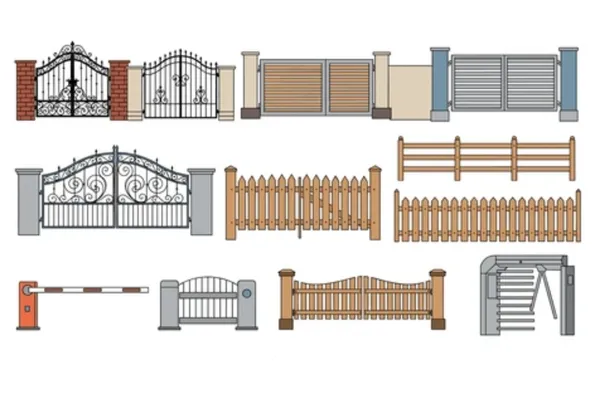
Different environments and usage patterns require different locking solutions. The most common options include:
Padlocks
Affordable and easy to install. They work with most standard gate latches and are commonly used for residential and light commercial fencing.
Combination locks
Keyless operation makes them practical for households or teams with multiple users. They reduce the risk of lost or duplicated keys.
Keypad and smart locks
These support PIN codes, fingerprints, or mobile access. They offer higher convenience and basic access management for shared or controlled spaces.
Deadbolt-style gate locks
Designed like door locks, they provide stronger resistance to forced entry. They are suited for locations with elevated security requirements.
Sliding bolts and hook-style locks
Simple mechanisms for low-risk or temporary applications. They provide basic restraint rather than long-term security.
Chain locks
Common on chain-link fencing or double-gate setups. They are usually combined with padlocks for perimeter control.
What to Consider Before Choosing a Fence Gate Lock
Selecting a fence gate lock involves more than convenience. Several practical factors influence long-term reliability and security.
Gate structure and swing direction
In-swing and out-swing gates require compatible lock designs to ensure proper engagement.
Outdoor exposure
Locks used outdoors should resist moisture, corrosion, and temperature fluctuations.
Required security level
High-traffic or visible areas require stronger protection than internal or low-risk zones.
User profile
Homes and businesses benefit from locks that are easy to operate while remaining dependable under regular use.
Professional insight
Lock performance depends not only on the outer housing but also on the precision of the lock cylinder. High-precision cylinders reduce the risk of picking and forced manipulation and form the core of effective outdoor locking systems.
How to Install a Fence Gate Lock Correctly
What to Check Before Installing a Fence Gate Lock
Before installing any lock, confirm that the gate itself supports secure locking.
- Ensure the gate frame and hinges are solid and not easily removed
- Check alignment between the gate and the post to prevent binding or misalignment
A lock cannot compensate for a weak or unstable gate.
Step-by-Step Fence Gate Lock Installation
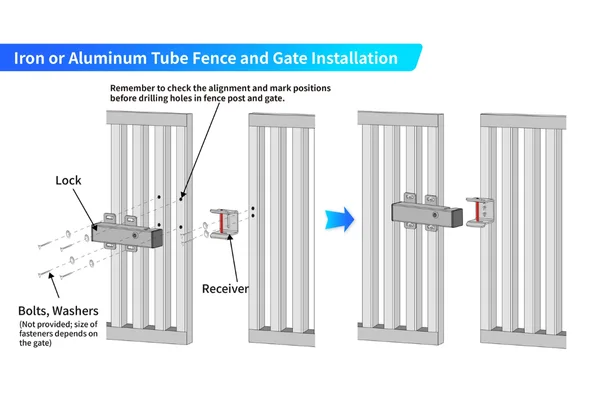
Follow a structured installation approach to achieve consistent results.
Measure and mark
Use the manufacturer’s guidelines to determine proper lock placement.
Drill and secure
Drill straight holes using the correct bit size and fasten all components firmly.
Install the lock body
Confirm that the latch and strike align smoothly without resistance.
Test and adjust
Operate the lock multiple times to ensure consistent engagement and release.
Common Installation Issues and Solutions
Latch does not engage
Adjust gate alignment or hinge positioning.
Bolt misalignment
Fine-tune the strike plate position or use shims if necessary.
Loose lock body
Tighten fasteners or add anti-loosening washers.
Professional insight
When installation requires structural modification, professional assistance helps preserve lock performance and service life. This is especially important for systems using high-precision cylinders, where alignment directly affects durability and security.
Maintaining and Upgrading Your Fence Gate Lock Over Time
Simple Maintenance Tips for Outdoor Gate Locks
Outdoor locks require regular care to maintain reliability.
- Clean exterior surfaces and internal components to remove dirt and debris
- Lubricate cylinders and moving parts quarterly using lock-specific lubricants
- Inspect screws and mounting points for corrosion or loosening
When to Upgrade a Fence Gate Lock
Consider upgrading when:
- The lock shows rust, stiffness, or mechanical wear
- Security needs increase due to property changes or new assets
- The lock design becomes outdated or vulnerable
- Keys or access codes have been shared beyond trusted users
Building Better Security Habits
- Check gate locks regularly, especially after business hours
- Train all authorized users on proper locking procedures
- Store spare keys securely and away from the gate
- Combine physical locks with cameras or motion sensors when appropriate
FAQ
What is the best type of lock for outdoor use?
Outdoor gate locks should be designed specifically for exterior environments. Look for corrosion-resistant materials such as stainless steel or treated alloys, along with sealed housings. A well-engineered lock cylinder improves resistance to moisture, dirt, and temperature changes, helping ensure reliable long-term performance.
Do combination locks fail in rain?
High-quality outdoor combination locks are typically weather-sealed and built to handle rain and humidity. Prolonged exposure can still affect performance. Adding a small cover or shield reduces direct water contact and helps extend service life in harsh conditions.
Can outward-swinging gates use most locks?
Yes, outward-swinging gates can use many standard gate locks. The key is selecting a model designed for outward installation or one with adjustable latch orientation. Proper alignment during installation ensures smooth operation and reduces premature wear.
How can locks resist tampering?
Locks resist tampering through reinforced housings, protected mechanisms, and complex cylinder designs. Features such as anti-pick pins, drill-resistant components, and tight tolerances increase the effort and time required for forced entry.
What if the lock cylinder rusts?
Light surface corrosion can often be addressed with a lock-specific lubricant and repeated operation. If corrosion affects internal components or causes stiffness, replacing the cylinder is recommended. Severely corroded cylinders can fail unexpectedly and compromise security.
What happens if a smart lock loses power?
Most smart gate locks include backup options such as emergency power ports or mechanical override keys. Regular battery checks and scheduled replacement help prevent access interruptions in shared or high-traffic environments.
Are pool fence gates different?
Yes. Pool fence gates often must meet local safety regulations that require self-closing and self-locking mechanisms. Locks are typically installed at a height beyond child reach. Always confirm local codes before selecting or installing a pool gate lock.
Can locks be installed without drilling?
Some gate locks use clamp-style or wrap-around mounting systems that do not require drilling. These solutions work best on rigid gate frames. Always confirm the gate can support the load and that the lock remains stable during regular use.
What is the best way to lock a fence gate?
The most effective approach combines a stable gate, proper latch alignment, and a lock suited to the environment. Outdoor-rated locks with durable cylinders provide stronger long-term security. Installation quality and maintenance are just as important as lock selection.
How can you prevent a gate from being stolen?
Preventing gate theft starts with securing hinges and mounting hardware. Use tamper-resistant fasteners and ensure hinge pins are not exposed. Pairing a quality gate lock with solid construction discourages removal and opportunistic theft.
Final Tips on Choosing and Buying a Fence Gate Lock
Choosing a fence gate lock requires balancing security, usability, and environmental durability. A structured approach helps reduce long-term risk.
- Define security needs and usage patterns
- Select a lock type suited to the environment
- Prioritize cylinder quality as the core security component
- Install carefully and test thoroughly
- Maintain regularly to extend service life
- Upgrade when risks or requirements change
When purchasing, consider:
- Specialized hardware or security suppliers
- Manufacturer-direct or authorized online stores
- Vendors offering installation support and warranty coverage
Always verify weather ratings, safety certifications, and after-sales support before buying.
Why Precision Engineering Matters in Gate Lock Security
Precision engineering plays a key role in long-term gate and perimeter security. EOS SECURE specializes in high-precision lock cylinders, mechanical locks, and electronic locking systems designed for residential, commercial, and access control applications. Operating since 2011, EOS SECURE develops products that meet international standards such as EN1303 and SKG while supporting reliable OEM and customized security solutions.
For businesses and property owners seeking stable performance and scalable protection, professionally engineered locking systems provide a dependable foundation.
Explore EOS SECURE solutions to strengthen long-term fence and perimeter security.