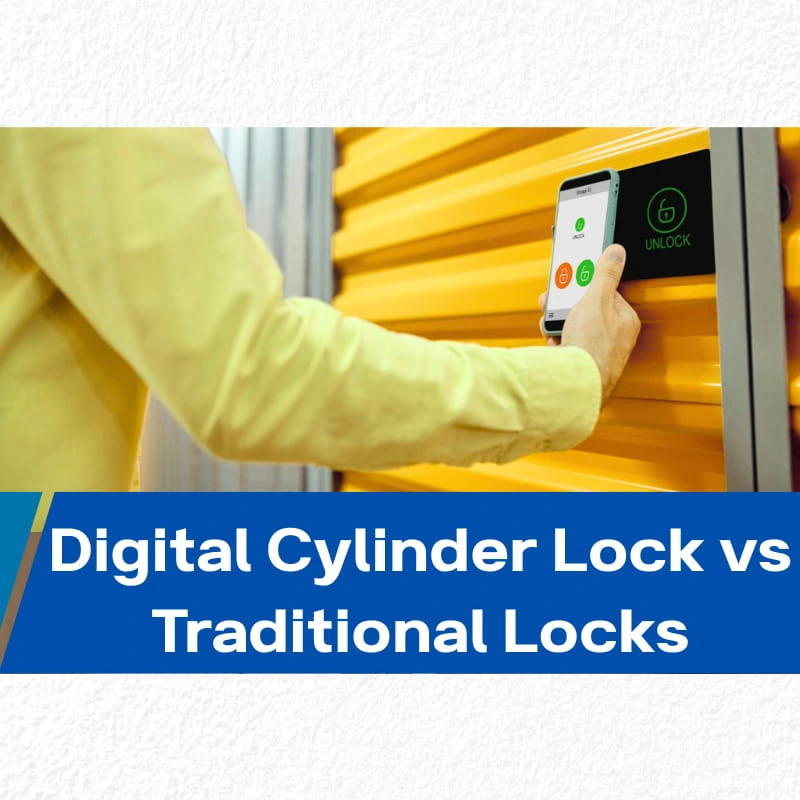
Why Traditional Lock Systems Fail in Business Environments
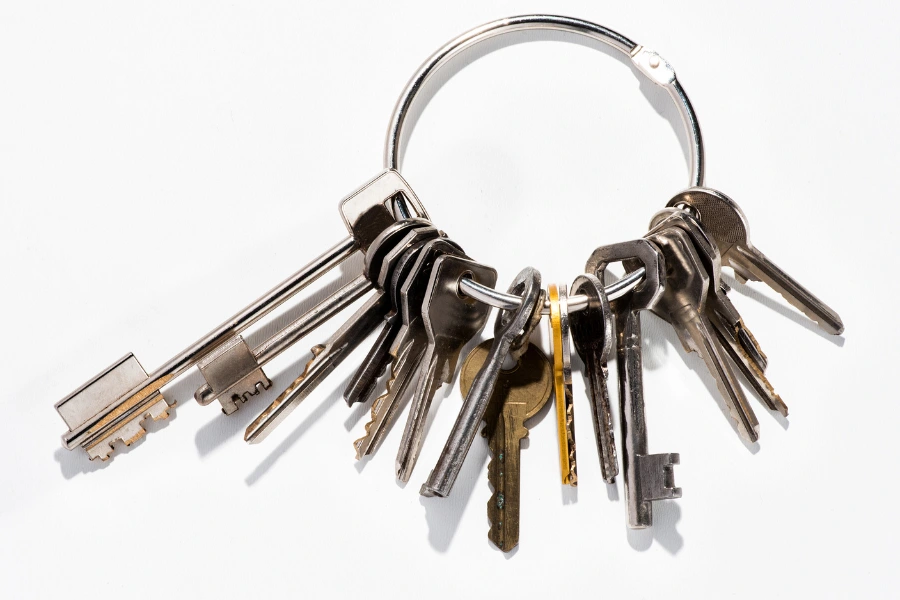
Many small businesses still rely on physical keys to manage access. This approach creates risks that are often overlooked until something goes wrong.
Common challenges include:
- Lost or duplicated keys that cannot be tracked
- No visibility into who accessed a door and when
- Costly lock replacements when staff leave
- Limited control across multiple doors or locations
Traditional locks were originally designed for single-user environments. They do not scale well for businesses with multiple employees or access points.
These limitations reduce both security and operational efficiency.
Businesses need a smarter way to manage access without increasing complexity.
What Is a Digital Cylinder Lock and Why It Matters for Businesses
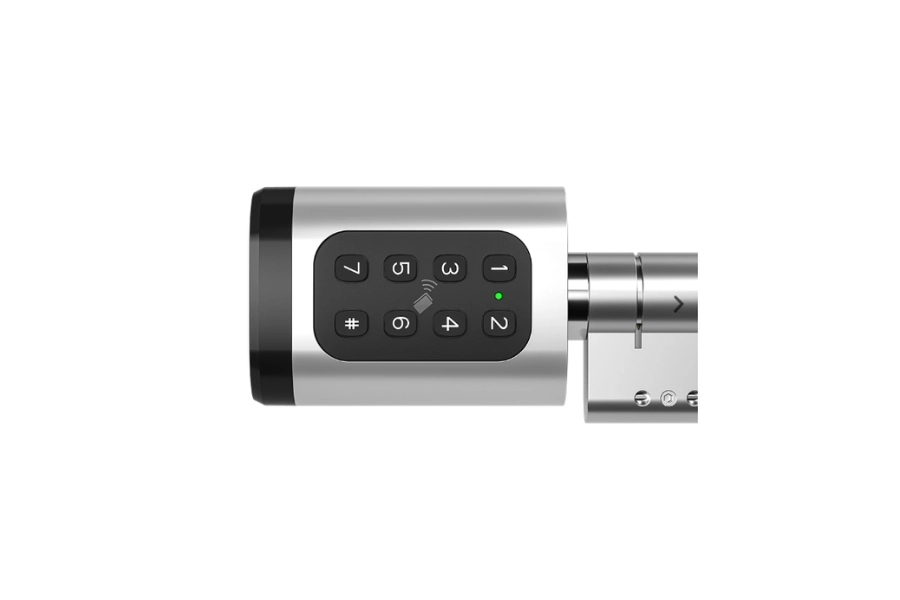
A digital cylinder lock is an access control solution that combines a mechanical lock cylinder with electronic authentication.
It replaces the need for physical keys with digital credentials such as mobile apps, PIN codes, or cards.
Unlike full smart lock systems, digital cylinder locks are designed to:
- Fit directly into existing doors
- Upgrade security without replacing the entire lock
- Maintain familiar hardware while adding smart functionality
Most smart locks on the market are designed for residential use. They often lack the flexibility required for multi-user access control.
Digital cylinder locks address this gap by providing scalable, business-ready access management without changing existing infrastructure.
How Digital Cylinder Locks Work in Real Access Control Scenarios
Digital cylinder locks operate through a simple but effective system that connects user input to physical locking action.
Core components
- Mechanical cylinder, provides secure physical locking
- Electronic motor, replaces manual key rotation
- Communication module, receives access commands via Bluetooth or network
Basic workflow
- A user sends a command using a phone, keypad, or credential
- The system verifies the authorization
- The motor turns the internal mechanism
- The door locks or unlocks
This process happens in seconds and requires no physical key.
It reduces delays in daily operations, especially in environments where multiple users need controlled access.
When connected to a broader system, the lock can also support remote control and automation.
This allows managers to handle access without being physically present, improving response speed and operational flexibility.
Key Features That Improve Access Control for Businesses
Digital cylinder locks are not just about convenience. Each feature directly improves how a business manages security.
Keyless entry
Removes the need for physical keys, reducing the risk of loss and unauthorized duplication.
This eliminates the cost and disruption of replacing locks when keys go missing.
Remote management
Allows business owners or managers to control access without being onsite.
This is especially useful for multi-location businesses or after-hours access control.
Access permissions
Different users can be assigned specific access rights based on roles or schedules.
This ensures employees only access the areas they are authorized to enter.
Audit logs
Every access event is recorded, providing visibility into who entered and when.
This supports internal accountability and simplifies incident investigation.
Temporary credentials
Short-term access can be issued to contractors, delivery personnel, or service staff.
This avoids sharing permanent credentials and reduces long-term security risks.
These features transform a lock into a centralized access control tool for daily operations.
Digital Cylinder Lock vs Traditional Lock Systems
The difference between traditional locks and digital cylinder locks goes beyond convenience. It directly impacts how access is managed across a business.
| Feature | Traditional Lock | Digital Cylinder Lock |
|---|---|---|
| Access method | Physical key | App, PIN, or credential |
| Key management | Manual and limited | Centralized and flexible |
| Security visibility | None | Real-time access logs |
| Scalability | Difficult to expand | Easy to manage across locations |
| Replacement cost | High when keys are lost | Minimal, credentials can be updated |
Traditional systems require physical control of keys.
Digital systems allow centralized control of permissions.
For growing businesses, this shift improves both security oversight and operational efficiency.
Best Use Cases for Digital Cylinder Locks in Business
Digital cylinder locks are designed for environments where access needs to be controlled, tracked, and updated regularly.
Retail stores
Managers can assign time-based access to staff for opening and closing.
This reduces reliance on shared keys and improves accountability.
Offices
Access permissions can be adjusted instantly when roles change or employees leave.
This avoids the need for rekeying and reduces security gaps.
Rental and property management
Temporary access can be issued to tenants, cleaners, or maintenance staff.
Permissions can be removed remotely without requiring on-site coordination.
Warehouses and facilities
Multiple zones can be secured with different access levels.
Managers can monitor entry activity without manual supervision.
These scenarios highlight how digital access control supports both security and operational control.
Why Digital Cylinder Locks Are Easy to Install and Retrofit
One of the key advantages of digital cylinder locks is how easily they integrate into existing setups.
- Compatible with standard euro cylinder systems
- No need to replace doors or major hardware
- Minimal installation time, often completed with basic tools
- Suitable for retrofit projects and upgrades
Unlike full smart lock systems, there is no need to redesign the door or locking structure.
This significantly reduces upgrade costs and downtime.
Businesses can modernize security without interrupting daily operations.
How to Choose the Right Digital Cylinder Lock for Your Business
Selecting the right solution depends on your security needs and operational requirements.
Security standards
Look for compliance with recognized standards such as EN1303 or SKG.
These certifications indicate resistance to drilling, picking, and forced entry.
Encryption and data protection
Ensure the system uses secure communication protocols.
This protects credentials from interception or duplication.
Access flexibility
Choose a system that supports multiple credential types and user roles.
This allows the system to adapt as your business grows.
Power and backup
Check battery life, low-power alerts, and emergency access options.
Reliable power management ensures uninterrupted operation.
System compatibility
Confirm integration with your existing access control or smart building system.
This avoids isolated systems and supports centralized management.
The right system should strengthen security while simplifying management.
Upgrade Your Access Control with Digital Cylinder Locks
Digital cylinder locks provide a practical way to upgrade security without replacing existing infrastructure.
They simplify access control, improve visibility, and support scalable management across different business environments.
For small businesses and commercial users, this approach offers a balance of security, efficiency, and flexibility that traditional locks cannot match.
Explore EOS SECURE solutions to strengthen your business security.
For businesses upgrading to digital cylinder-based access control, reliability and compatibility are critical. Systems must integrate with existing doors while maintaining consistent performance across daily use.
EOS SECURE delivers precision-engineered mechanical and electronic lock cylinders backed by more than a decade of manufacturing expertise. Established in 2011, our factory operates under ISO9001 and ISO14001 certifications, ensuring every product meets rigorous international standards including EN1303 and SKG. With over 50 advanced Swiss-type CNC automatic lathes and integrated machining centers, we manufacture high-quality lock cylinders designed for both mechanical durability and smart system integration.
Whether you are managing offices, retail spaces, or multi-site facilities, EOS SECURE provides scalable, reliable solutions that support long-term security and operational efficiency. Secure your business with solutions built for stability and control.