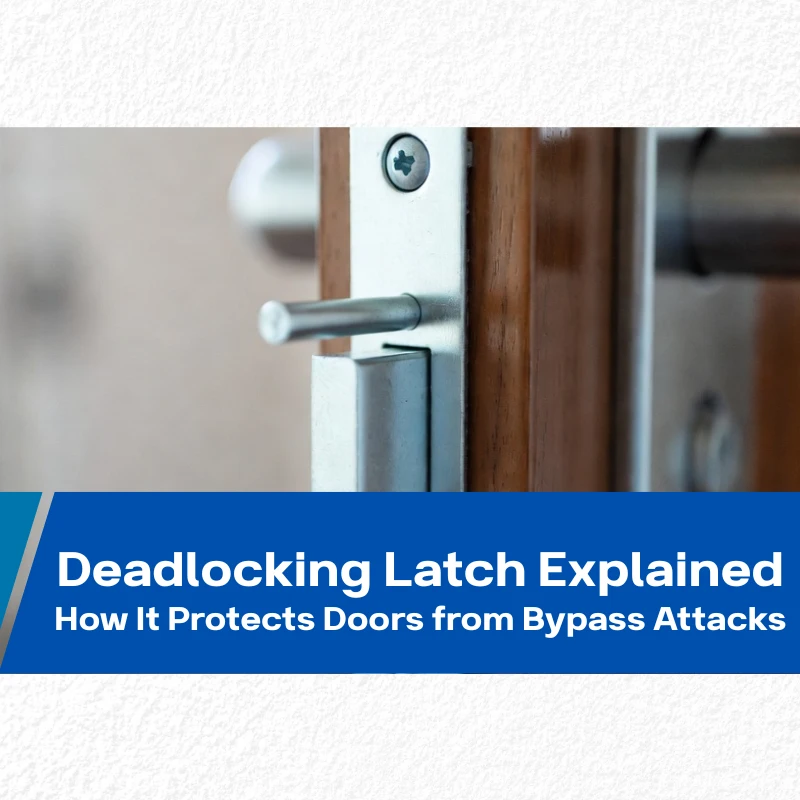
Door security often depends on small mechanical details that many people never notice. One of the most important of these details is the deadlocking latch. This mechanism is commonly used in residential and commercial door locks, yet many building owners are unaware of how it works or why it matters.
A properly functioning deadlocking latch prevents a door from being opened using simple bypass tools such as a plastic card or thin screwdriver. Without this protection, even a solid door and high-quality lock cylinder can be compromised in seconds.
Understanding how deadlocking latches work helps property owners choose better locks, avoid installation mistakes, and improve everyday security.
What Is a Deadlocking Latch and Why It Matters
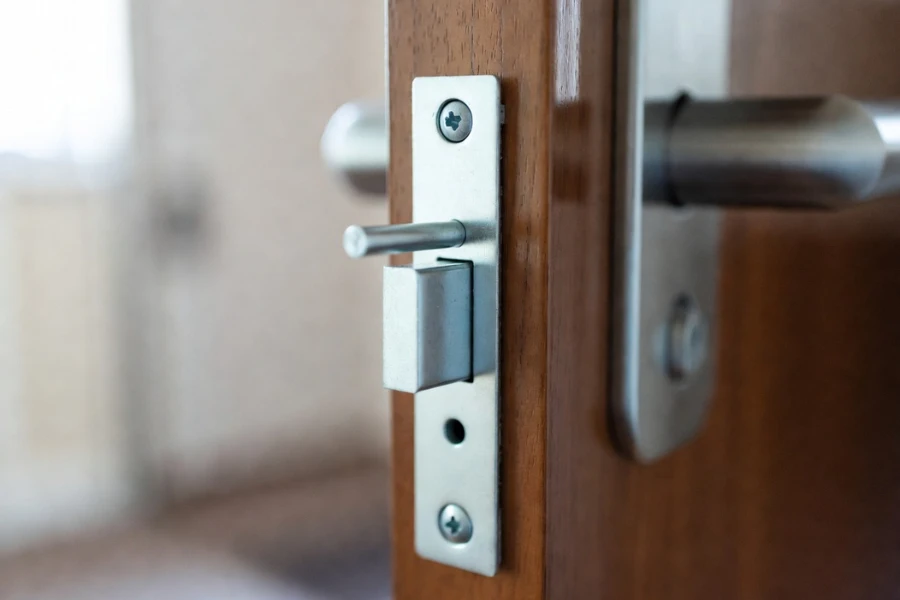
A deadlocking latch is a latch mechanism designed to prevent the latch bolt from being pushed back when the door is closed. It includes an additional component known as a deadlocking plunger or auxiliary latch.
When the door closes, this plunger is pressed by the strike plate mounted on the door frame. Once pressed, it locks the latch bolt in place so that it cannot be pushed back by external pressure.
This design prevents common bypass techniques that exploit standard spring latches.
In simple terms:
A deadlocking latch combines the convenience of a spring latch with added protection against forced entry.
Many commercial and residential locksets include this feature because it significantly improves security without changing how the door is used.
How a Deadlocking Latch Secures a Closed Door
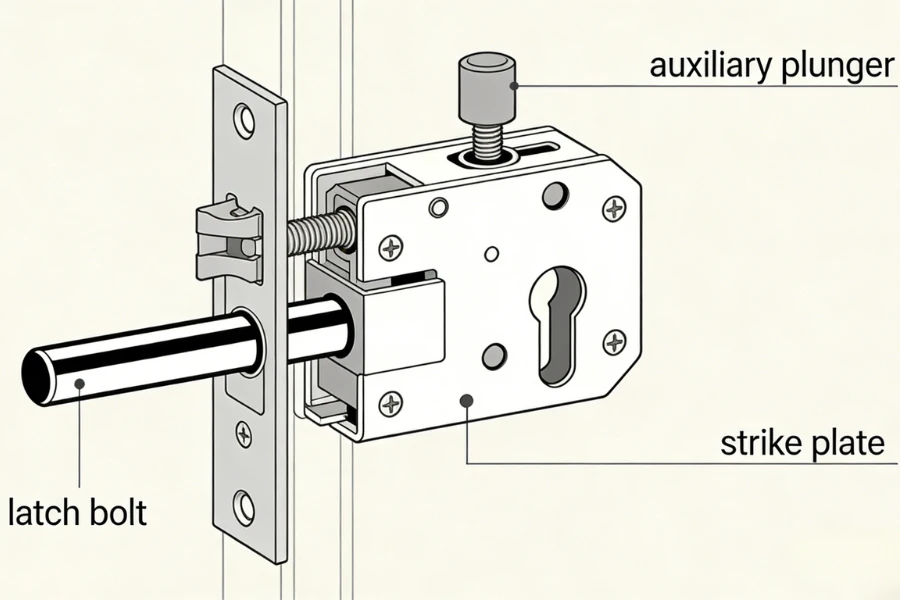
A deadlocking latch operates through a simple mechanical interaction between the latch bolt, the deadlocking plunger, and the strike plate.
What Happens When the Door Closes
When the door closes, several mechanical steps occur.
- The beveled edge of the latch bolt contacts the strike plate.
- The bolt compresses temporarily as the door closes.
- The bolt springs forward into the strike plate opening.
- The deadlocking plunger is pressed inward by the strike plate.
Once the plunger is pressed inward, it blocks the internal mechanism that would normally allow the latch bolt to retract.
At this stage, the latch bolt becomes effectively locked in place.
This prevents the bolt from being pushed back by external pressure.
How the Door Unlocks
Opening the door requires mechanical action from the lock system.
Typically this happens through one of the following methods:
- Turning a key in the cylinder
- Rotating an interior thumbturn
- Operating a door handle connected to the latch mechanism
When the cylinder rotates, it drives a cam inside the lock body. The cam transfers motion to the latch mechanism, retracting the latch bolt and allowing the door to open.
This controlled retraction ensures that only authorized users can open the door.
The Parts That Make a Deadlocking Latch Work
Understanding the individual components helps explain why this mechanism improves door security.
Latch Bolt – The Part That Holds the Door Closed
The latch bolt is the primary component that holds the door closed.
Characteristics include:
- A beveled edge that allows automatic retraction when closing the door
- Spring-loaded movement for smooth operation
- A metal construction designed to resist wear
When the door closes, the latch bolt extends into the strike plate opening in the door frame.
This physical engagement keeps the door shut.
Deadlocking Plunger – The Feature That Stops Card Attacks
The deadlocking plunger is the key security feature of the system.
This small metal pin sits next to the latch bolt and moves independently. When the door closes, the strike plate presses the plunger inward.
Once the plunger is depressed, the internal mechanism prevents the latch bolt from retracting.
This means the bolt cannot be pushed back using tools inserted between the door and the frame.
The deadlocking plunger is what stops common “credit card” attacks.
Strike Plate – The Frame Component That Activates the Lock
The strike plate is mounted on the door frame and receives the latch bolt when the door closes.
Its design is critical to the correct operation of the deadlocking latch.
The strike plate must:
- Provide an opening for the latch bolt
- Position the plunger correctly
- Maintain tight alignment with the door
If the strike plate opening is too large or incorrectly positioned, the deadlocking plunger may not engage properly.
Cylinder and Cam – How the Lock Controls the Latch
The cylinder is the component that receives the key.
When the key turns, it rotates a cam inside the lock mechanism. This cam transfers motion to the latch assembly and retracts the latch bolt.
This interaction allows the door to unlock while maintaining security when the door is closed.
Why Deadlocking Latches Improve Door Security
Deadlocking latches offer several security advantages that standard spring latches cannot provide.
Prevents Credit Card Entry
Standard spring latches can often be bypassed by sliding a plastic card between the door and frame.
Because the latch bolt has a beveled edge, the card can push the bolt back into the door.
A deadlocking latch prevents this.
Once the plunger is engaged, the latch bolt cannot retract from external pressure.
Improves Resistance to Forced Entry
An intruder attempting to open a door with a deadlocking latch must apply much greater force.
Instead of slipping a simple tool into the gap, the attacker would need to damage the latch bolt, strike plate, or door frame.
This increases the time required to break in and raises the likelihood of detection.
Supports Everyday Security
Deadlocking latches provide continuous protection without requiring extra user actions.
Users simply close the door, and the mechanism engages automatically.
This makes it ideal for:
- offices
- retail stores
- warehouses
- residential doors
Enhances Durability
Deadlocking latch mechanisms are designed for repeated use and tend to wear more slowly than basic latch systems.
High-quality designs use durable metals and precision machining to maintain consistent performance.
Deadlocking Latch vs Standard Spring Latch – What Is the Difference
Understanding the difference between these mechanisms helps explain why the deadlocking feature is important.
| Feature | Standard Spring Latch | Deadlocking Latch |
|---|---|---|
| Latch retraction | Automatic | Controlled |
| Card bypass risk | High | Prevented |
| Security level | Basic | Higher |
| Typical use | Interior doors | Entry and security doors |
A standard spring latch focuses on convenience.
A deadlocking latch adds security without sacrificing ease of use.
Installation Mistakes That Can Disable a Deadlocking Latch
Even the best latch design can fail if installed incorrectly.
Many security assessments reveal that door hardware is compromised by installation errors rather than design flaws.
Strike Plate Openings That Are Too Large
If the strike plate opening is oversized, the deadlocking plunger may extend fully instead of being pressed inward.
This allows the latch bolt to be pushed back using simple tools.
Door Gaps That Prevent Plunger Engagement
A large gap between the door and frame may prevent the plunger from contacting the strike plate.
Without this contact, the deadlocking feature never activates.
Misaligned Lock Hardware
Improper alignment between the latch bolt and strike plate can prevent the latch from extending fully.
This reduces both security and reliability.
Worn or Broken Deadlocking Plunger
Over time, low-quality hardware may suffer from worn springs or damaged plungers.
If the plunger cannot move correctly, the latch bolt may retract under pressure.
Regular inspection helps identify this issue.
Where Deadlocking Latches Are Commonly Used
Deadlocking latches are widely used across different building types.
Residential Entry Doors
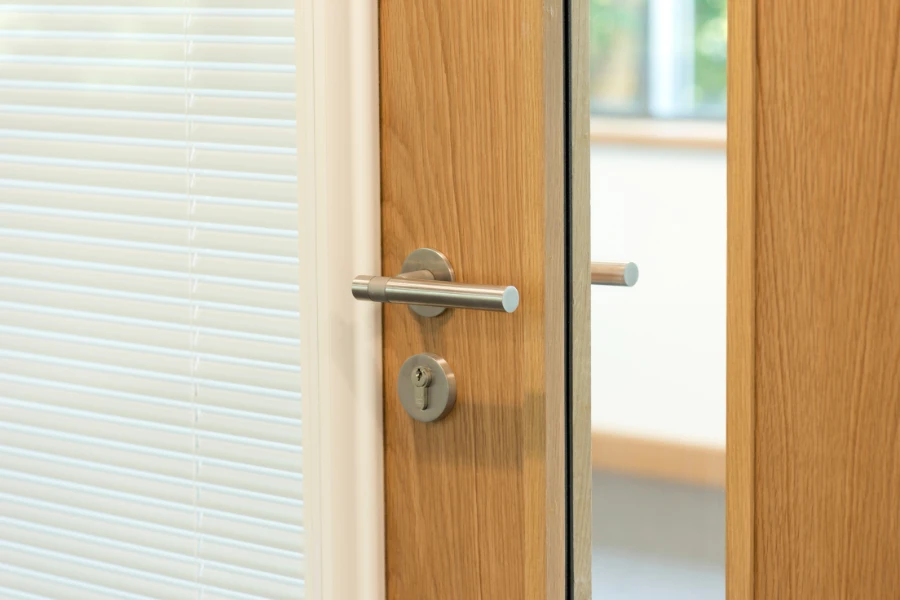
Many residential locksets include deadlocking latches to prevent simple bypass attempts.
They provide everyday protection without changing how the door operates.
Commercial Office Doors
Offices benefit from deadlocking latches because they reduce the risk of unauthorized entry after business hours.
Retail Stores
Retail environments often rely on latch mechanisms combined with deadbolts.
Deadlocking latches provide an extra layer of protection when the door is closed but not fully deadbolted.
Access-Control Doors
Deadlocking latch systems are often integrated with electronic access control hardware.
Even when electronic locks are installed, the mechanical latch must still resist bypass attempts.
How to Choose the Right Deadlocking Latch for Your Door
Choosing the correct latch system depends on several factors.
Matching the Latch to Your Door Type
Different doors require different hardware.
Common door materials include:
- wood
- metal
- aluminum frames
The latch assembly must match the door thickness and lock type.
Checking Security Certifications
High-quality lock systems often meet international security standards such as:
- EN1303
- SKG
- ANSI security grades
These certifications indicate resistance to drilling, manipulation, and forced entry.
Planning for Access Control and Smart Locks
Modern businesses may require additional access features such as:
- master key systems
- keyless entry
- smart lock integration
- audit logging
Mechanical deadlocking latches still play a critical role in these systems.
Choosing Reliable Lock Manufacturers
Precision manufacturing improves both reliability and security.
Quality lock manufacturers ensure consistent plunger engagement, proper latch alignment, and long-term durability.
Simple Installation and Maintenance Tips
Correct installation ensures the deadlocking latch works as intended.
Important recommendations include:
- Use a correctly sized strike plate
- Ensure the door closes fully
- Align the latch bolt and strike plate precisely
- Inspect the plunger regularly
A simple functional test can confirm proper operation.
With the door open, press the deadlocking plunger inward and attempt to push the latch bolt.
If the bolt retracts easily, the deadlocking function may not be working correctly.
Conclusion
A deadlocking latch may be a small component, but it plays a critical role in door security. By preventing the latch bolt from being pushed back, it eliminates one of the most common lock bypass methods.
Understanding how this mechanism works allows property owners and businesses to choose better hardware, install locks correctly, and maintain stronger physical security.
EOS SECURE delivers precision-engineered mechanical and electronic lock cylinders backed by more than a decade of manufacturing expertise. Established in 2011, our factory operates under ISO9001 and ISO14001 certifications, ensuring every product meets rigorous international standards including EN1303 and SKG. With over 50 advanced Swiss-type CNC automatic lathes and integrated machining centers, we manufacture high-quality lock cylinders trusted by clients across industries worldwide. Whether you need small-batch customization or large-scale production, EOS SECURE provides reliable performance, consistent quality, and dependable technical support. Secure your business with solutions built for long-term stability — contact us today.