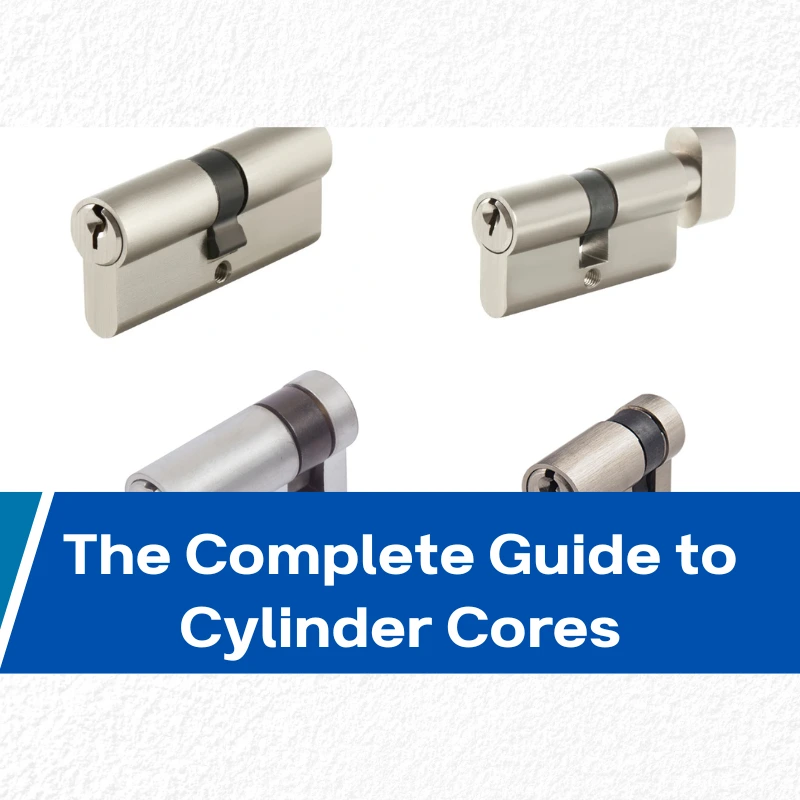
What Is a Cylinder Core in a Door Lock
A cylinder core is the central mechanism inside a door lock that recognizes the correct key and controls whether the lock opens or stays secured.
Inside the cylinder core is a pin-tumbler mechanism that interacts with the key. When the correct key aligns the internal pins at the shear line, the plug rotates and activates the lock bolt.
Because it controls how the key interacts with the lock, the cylinder core is the most important security component in a mechanical door lock system.
Modern cylinder cores have evolved from simple mechanical designs to advanced security components with anti-snap protection, anti-drill reinforcement, and pick-resistant pin systems.
EOS SECURE has specialized in precision-engineered lock cylinders since 2011. Our portfolio includes mechanical cylinders, master key systems, high-security cylinders, and smart electronic cylinders designed for reliable door security worldwide.
Where Cylinder Cores Are Used in Door Security
Cylinder cores are widely used across residential, commercial, and institutional doors. Their modular design allows them to work with many door lock bodies while keeping the key mechanism separate.
This separation allows security upgrades without replacing the entire lock. Businesses can replace the cylinder when keys are lost or security requirements change.
Common applications include
- retail store entrances and back doors
- office access points and meeting rooms
- warehouses and storage facilities
- apartment and rental property doors
- schools, hospitals, and public buildings
For small businesses, cylinder-based locks provide a simple way to manage access control. Managers can assign keys or credentials to staff while maintaining centralized control over sensitive areas.
Common Types of Cylinder Cores
By Operation Method
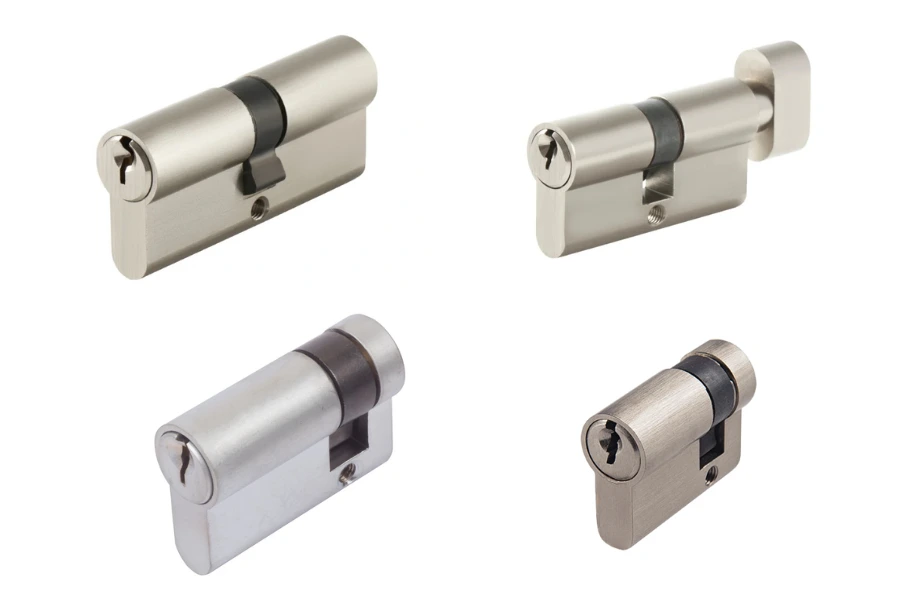
Double cylinder locks require a key on both sides of the door. These are often used on doors with nearby glass panels to prevent intruders from breaking the glass and unlocking the door from the inside.
Single or half cylinders use a key on only one side and a fixed surface on the other. They are commonly used for garages, cabinets, and storage rooms.
Thumbturn cylinders combine a key on the outside with a thumbturn knob inside. This allows quick exit without a key while maintaining secure access from outside.
Half thumbturn cylinders combine one thumbturn side with a key or blind side, often used in office spaces and privacy-focused environments.
By Installation Format
Euro cylinders are the most widely used cylinder format in Europe. They are commonly installed in uPVC doors, wooden doors, and composite doors and are secured with a single fixing screw.
Oval cylinders are less common and usually found in older building systems or specific regional lock hardware.
Interchangeable core cylinders are designed for commercial environments where cylinders need to be replaced quickly without removing the entire lock.
Small format interchangeable cores are widely used in North America and follow standardized dimensions that allow compatibility across many lock brands.
Large format interchangeable cores are typically brand-specific and provide higher customization for commercial security systems.
By Security Level
Standard cylinders use basic pin-tumbler designs and are usually suitable for interior doors or low-risk environments.
High-security cylinders include additional protection features such as anti-snap protection, anti-drill reinforcement, pick-resistant pins, and bump resistance. These cylinders are commonly certified under standards such as TS007 or EN1303.
How a Cylinder Core Works Inside a Lock
Main Parts Inside a Cylinder Core
The internal mechanism of a cylinder core is based on the pin-tumbler system.
Inside the cylinder are multiple pin chambers containing key pins, driver pins, and springs.
When the correct key is inserted, the key cuts raise each pin pair to the correct height. This aligns the pin gaps at the shear line between the plug and the cylinder housing.
Once the shear line is clear, the plug can rotate and activate the lock cam or bolt.
Pin Numbers and Security
The number of pins inside a cylinder directly affects the number of possible key combinations.
Five-pin cylinders are commonly used for interior doors.
Six-pin cylinders increase key variation and are recommended for exterior doors.
Seven-pin or higher configurations are typically found in high-security systems or interchangeable core designs.
Key Security Technologies
Anti-snap protection adds a controlled break point in the cylinder. If the cylinder is attacked with force, the front section breaks away while the internal locking mechanism remains secure.
Anti-drill protection uses hardened steel inserts to resist drilling attacks.
Anti-pick pins use special shapes to make manipulation more difficult.
Anti-bump designs prevent lock opening using bump keys.
Cylinder Core Security Standards Explained
Several international standards evaluate the safety and durability of cylinder cores.
TS007 star rating is widely used in the United Kingdom.
A 1-star cylinder provides basic protection and typically requires a 2-star security handle to reach full protection.
A 3-star cylinder provides complete protection against snapping, drilling, picking, and bumping.
BS 3621 is another UK standard commonly required by insurance providers.
EN1303 is the main European testing standard covering durability, corrosion resistance, and key security.
SKG certification is widely recognized in the Netherlands and rates cylinders according to burglary resistance.
EOS SECURE cylinders are designed according to international standards including EN1303 and SKG. These certifications ensure reliable performance and long-term door security.
How to Choose the Right Cylinder Core for Your Door
Door Type and Material
External doors require high-security cylinders with anti-snap and anti-drill protection.
Doors with nearby glass panels should use double cylinder locks to prevent reach-through attacks.
Interior doors can typically use standard five-pin cylinders.
Most modern doors such as uPVC, aluminum, composite, or wooden doors support Euro cylinder formats.
Security Needs
Residential users often choose certified high-security cylinders that meet insurance requirements.
Commercial buildings frequently use interchangeable core systems to allow fast cylinder replacement when staff changes occur.
Short-term rental properties and smart homes increasingly use electronic cylinder systems that allow digital access management.
Measuring Cylinder Size
Measuring the cylinder length correctly is essential before replacement.
First remove the fixing screw located on the door edge.
Measure from the center screw hole to each end of the cylinder.
If both sides are equal, the cylinder is symmetrical.
If the two sides differ, the cylinder is offset.
The total cylinder length equals the sum of both measurements.
Cylinder ends should align with the door hardware surface. Excessive protrusion increases the risk of snapping attacks.
Convenience Options
Keyed alike systems allow multiple locks to be opened using the same key.
Master key systems allow hierarchical access control where managers can open multiple doors while staff access is limited to assigned areas.
EOS SECURE designs customized master key systems that allow businesses to organize access permissions efficiently while maintaining high security levels.
What Is an Interchangeable Core System
Interchangeable core systems allow the cylinder core to be removed and replaced using a special control key.
This allows security managers to replace compromised cylinders without removing the entire lock.
The system is widely used in offices, schools, hospitals, and commercial buildings.
Small format interchangeable cores follow standardized dimensions and are compatible with many lock brands.
Large format interchangeable cores are manufacturer-specific and offer higher customization for advanced security systems.
Smart Cylinder Cores and Keyless Door Access
Electronic cylinder cores represent the next stage of door security.
Instead of traditional keys, access can be granted through digital credentials such as mobile applications, electronic key fobs, PIN codes, or biometric authentication.
Common authentication methods include
- mobile credentials
- electronic key fobs
- PIN codes
- biometric verification
Smart cylinders allow administrators to manage permissions remotely.
Managers can grant temporary access, restrict entry to specific schedules, or revoke credentials instantly when staff roles change.
These systems also generate audit logs that record who accessed a door and when.
This visibility is particularly useful in environments such as retail inventory rooms, office server spaces, or warehouse storage areas.
EOS SECURE smart cylinder solutions support mobile access, biometric identification, and remote permission management, helping organizations transform traditional locks into connected access control devices.
Upgrade Your Door Security with EOS SECURE
EOS SECURE delivers precision-engineered mechanical and electronic lock cylinders backed by more than a decade of manufacturing expertise.
Established in 2011, our factory operates under ISO9001 and ISO14001 certifications, ensuring every product meets rigorous international standards including EN1303 and SKG.
With advanced Swiss-type CNC automatic lathes and integrated machining centers, EOS SECURE produces high-quality lock cylinders trusted by clients worldwide.
Whether you require small-batch customization or large-scale production, EOS SECURE provides consistent performance, reliable quality, and dependable technical support.
Explore EOS SECURE solutions to strengthen your business security.