Door Lock Body Guide – Parts, Types, and How It Secures a Door
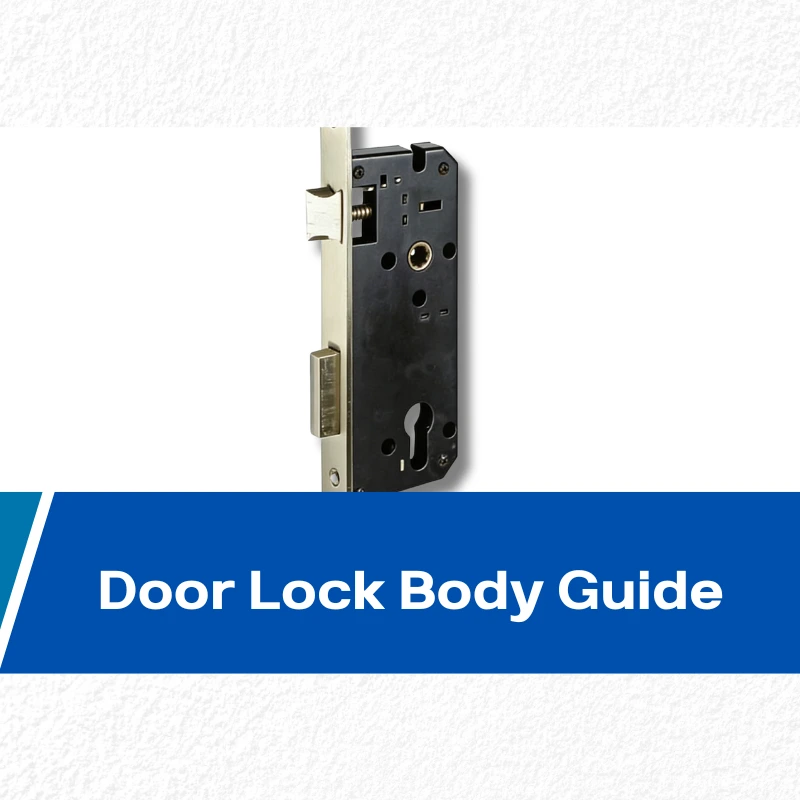
What Is a Door Lock Body and Why It Matters for Security A door lock body is the internal mechanical unit installed inside a door. It contains the components responsible for locking and securing the door, including the latch, deadbolt, and linkage mechanisms that connect to the lock cylinder. While the cylinder receives the key, […]
The Complete Guide to Cylinder Cores for Door Security
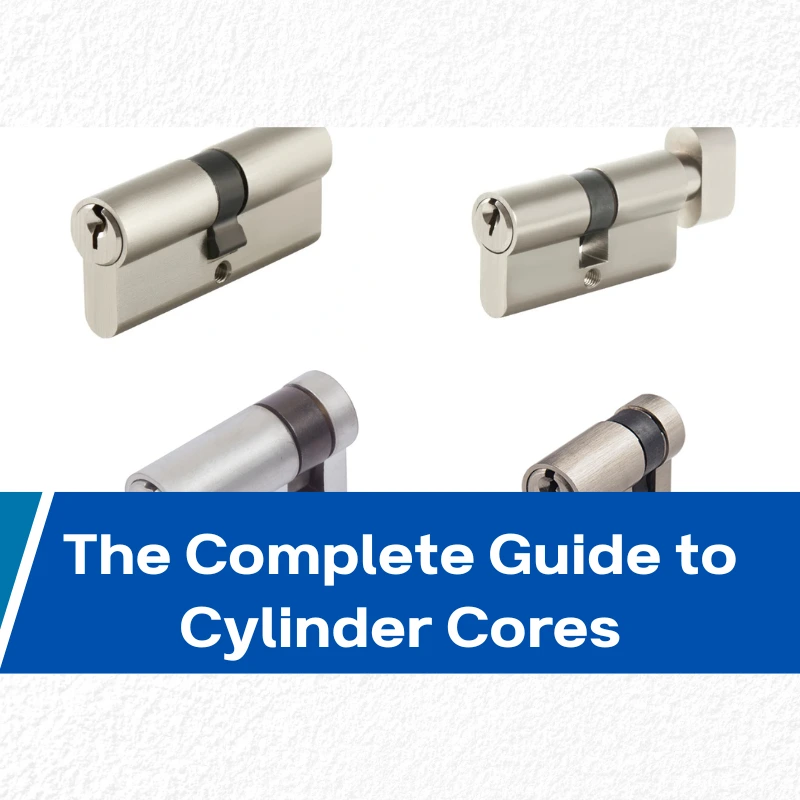
What Is a Cylinder Core in a Door Lock A cylinder core is the central mechanism inside a door lock that recognizes the correct key and controls whether the lock opens or stays secured. Inside the cylinder core is a pin-tumbler mechanism that interacts with the key. When the correct key aligns the internal pins […]
Cabinet Lock Cylinder Guide – Types, Security, and How to Choose the Right One
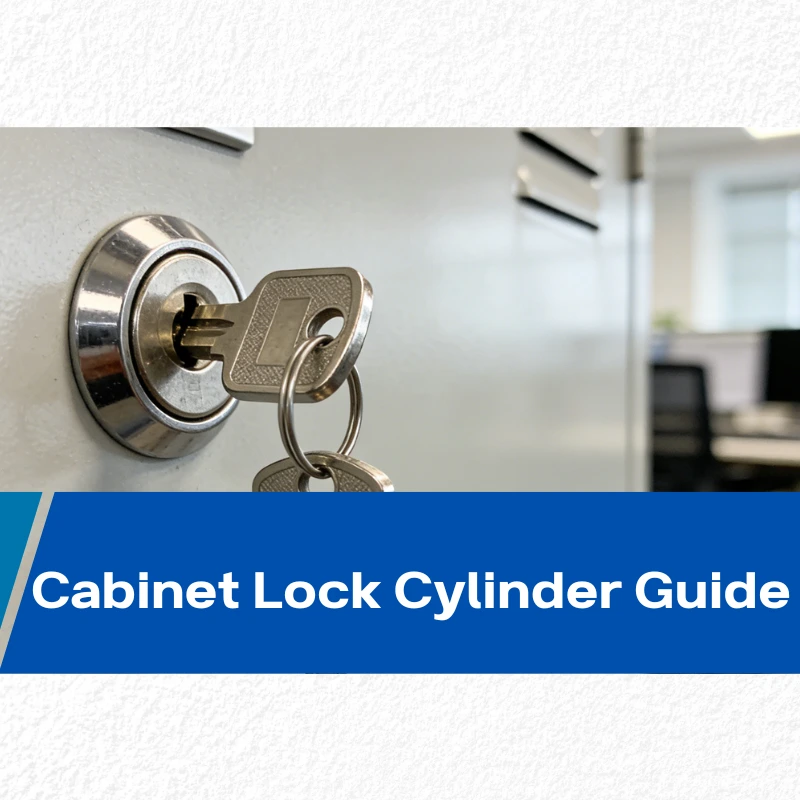
Cabinet locks are often overlooked in business security planning. Yet cabinets frequently store sensitive documents, inventory, tools, and equipment. A reliable cabinet lock cylinder helps control access inside offices, retail stores, laboratories, and workshops. While door locks protect building entry points, cabinet locks secure the items inside the workspace. Understanding how cabinet lock cylinders work […]
Thumb Turn Cylinder Guide – How It Works and When Businesses Should Use It
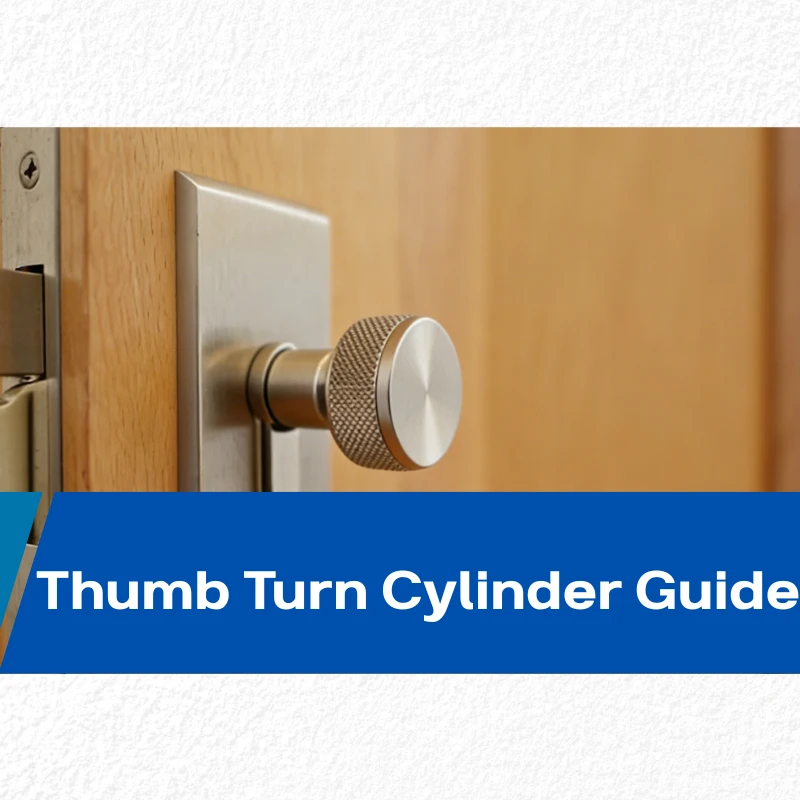
Modern buildings rely on reliable door hardware to control access and protect people and assets. One of the most widely used solutions is the thumb turn cylinder. This lock cylinder design combines key control from the outside with simple internal operation. It improves convenience while maintaining the core security benefits of a traditional euro cylinder. […]
Sliding Door Lock Cylinder – How It Strengthens Door Security
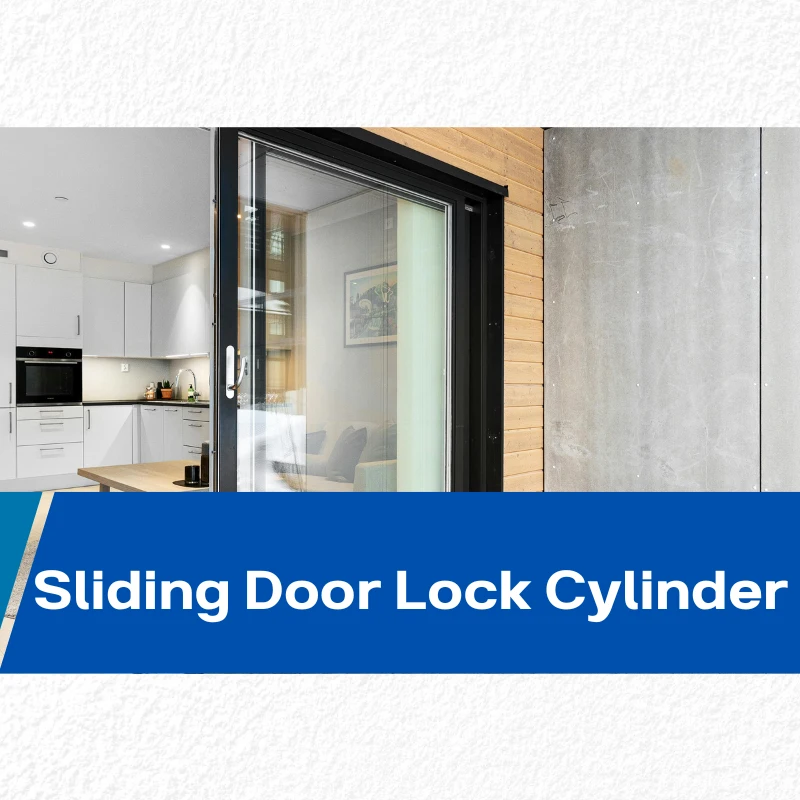
Sliding doors are widely used in homes, offices, and commercial storefronts because they save space and allow natural light. However, their design also makes them more vulnerable if the locking system is weak. Security reports often show that patio and sliding doors are common entry points during break-ins. Many of these incidents occur because factory-installed […]
What Is LFIC (Large Format Interchangeable Core) and Why Businesses Use It
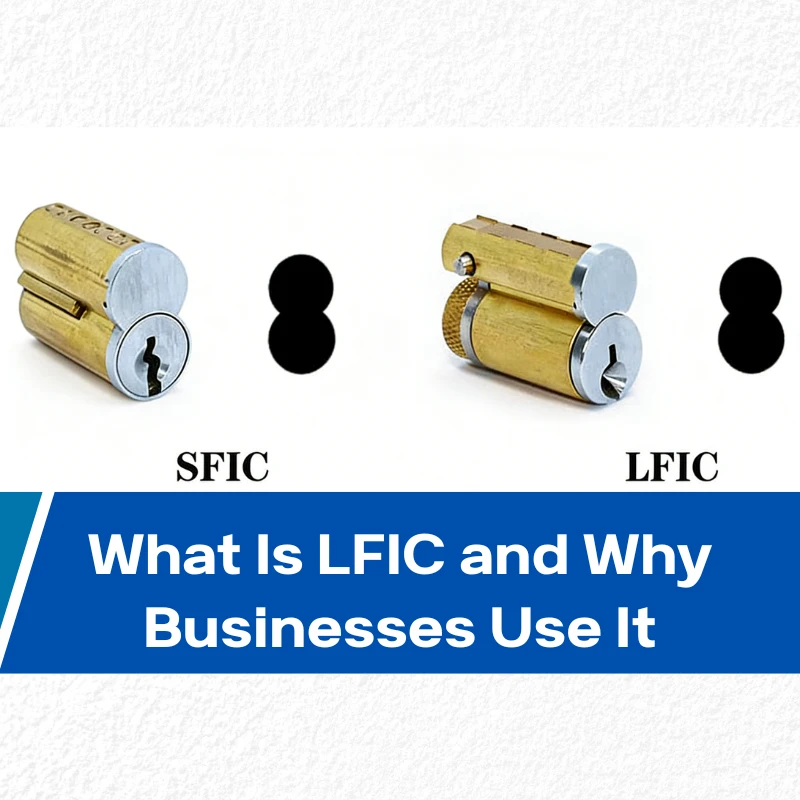
Why Businesses Use Interchangeable Core Lock Systems Businesses often face a simple but costly security challenge. Keys get lost, employees leave, and locks must be rekeyed quickly to maintain control. Traditional lock cylinders require disassembly and manual repinning. This process can take 15 to 20 minutes per door and often requires a locksmith. An Interchangeable […]
Key Bitting Explained – How Key Cuts Control Lock Security
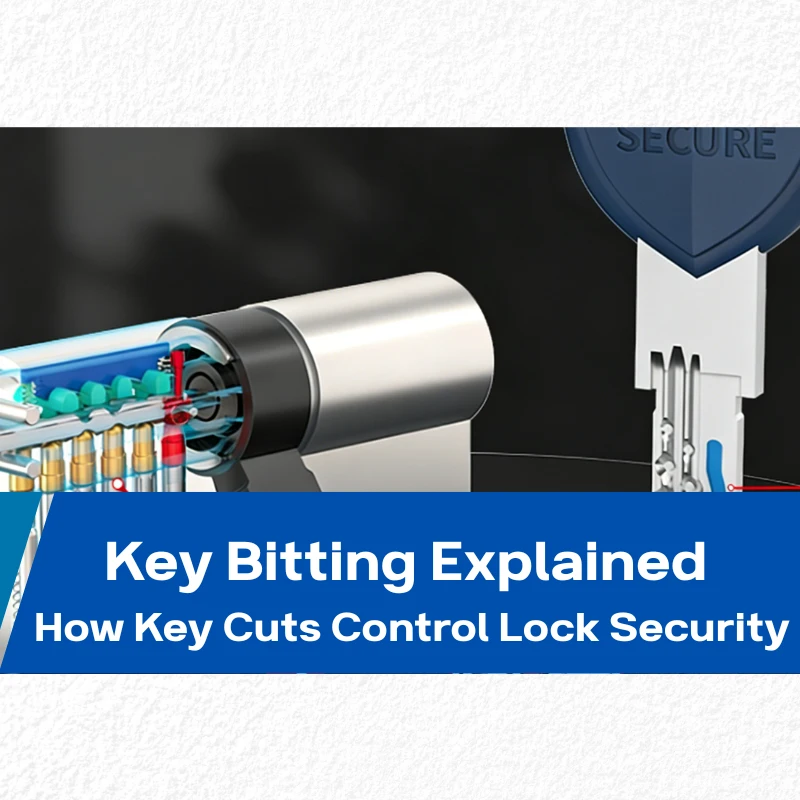
Keys appear simple, yet the small grooves along a key blade determine whether a lock opens or stays secure. These grooves are known as key bitting. Key bitting defines the depth and spacing of cuts on a key. These cuts interact with the internal pins of a lock cylinder, allowing the mechanism to rotate only […]
Deadlocking Latch Explained – How It Protects Doors from Bypass Attacks
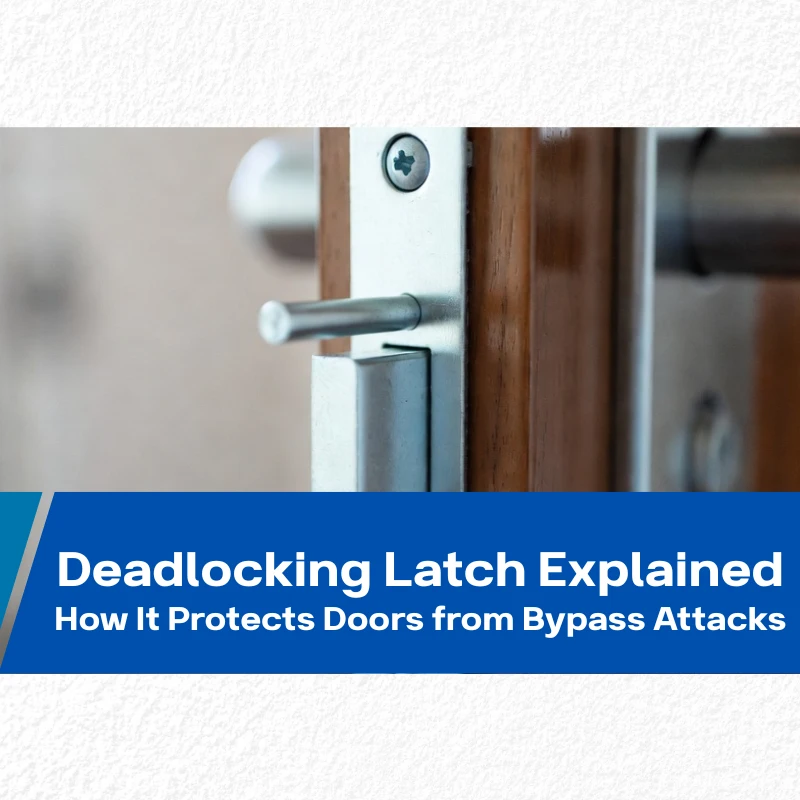
Door security often depends on small mechanical details that many people never notice. One of the most important of these details is the deadlocking latch. This mechanism is commonly used in residential and commercial door locks, yet many building owners are unaware of how it works or why it matters. A properly functioning deadlocking latch […]
Cylinder Guard for Commercial Doors – A Practical Guide for Business Security
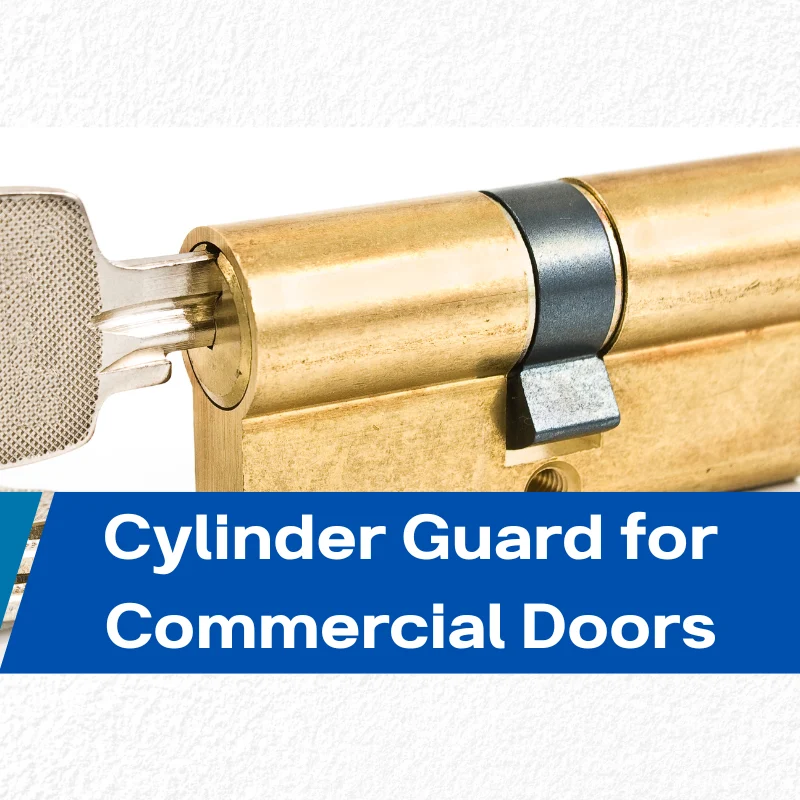
Why Lock Cylinder Protection Matters for Businesses For most small businesses, the front door is both the first impression and the primary security barrier. Retail shops, offices, studios, and warehouses often rely on a standard lock cylinder to secure their entrance. That small component determines whether a door is truly secure or simply closed. Many […]
Restricted Key Systems for Businesses
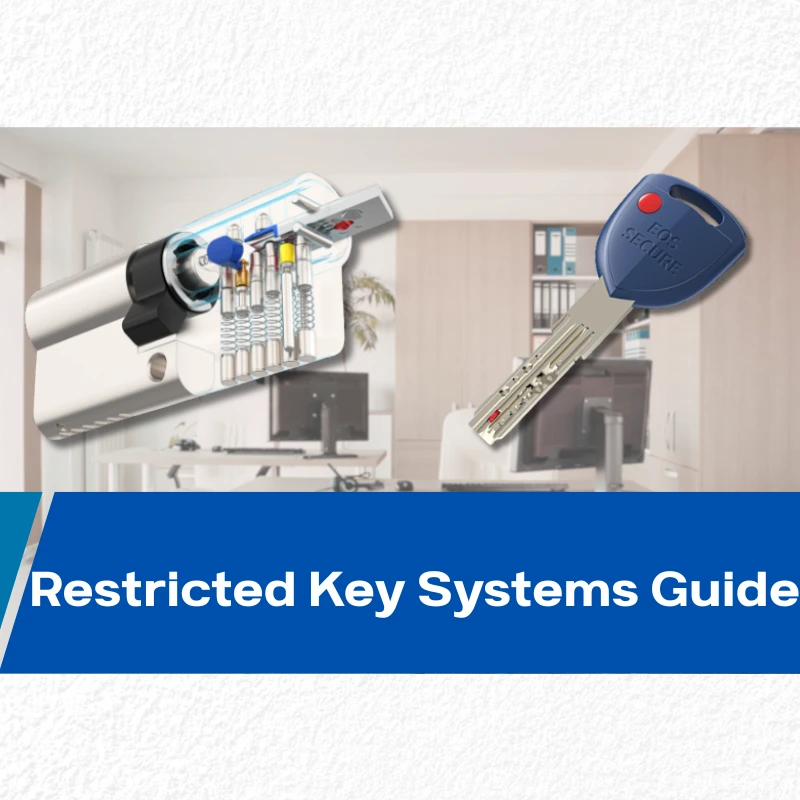
A Smarter Way to Control Keys and Protect Commercial Property Physical keys are still the most common access method in small businesses.They are also one of the least controlled. Industry reports consistently show that a significant percentage of break-ins involve no forced entry. In many cases, access is gained using copied or unreturned keys. Former […]