From metal keys to digital access tokens
Every door decision used to live on a piece of cut metal.
If you held the key, you held access.
Today access can live on a card, a phone, a wearable, or even a fingerprint.
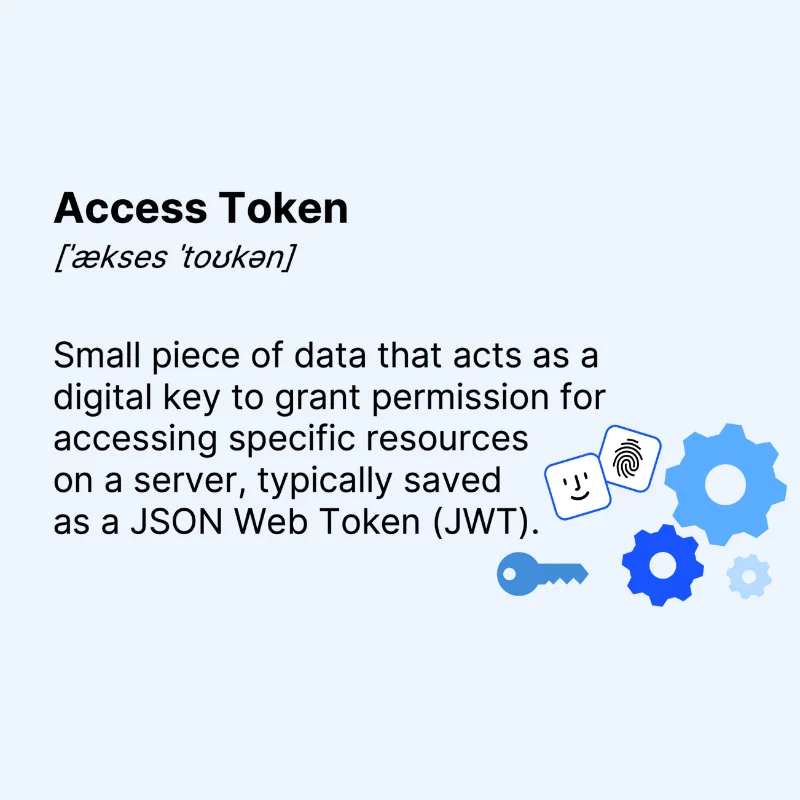
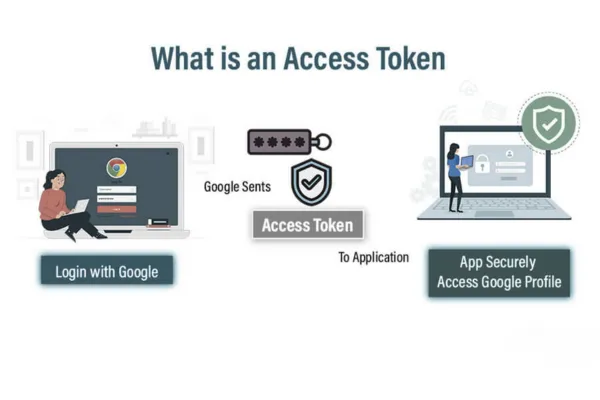
In modern systems that digital credential is often called an access token.
Physical keys as the first generation credential
A traditional key is a physical token.
Its cuts match pins in a cylinder and the metal itself proves the right to open a door.
This model is simple and familiar, but it brings clear limits for growing businesses.
- Keys are easy to lose and hard to track
- Rekey projects cost time and disrupt tenants
- Copies can appear without proper control
Mechanical keys still matter, yet they now sit beside digital tokens rather than acting alone.
Card based tokens in commercial buildings
The first big shift came with magnetic stripe and proximity cards.
Instead of encoding access in metal, systems stored a unique identifier on the card.
When someone presents the card
- The reader collects the identifier
- The controller checks that identifier against rules
- The door hardware responds with lock or unlock
The card acts as the access token that represents the user inside the system.
You can cancel that token, change its rights, or issue a new one without changing cylinders and cores.
Phones and wearables as live access tokens
Mobile credentials pushed tokens into devices people already carry.
A phone or watch can now hold one or more digital access tokens at the same time.
Compared with standalone cards, mobile tokens offer
- Easier distribution through email or apps
- Faster updates when roles change
- Better options for adding steps such as app based confirmation
For multi site businesses this reduces card logistics and makes temporary access more practical.
Visitors and contractors can receive time limited tokens that expire automatically.
Biometrics where the body becomes the token
Biometrics use something you are instead of something you carry.
Fingerprint readers, facial recognition, and palm vein scanners all play this role in some commercial and high security sites.
In these systems the biometric template becomes part of the access token.
The actual match usually happens on the reader or inside a secure module, and the access control platform treats a successful match as a trusted identity signal.
Many organizations combine biometrics with cards or mobiles.
The token then proves presence and the biometric proves identity, which reduces the risk of shared credentials.
How access tokens work behind the scenes
Different technologies still follow the same basic idea.
An access token is a structured piece of data that stands for a user and a set of rights.
Inside an access control system the token usually includes
- A unique identifier such as a card number or device ID
- Optional cryptographic data to prevent cloning
- Links to a user record, roles, and schedules in the database
When someone presents the token, the system checks
- Is this token valid and active
- Which doors and areas should it reach
- Which times and dates should it work
That check can happen at a local controller or in a cloud service, but the door sees only a simple decision, unlock or stay secure.
Planning the evolution from keys to access tokens
Most businesses move in stages rather than jumping straight to biometrics and mobile.
A practical roadmap respects both budget and existing hardware.
Stage one, stabilize mechanical foundations.
Use quality cylinders, lock cases, and reinforced strikes so doors already perform well.
Stage two, introduce card based tokens on the most important doors.
Main entrances, staff entrances, and sensitive rooms usually bring the clearest benefit from role based digital credentials.
Stage three, add mobile tokens where flexibility matters.
Field teams, rotating staff, and multi site managers often see the greatest value in phone based access.
Stage four, consider biometrics and advanced policies for high risk areas.
Tie these moves to clear business needs such as audit trails, shared technical labs, or high value storage.
Throughout each stage, define how you issue, revoke, and audit tokens.
Good processes matter as much as the technology itself.
EOS SECURE at the boundary between tokens and doors
All access tokens eventually meet metal at the door edge.
Readers, controllers, and cloud services can agree that access is allowed, yet a cylinder and bolt still need to move.
EOS SECURE focuses on that mechanical link.
Our lock cylinders and cores integrate with a wide range of card, mobile, and biometric platforms while keeping strict tolerances and strong anti attack features.
This lets small businesses adopt modern access tokens at their own pace without sacrificing the reliability and strength of the underlying hardware.
FAQ
How to get up access token
In physical access control you usually obtain an access token from the system administrator. They enroll your card, phone, or biometric in the platform and assign rights. In software contexts, developers request tokens through secure login flows or API calls defined by the service.
What is an example of a token
A contactless employee badge is a clear example of a token. It carries a unique identifier that readers use to look up permissions. In software, a signed string such as a JSON Web Token can play the same role for web services and APIs.
How do you get an access token
For building access you receive a token when security or HR issues a card or mobile credential for you. They use the management console to enroll your identity and then encode or assign a token. In digital systems you usually log in, and the server returns an access token to your app after successful authentication.
How are access tokens generated
Access tokens are generated by the access control or authentication system. For cards and mobiles, the platform assigns identifiers and may add cryptographic keys. For software, the server creates signed tokens using secret keys so other components can verify that the token is genuine and unaltered.
What is my access token
Your access token is the credential the system uses to represent you. In a building it might be the unique number on your card or mobile pass. Online it might be a short lived string that your app stores temporarily after you sign in so it can call protected services.
How do I activate my token
Activation usually requires an enrollment step. Security staff or administrators add your token to the system, link it to your user record, and assign door or system rights. Some platforms let you self activate through an email link, QR code, or app after they verify your identity.
What is an example of an access token
In a modern office a phone based mobile pass is a strong example of an access token. The app stores a secure credential that readers accept as proof of your rights. In cloud services, an OAuth access token returned after login serves the same purpose for API calls.
About EOS SECURE
EOS SECURE delivers precision engineered mechanical and electronic lock cylinders backed by more than a decade of manufacturing expertise. Established in 2011, our factory operates under ISO9001 and ISO14001 certifications, and our products meet rigorous international standards including EN1303 and SKG. With more than 50 advanced Swiss type CNC automatic lathes and integrated machining centers, we manufacture high quality cylinders and cores that integrate smoothly with card, mobile, and biometric access token platforms worldwide. Whether you are upgrading from metal keys or expanding a multi site digital credential strategy, EOS SECURE provides reliable performance, consistent quality, and dependable technical support. Secure your business with solutions built for long term stability, contact us today.