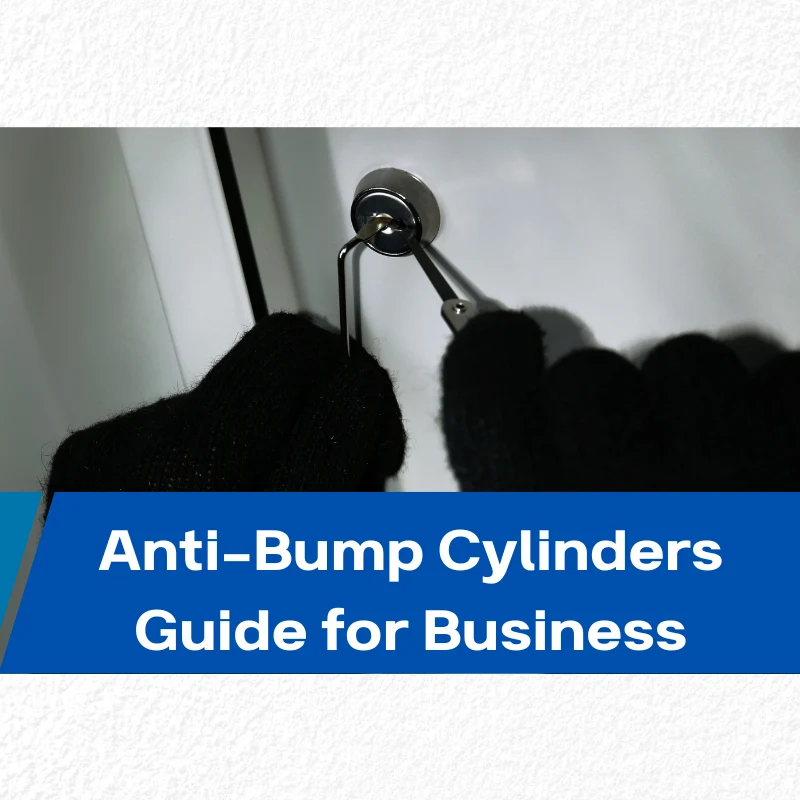
Why Lock Bumping Is a Security Risk for Businesses
Lock bumping is a fast, low-skill method used to open standard pin tumbler locks without visible damage. For small businesses, this creates a serious gap in physical security. Entry can happen in seconds, often without clear signs of forced access.
For retail stores, offices, and rental properties, this means unauthorized entry may go unnoticed until losses occur. Traditional lock cores were not designed to resist this type of attack, which makes upgrading a practical step for risk control.
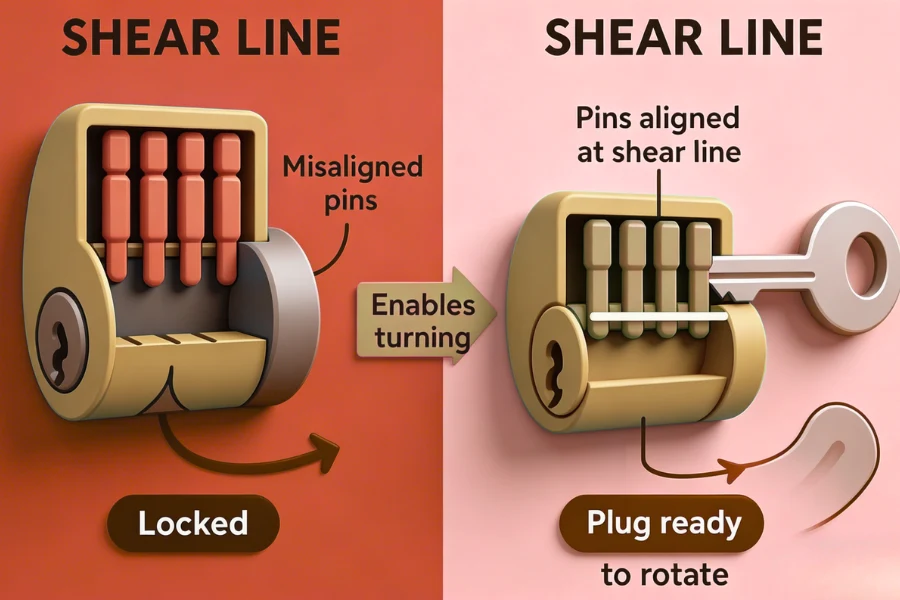
How Lock Bumping Actually Works
Lock bumping uses a specially cut key, known as a bump key, combined with a controlled impact to manipulate internal components.
Here’s the simplified process:
- A bump key is inserted into the cylinder
- A controlled impact transfers force through the key
- Internal pins jump momentarily
- The plug rotates during this brief alignment
This method exploits the mechanics of standard pin tumbler designs, allowing access without visible damage.
Why Standard Door Locks Fail Against Bumping Attacks
Most conventional lock cylinders share similar design limitations:
- Uniform pin structures — pins align too easily under impact
- Low resistance to kinetic force — internal tolerances allow smooth movement
- Single-layer verification — only top and bottom pins control rotation
This makes it possible for a simple impact to temporarily bypass the lock’s primary security mechanism.
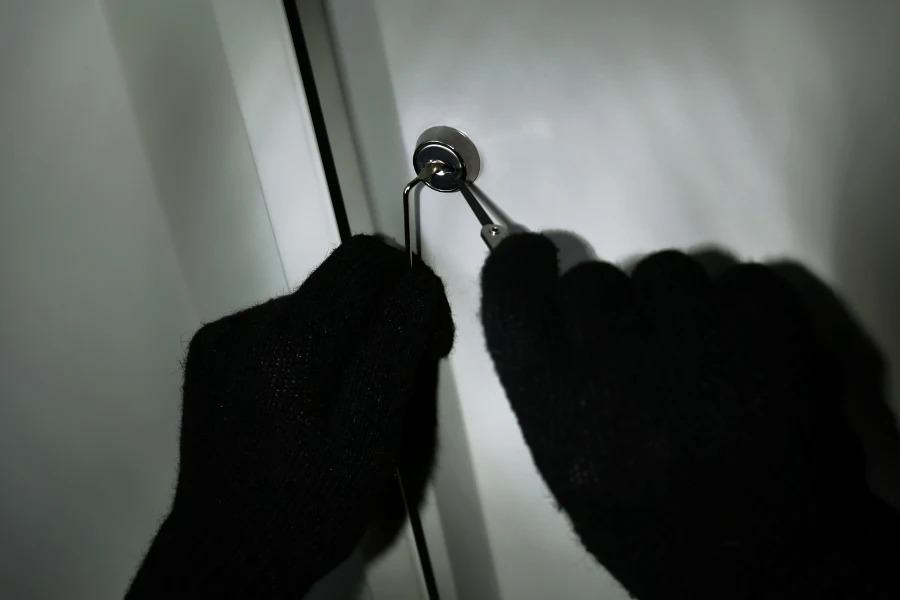
What Makes a Bump-Resistant Cylinder Different
A bump-resistant cylinder is engineered to limit or block the effects of impact-based manipulation.
Instead of allowing pins to align momentarily, these systems introduce resistance, misalignment, or additional verification layers.
For business environments, this improves entry resistance, increases attack time, and reduces the likelihood of opportunistic intrusion.
How Bump-Resistant Lock Cylinders Stop Unauthorized Entry
Bump resistance is achieved through a combination of mechanical design strategies that disrupt the alignment process.
Key mechanisms include:
- Security pins such as spool or mushroom designs
These create false feedback and interrupt pin movement under impact
→ This increases attack time and reduces the chance of successful entry - Sidebar and side pin systems
Require a secondary alignment process beyond standard pin stacks
→ The cylinder cannot rotate unless both systems are correctly engaged - Complex keyway profiles
Limit compatibility with generic or modified bump keys
→ Reduces the risk of unauthorized tools being used - Trap pins or modified chambers
Engage when abnormal force is applied
→ Prevents further manipulation of the mechanism
High-security cylinders often combine multiple features to create layered protection.
Standard vs Anti-Bump vs High-Security Cylinders
| Type | Security Level | Key Features | Best For |
|---|---|---|---|
| Standard Cylinder | Basic | Simple pin system | Low-risk residential use |
| Bump-Resistant Cylinder | Medium to High | Security pins, enhanced resistance | Small businesses, offices |
| High-Security Cylinder | Advanced | Multi-layer protection, restricted keys | Commercial sites, high-value assets |
Selecting the right option depends on access frequency, risk exposure, and operational requirements.
How to Check If Your Lock Is at Risk
Many businesses are unsure whether their existing locks provide adequate protection.
Check for these indicators:
- No visible certification markings on the cylinder
- Standard keys that can be easily duplicated
- Simple keyway design without added complexity
- Locks that have been in use for many years
Possible signs after a manipulation attempt:
- Difficulty inserting or turning the key
- Minor dents or marks near the keyway
- A door found unlocked without a clear reason
If these conditions apply, your current system may be vulnerable.
When It Makes Sense to Upgrade Your Door Locks
Upgrading becomes important when operational risks increase.
Consider an upgrade if you manage:
- Retail stores with daily transactions
- Offices with multiple staff members
- Rental properties with frequent tenant turnover
- Storage or warehouse facilities
For example, a small retail shop can reduce risk by upgrading to a bump-resistant cylinder instead of relying on basic locks that are easy to manipulate.
Which Security Certifications Actually Matter
Not all security claims provide verified protection. Independent certifications offer measurable assurance.
Key standards to consider:
- TS007 3-star — tested against bumping, snapping, drilling, and picking
- BS3621 — commonly required for insurance compliance
- EN1303 — classifies durability and resistance to physical attacks
- SKG rating — graded protection levels used across Europe
Certified products provide tested performance rather than unverified claims.
How to Choose and Install the Right Cylinder
Choosing the right lock cylinder involves matching security features with real-world use.
Key selection criteria:
- Verified certification level
- Multi-layer bump resistance features
- Correct size for door thickness
- Compatibility with existing hardware
Installation best practices:
- Use a qualified installer to ensure proper alignment
- Avoid cylinders that extend beyond the door surface
- Combine with protective hardware such as security escutcheons
Maintenance tips:
- Use graphite or silicone-based lubricants
- Avoid oil-based products that attract debris
- Replace worn keys before they affect internal components
Correct installation and maintenance improve long-term reliability and performance.
Build a More Secure Access Strategy for Your Business
A lock cylinder is only one part of an effective security system.
A stronger approach includes:
- Mechanical protection — high-security cylinders
- Access control — managed credentials and permissions
- Visibility — audit logs and monitoring tools
This layered model improves both security and operational control.
Key Takeaways for Better Door Security
Lock bumping exposes a critical weakness in many traditional locking systems, especially in business environments where access control matters.
Upgrading to a high-security cylinder with bump resistance improves protection, reduces risk, and supports better control over entry points.
EOS SECURE provides precision-engineered lock cylinders designed to improve resistance against real-world entry methods such as bumping, drilling, and forced manipulation. With over a decade of manufacturing experience and compliance with international standards including EN1303 and SKG, our solutions help businesses maintain reliable access control and reduce security risks. Whether for commercial projects or customized applications, EOS SECURE delivers consistent quality and long-term performance. Explore EOS SECURE solutions to strengthen your business security.