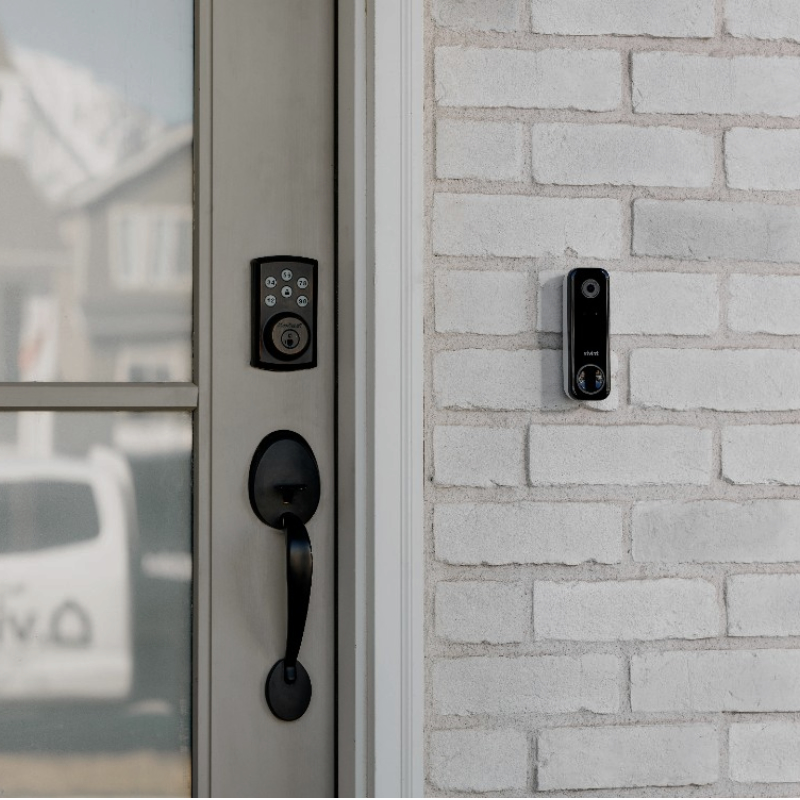
Why the Door Matters Most in Home Security
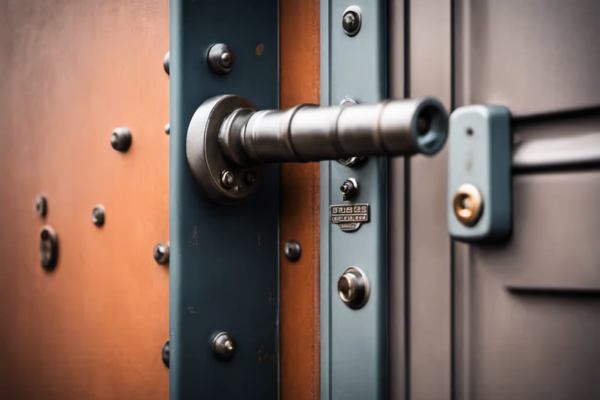
This guide is designed for homeowners and small property owners who want clear, proven ways to improve door security. It focuses on real-world risk patterns and practical protection principles rather than complex or unnecessary systems.
A large percentage of residential break-ins occur through doors, particularly the main entrance. For this reason, the primary door represents the most important and effective starting point for improving overall security.
A solid and visibly reinforced door also reduces risk by increasing the time, effort, and noise required for forced entry. Doors that appear well protected introduce uncertainty and exposure, which lowers the likelihood of attempted entry.
The principle is straightforward. When investing in security, the main entry door should always be the first priority.
Build a Layered Defense From the Outside In
Effective door security works best when built in layers. Each layer adds delay, visibility, or resistance, making forced entry less practical.
A practical door security checklist
- Use solid exterior doors and keep them locked at all times
- Upgrade lock cylinders and strike plates on all exterior doors
- Anchor hardware using long screws driven into wall studs
- Reinforce door frames, hinges, and secondary entry points
- Improve lighting, visibility, and visible deterrents
Secure the Area Around the Property
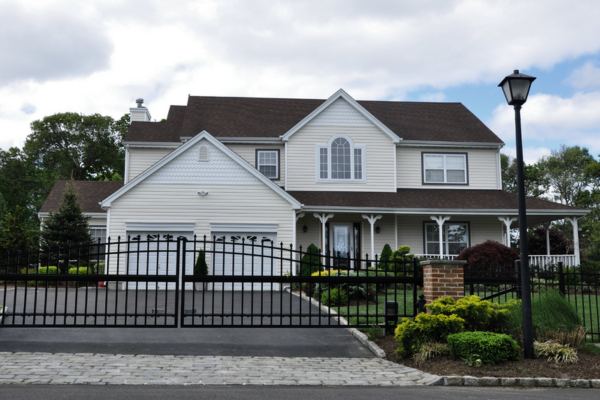
Simple perimeter deterrents that reduce risk
Physical barriers such as fences or gated entryways increase distance and visibility. They make unauthorized access more difficult and easier to detect.
Warning signage creates hesitation and uncertainty. Signs indicating dogs, alarms, or surveillance can discourage opportunistic attempts without additional cost.
Lighting reduces concealment. Motion-activated floodlights and entryway lighting limit dark approach paths and increase exposure around doors and windows.
Vehicle security also plays a role. Unlocked vehicles may provide access to spare keys or garage openers, which can compromise the home. Vehicles parked on the property should always remain locked.
Strengthen the Door Itself
Materials and installation that reduce break-ins
Consistent locking habits matter. Doors and windows should remain locked at all times, even during short absences.
Door material directly affects resistance to forced entry.
- Solid steel doors offer the highest level of protection and durability
- Solid wood and fiberglass doors provide reliable alternatives
- Hollow-core doors should not be used for any exterior entrance
Installation quality is just as important as material selection.
Doors should fit tightly within the frame with minimal gaps. Excessive clearance can allow tools to reach locking components.
Inward-opening doors keep hinges protected inside the structure. In some European designs, rebated or curved door profiles further limit access to the latch, improving resistance against shim-based attacks.
Upgrade Locks and Strike Plates
Where many doors fail under force
Security hardware should meet recognized, independently tested standards. Locks certified under systems such as BS 3621 or ANSI Grade 1 provide verified resistance against common attack methods.
The lock cylinder is often the weakest component in a door system.
Many standard Euro cylinders can be compromised through snapping attacks. Upgrading to anti-snap and anti-drill cylinders significantly reduces this risk and improves real-world protection.
Certifications such as TS 007 three-star or Sold Secure SS312 Diamond indicate that the cylinder has been tested against forced-entry techniques.
Strike plates and fasteners deserve equal attention.
Extended strike plates distribute impact force more effectively. Factory screws should be replaced with at least 3-inch screws that anchor into the wall stud behind the frame, not just the door jamb.
Lock selection should match the door type.
- Timber doors benefit from a BS 3621-certified mortice deadlock
- uPVC and composite doors require multi-point locking systems paired with certified high-security cylinders
- Night latches should only serve as secondary locks and never replace a primary deadlock
Reinforce Door Frames and Hinges
A door performs only as well as the structure supporting it.
Door frames can be strengthened using metal reinforcement strips or upgraded materials secured directly into the wall structure with long screws.
Hinges require the same level of attention.
Outward-opening doors should use security hinges with non-removable pins or interlocking designs. Hinges must be anchored into framing members to prevent removal or failure under force.
Add Extra Protection and Emergency Reinforcement
Visitor verification reduces risk at the threshold.
Door chains or limiters allow controlled opening, while wide-angle viewers help identify visitors before unlocking.
Integrated door reinforcement kits combine strike plate, hinge, and frame protection in a coordinated upgrade. These kits offer efficient improvements without major structural changes.
Emergency barriers increase response time during critical situations.
Door jammers or internal barricades installed in bedrooms or safe rooms provide rapid reinforcement when immediate protection is needed.
Glass components require additional protection.
Safety film helps prevent shattering, while tempered or laminated glass offers higher resistance against impact.
Secure Patio Doors, Sliding Doors, and Windows
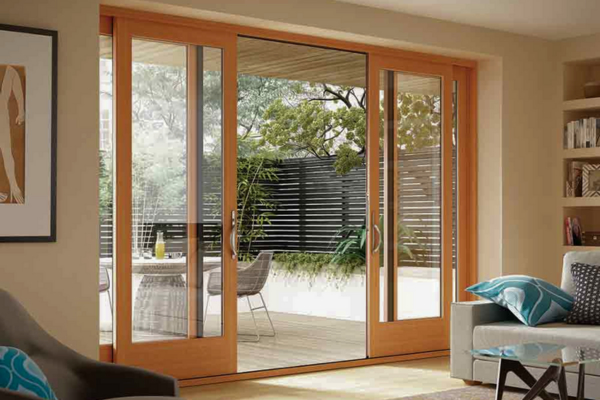
French and patio doors are frequent targets due to their size and visibility.
All available locking points should be engaged on modern systems. Older doors benefit from added key-operated bolts at the top and bottom.
Sliding doors require anti-lift protection. Anti-lift blocks and keyed locks that secure the moving panel to the fixed frame prevent removal and forced entry.
Windows are part of the same security system. All accessible windows should include key-operated locks to reduce easy entry.
Installation, Maintenance, and Long-Term Reliability
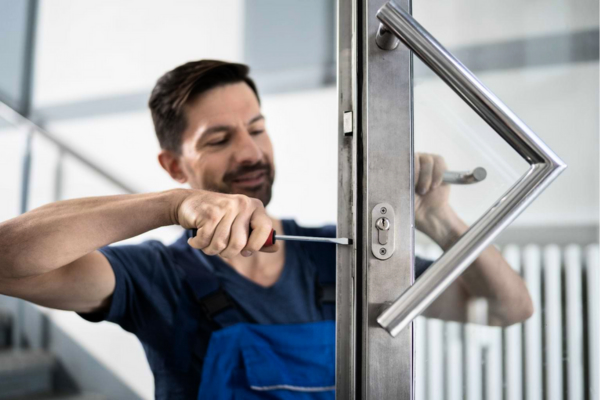
High-security hardware delivers results only when installed correctly. Certified professional locksmiths ensure proper alignment, function, and structural integrity.
Regular security reviews help maintain performance over time.
- Check lock certifications and visible markings
- Inspect doors, frames, and hardware for wear or damage
- Confirm keys are accessible in emergencies but not visible from outside
Security investments should be viewed long term. Many insurance policies require certified locks, making compliance both a safety and financial consideration.
Strengthen Overall Security Awareness
Alarm systems improve response capability and increase perceived risk. Visible signage and cameras, even basic ones, discourage opportunistic attempts.
Community awareness adds another layer of protection. Good communication with neighbors allows shared observation and quicker response to unusual activity.
Clear emergency planning completes the system. Households should understand exit routes, safe areas, and communication steps to reduce confusion during critical moments.
FAQ
What is the fastest and most effective way to improve door security?
The quickest improvement comes from consistent locking habits, followed by upgrading the exterior lock cylinder and strike plate. Anti-snap cylinders and strike plates anchored with 3-inch screws into wall studs significantly increase resistance without major structural changes.
What door materials and lock certifications matter most?
Solid steel doors offer the highest protection, followed by solid wood or fiberglass. Hollow-core doors should not be used externally. Locks should meet certified standards such as BS 3621, TS 007 three-star, Sold Secure SS312, or ANSI Grade 1, depending on the region.
Why are standard Euro cylinders considered a risk?
Many standard Euro cylinders can be snapped at the midpoint, allowing quiet and rapid entry. Anti-snap and anti-drill cylinders remove this vulnerability and provide proven resistance against common forced-entry techniques.
Is it safer for a door to open inward or outward?
Inward-opening doors keep hinges protected inside the structure. If a door opens outward, it should use security hinges with non-removable pins or interlocking designs to prevent removal.
How should doors with glass panels be protected?
Glass should be reinforced with safety film or replaced with tempered or laminated glass. Door chains, reinforcement kits, wide-angle viewers, and emergency jammers help control access and improve response during unexpected situations.
Is professional installation necessary?
Professional installation is recommended for high-security locks to ensure correct alignment and performance. Homeowners can perform basic audits by checking certifications, verifying anti-snap markings, and confirming all exterior doors and accessible windows lock correctly.
How can patio doors, sliding doors, and windows be secured?
Sliding doors should include anti-lift devices and keyed locks that secure the moving panel to the frame. French and patio doors benefit from key-operated top and bottom bolts. All accessible windows should use key-operated locks.
What are the four D’s of residential security?
The four D’s are deter, detect, delay, and defend. Effective door security discourages entry, identifies risk early, slows forced access, and provides time to respond through layered reinforcement.
Strengthening Security With Proven Expertise
EOS SECURE delivers precision-engineered mechanical and electronic lock cylinders designed for long-term security performance. Backed by more than a decade of manufacturing expertise, our ISO9001 and ISO14001 certified factory produces cylinders that meet rigorous international standards including EN1303 and SKG. Whether supporting small property upgrades or large-scale projects, EOS SECURE provides consistent quality, reliable performance, and dependable technical support. Explore EOS SECURE solutions to strengthen long-term entryway security.