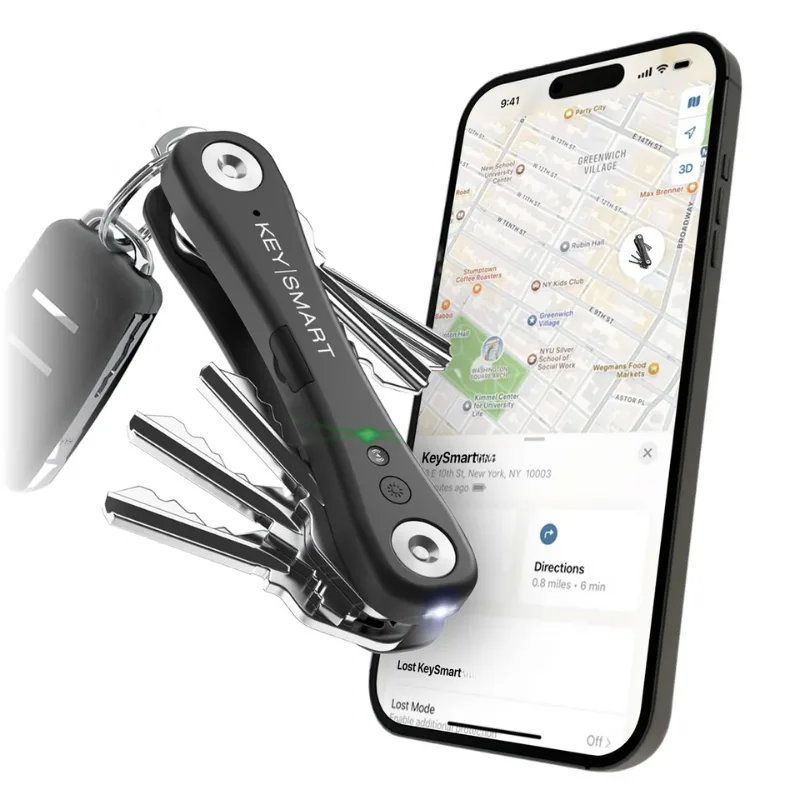
Smart keys in everyday access
For many small businesses, keys still live on heavy rings and in overstuffed drawers.
Staff changes or tenant moves turn into rushed visits from a locksmith.
Smart key systems change that pattern.
They let owners and managers reset who can use a key while the lock stays on the door and the business keeps running.
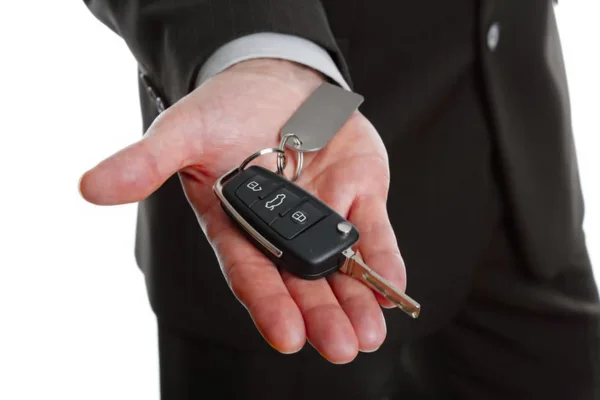
How a smart key system feels to different users
From a distance, a smart key often looks like an ordinary metal key or a compact fob.
The difference shows up in how each role uses it.
Owner or property manager
- Hands over keys that can be reconfigured without swapping cylinders
- Revokes access when a key goes missing
- Updates access rules from a simple management interface if the system is electronic
Tenant or employee
- Uses one key or fob for multiple doors where policy allows
- Sees doors stay consistent even when the company upgrades hardware
- Spends less time waiting for someone to “come and change the lock”
Service contractor or cleaner
- Receives time limited or door limited keys
- Returns keys at the end of a project without long handover sessions
Smart key setups focus on flexibility and control rather than only on the shape of the key.
Elements that make up a smart key system
Different brands and technologies implement smart keys in their own way.
Most systems still share a few core elements.
The credential
This is the “key” the user carries.
It might be
- A mechanically coded smart key that works with a rekeyable cylinder
- A contactless card or fob
- A phone based credential that the system treats as a key
Each credential holds a code or digital identity that the lock or reader checks.
The lock or cylinder
On the door, the lock works with that specific smart key design.
In mechanical smart key systems, the cylinder can accept a built in rekey process.
In electronic systems, a reader or electronic cylinder checks digital data instead of a cut pattern.
The management method
Behind the scenes, someone needs a controlled way to change who can open the door.
- Mechanical smart key designs use a special tool or procedure to “teach” a new key pattern
- Electronic smart keys rely on software where you change access rights through an interface
In both cases, you gain a way to reset access without pulling the lock apart or replacing the entire cylinder every time.
Rekeying without full hardware replacement
Traditional rekeying sends a locksmith to each door.
They pull the cylinder, change pins, cut new keys, and reinstall hardware.
With smart key style systems, rekeying becomes simpler.
For mechanical smart key cylinders
- A control key or tool allows one controlled reconfiguration step
- The lock learns a new key code and retires the old one
- You hand out new smart keys and collect or destroy the old set
For electronic smart keys
- The access platform removes rights from lost or retired credentials
- New smart keys, cards, or phone credentials receive the correct profile
- Doors continue to use the same cylinders and readers
You still need a sound policy around who can trigger rekey actions, yet the work shifts from metal to management.
Security and convenience tradeoffs
Smart key systems aim to improve both security and convenience.
You still need to understand their limits.
Advantages for small businesses
- Faster response when keys go missing
- Less dependence on immediate locksmith visits
- Clearer control over which credentials open which doors
- Easier path toward mixed setups with mobile and card access
Points that need attention
- Mechanical smart key designs require careful control over rekey tools and procedures
- Electronic smart keys depend on power and reliable readers
- Poor recordkeeping can still undermine even the best system
A strong design treats smart keys as one part of a complete security approach that includes doors, frames, lighting, and staff training.
Smart key strategies with EOS SECURE hardware
EOS SECURE focuses on the cylinder and lock layer that many smart key approaches rely on.
When you pair robust cylinders with smart key platforms, you gain both mechanical strength and flexible keying.
Common strategies include
- Starting with high quality mechanical cylinders that can later accept electronic upgrades
- Planning key systems so master keys and smart keys stay aligned
- Combining smart keys on priority doors with traditional keys on low risk openings
The goal is a door set that fits your budget today and can still grow into mobile or card based access tomorrow.
FAQ
What does a smart key do
A smart key carries a credential that the lock can update or manage more flexibly than a simple cut key. It lets you change who can unlock a door without always replacing the whole cylinder, and in electronic setups it can also support audit trails and time based access.
What is the difference between a key and a smart key
A traditional key uses fixed cuts that match pins in a cylinder. A smart key adds a management layer, either through a rekeyable mechanical design or a digital credential. That extra layer lets owners change access more easily and link keys to users instead of only to doors.
Is a smart key the same as remote start
A smart key and remote start are related but not the same. Smart keys in vehicles handle entry and ignition through proximity and digital codes. Remote start focuses on starting the engine from a distance. Many modern systems combine both features, yet they remain separate functions.
What are the disadvantages of smart keys
Smart keys introduce new points to manage. Mechanical designs need tight control over rekey tools and procedures. Electronic smart keys depend on power, readers, and software. If you lose a smart key, you must revoke it quickly through the system. Poor planning can still leave gaps even with advanced keys.
How much does a smart key cost
Costs vary by technology and volume. Simple smart key cylinders for doors can add a modest premium over standard cylinders, while advanced electronic keys and fobs cost more per unit. Total cost also includes readers, software, and setup, so projects should look at the full system rather than the key alone.
How do you find your smart key
If you misplace a smart key, start with physical search and check common areas and bags. Some electronic keys and phone based credentials work with tracking apps or sound alerts. For security, treat any lost smart key as a reason to revoke that credential and issue a replacement through your access system.
Can a smart lock be hacked
Any connected device carries some level of risk. Smart locks can face digital attacks if networks, passwords, and updates are not managed well. Good practice includes strong encryption, regular firmware updates, careful account control, and solid mechanical hardware so the door still resists physical attacks.
About EOS SECURE
EOS SECURE delivers precision engineered mechanical and electronic lock cylinders backed by more than a decade of manufacturing expertise. Established in 2011, our factory operates under ISO9001 and ISO14001 certifications, and our products meet rigorous international standards including EN1303 and SKG. With more than 50 advanced Swiss type CNC automatic lathes and integrated machining centers, we manufacture high quality cylinders that integrate smoothly with smart key and keyless access solutions worldwide. Whether you need cylinders for rekeyable systems, electronic upgrades, or large scale production, EOS SECURE provides reliable performance, consistent quality, and dependable technical support. Secure your business with solutions built for long term stability, contact us today.