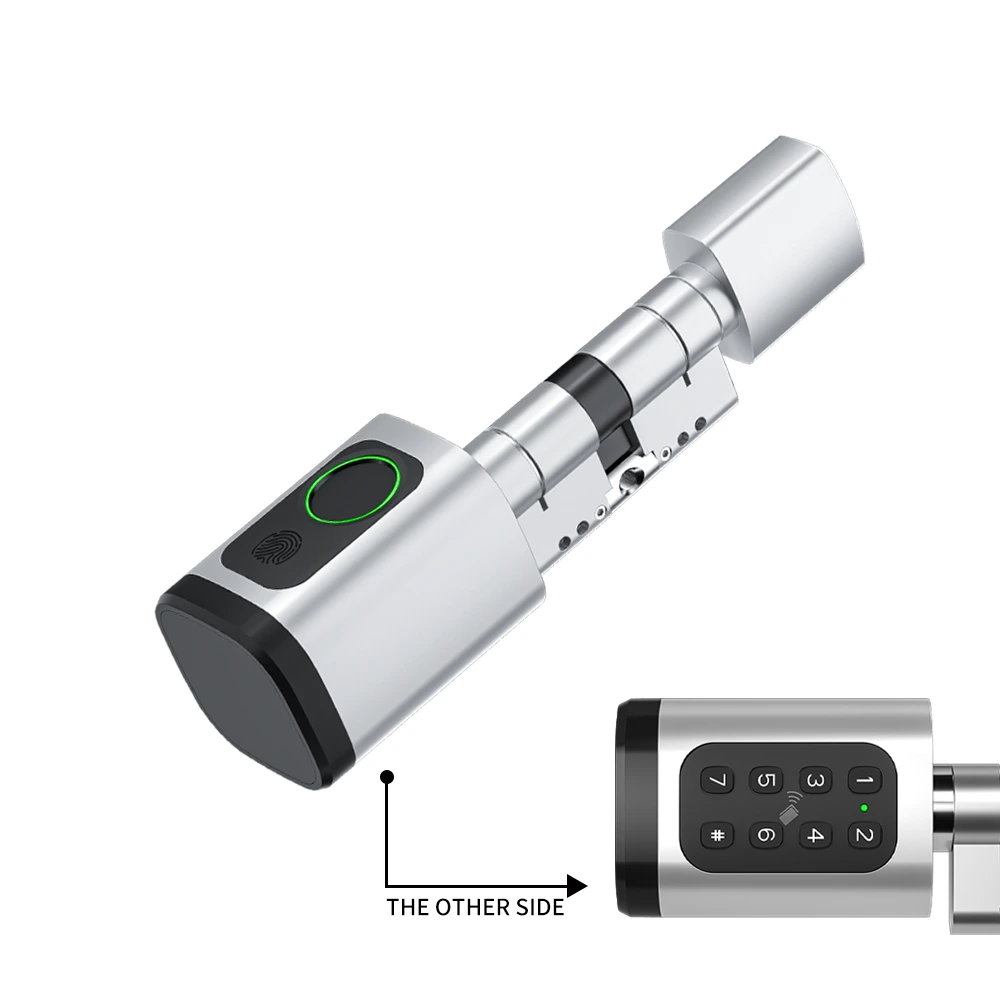
Choosing the right safe lock shapes how a business protects cash, records, and restricted assets. The lock determines daily usability and long-term reliability. Mechanical systems focus on durable, power-free performance. Electronic systems offer faster entry and flexible access control. This guide compares both options so business owners can choose a solution that supports security and operations.
Why Your Safe Lock Choice Matters
A safe is only as effective as the lock that controls it. Businesses use safes for cash handling, sensitive documents, inventory, or regulated materials. Each scenario requires the right balance of access speed, durability, and user control.
A clear understanding of both lock types helps you select a system that supports your workflow and long-term security goals.
Mechanical Safe Locks
A Durable and Power-Free Security Method
Mechanical safe locks use a rotating dial that aligns internal wheels to release the lock. The design is simple and stable, which is why many businesses still trust mechanical systems for long-term protection.

Key Advantages of Mechanical Locks
Reliable performance over decades
Mechanical components resist wear, humidity, and temperature changes. Many units remain operational for years with minimal adjustment.
No electricity or batteries
The lock functions without power, which is useful for safes in storage areas, remote locations, or facilities with inconsistent electricity.
Consistent and predictable operation
The system is refined and stable. For many businesses, predictable performance is more important than advanced features.
Low maintenance needs
Mechanical locks usually require service only when wheels drift out of alignment. Maintenance intervals are long for normal use.
Limitations of Mechanical Locks
Slow entry for daily use
Dialing a combination takes time and requires precision. This slows down tasks like cash drops or shift changes.
Combination changes require a technician
Only trained locksmiths can reset the code. This adds cost and downtime when personnel changes occur.
No modern access features
Mechanical locks do not support multiple users, audit logs, time delay, or wrong-try protection.
Susceptible to expert manipulation
Some mechanical grades offer lower resistance to advanced manipulation techniques used by trained professionals.
Electronic Safe Locks
Fast Access and Flexible Digital Control
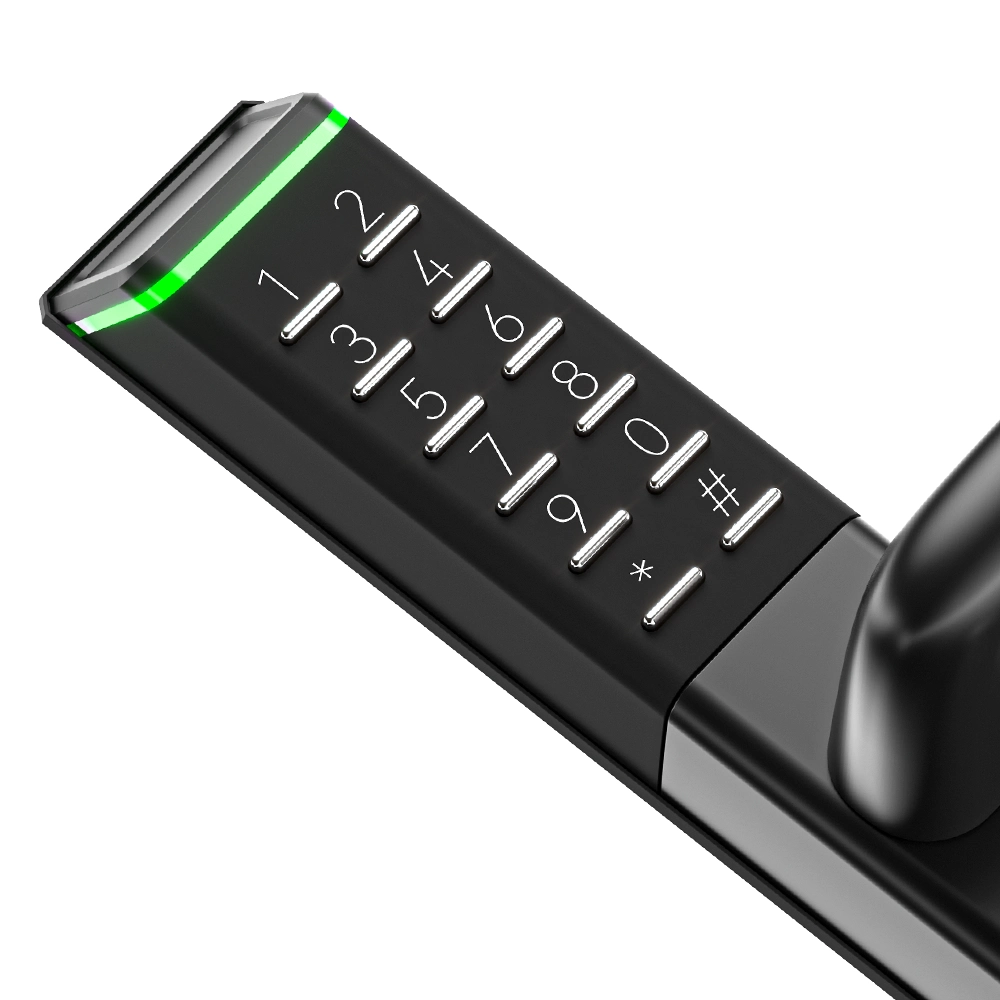
Electronic safe locks use a keypad, touchscreen, or biometric reader to trigger an internal mechanism. These systems improve convenience and support multi-user access, making them well suited for businesses with frequent safe activity.
Key Advantages of Electronic Locks
Fast daily entry
A PIN or fingerprint unlocks the safe in seconds. This improves efficiency for retail counters, offices, and shared workspaces.
Flexible access management
Users can add, remove, or change codes without tools. This supports shared access without physical key handling.
Advanced security features
Electronic locks offer control functions that strengthen accountability and help slow forced entry attempts.
- Time delay for cash-handling environments
- Dual control for two-person authorization
- Wrong-try penalty that blocks repeated attempts
- Duress codes that trigger silent alerts
- Multi-user permissions for staff and managers
- High combination capacity for stronger security
Better visibility in dark environments
Backlit keypads help with early-morning or late-evening access.
Limitations of Electronic Locks
Battery dependence
Most units require battery replacement every six to twelve months. Low-battery alerts prevent surprises, but a drained battery delays access until replaced.
More sensitive to environment or impact
Moisture or internal faults can interrupt operation. Quality and proper installation influence long-term stability.
Higher initial cost
Electronic systems cost more due to added components and technology.
User input issues can trigger lockouts
Several incorrect PIN entries activate timed lockouts, which may delay operations if staff enter the wrong code.
Frequently Asked Questions
Q1. What happens if an electronic lock loses power?
The lock stores all codes internally. Once the battery is replaced, the system resumes normal function without reprogramming.
Q2. Are mechanical locks always slower?
Mechanical locks take longer because they rely on precise dial movement. Speed improves with experience, but keypads remain faster for daily use or poor lighting.
Q3. Which type is more secure?
Both provide strong protection. Mechanical locks offer durable physical security. Electronic locks add features like lockout timers and multi-user permissions that help reduce unauthorized access.
Q4. What if I forget the code?
Mechanical locks require a technician to reset the combination. Electronic locks allow authorized users to reset codes through built-in controls.
Q5. Do electronic locks have shorter lifespans?
Entry-level models may wear faster in harsh environments. Higher-grade systems use sealed components that match mechanical locks in longevity when maintained correctly.
Q6. Are hybrid systems available?
Yes, some safes combine mechanical and electronic access. This adds redundancy but increases cost and requires careful user management.
Q7. What is the difference between a safe lock and a door lock?
Mechanical and electronic door locks serve different use cases. Safe locks focus on secure storage and tamper resistance, while door locks balance access convenience and daily traffic.
Q8. Which option works better for daily business use?
Electronic locks support fast entry and multi-user permissions, making them better for high-frequency access. Mechanical locks suit long-term storage or environments with strict power limitations.
How to Choose Between Mechanical and Electronic Safe Locks
Choose a mechanical lock if your priority is
- Long-term reliability without power
- A stable system for infrequent access
- A robust design for harsh or unpredictable environments
- Minimal maintenance over time
- A traditional dial mechanism for controlled access
Choose an electronic lock if your priority is
- Fast, consistent daily access
- Multi-user code management
- Features like time delay or dual control
- Easy access updates when staff roles change
- More visibility and convenience during busy hours
Most safes use standard mounting dimensions, which allows businesses to upgrade from mechanical to electronic systems with professional support. Choosing based on current needs while preserving future flexibility ensures better security and long-term value.
Conclusion, Building Reliable Protection With the Right Safe Lock
Your safe lock plays a central role in protecting critical assets. Mechanical systems offer durable and power-free reliability. Electronic systems provide faster entry and adaptable access control. The right choice depends on how your business uses the safe and what level of control you need.
EOS SECURE delivers precision-engineered mechanical and electronic lock cylinders backed by more than a decade of manufacturing expertise. Established in 2011, our factory operates under ISO9001 and ISO14001 certifications, meeting international standards including EN1303 and SKG. With advanced CNC machining capabilities and integrated production lines, we supply high-quality lock cylinders trusted across global industries. Whether you need small-batch customization or large-scale production, EOS SECURE provides consistent performance, stable quality, and dependable technical support. Strengthen your business security with solutions designed for long-term reliability.