Temporary access in hospitality is no longer about keys
Hotels and short term rentals run on constant turnover.
Every guest needs simple entry, while every owner needs strong control over who comes and goes.
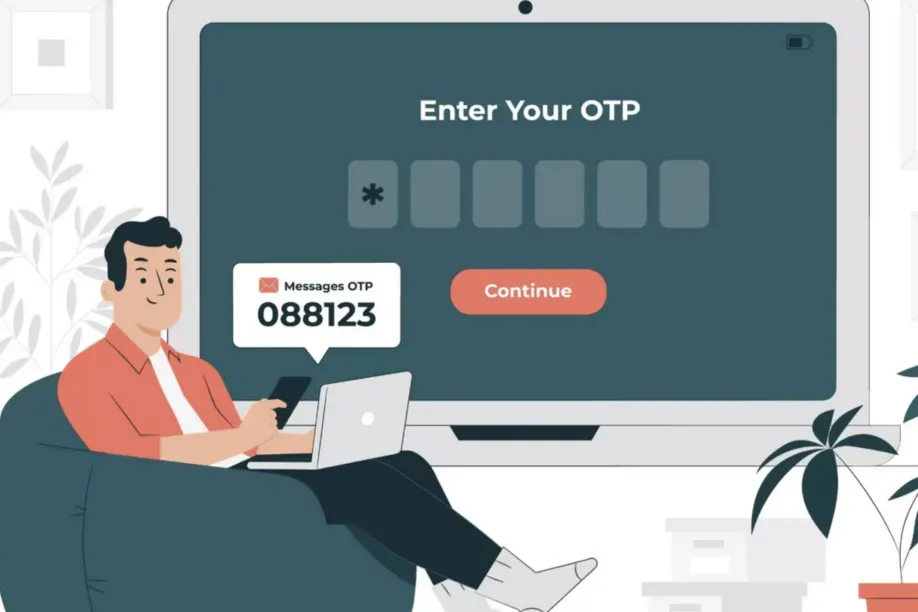
One time passwords, often called OTP codes, give smart locks a way to support that flow.
Instead of handing over metal keys, operators issue short lived codes that match each stay.
How a booking turns into an OTP code at the door
Think through a typical reservation.
A guest books online, receives a confirmation, then arrives hours or days later.
In an OTP enabled smart lock setup, the system follows a clear path
- The property management or booking platform records the stay dates
- The access platform generates a unique code for that reservation
- The guest receives the code by message, app, or email
- The code works on the lock only during the approved time window
The guest enters the code on a keypad, the lock validates it against stored rules, and the door opens.
After checkout, the system stops accepting that code for entry.
What makes an OTP different from a normal PIN
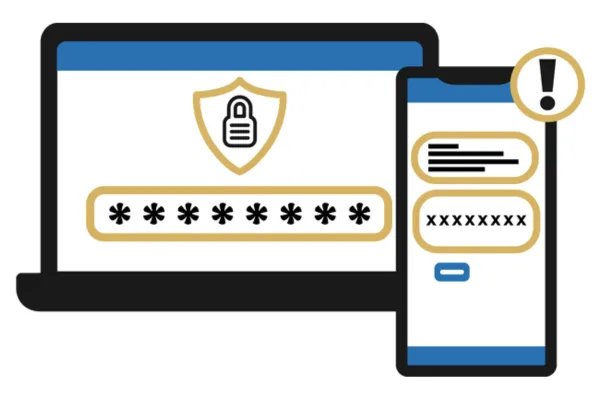
A static PIN stays the same until someone changes it.
That pattern leads to shared codes, forgotten updates, and weak accountability.
A one time password behaves differently
- It belongs to a specific guest or group
- It follows a schedule, for example check in to check out
- It can limit use by door, by time of day, or by number of entries
- It expires without manual action from the front desk or owner
Each OTP becomes a temporary key that fits one stay and one policy.
Components behind OTP smart lock systems
Smart locks with keypad input
The lock or cylinder needs a way to accept codes.
Many hotel and rental doors use
- Integrated keypad smart locks
- Electronic cylinders paired with external keypads
- Wall mounted readers that accept both codes and other credentials
Mechanical quality still matters, yet the keypad becomes the visible part of the OTP experience.
Cloud based access platform
Behind the scenes, a cloud service tracks
- Properties and door lists
- Guest profiles and stay dates
- OTP code generation rules
- Audit logs for each entry event
This platform connects with booking tools, sends codes, and keeps door rules updated.
Integration with booking channels
For hotels and multi unit rentals, automation matters.
The access platform links to property management systems and online travel agents.
When staff confirm a booking, the system creates and assigns codes without extra data entry.
How OTP supports hotels
Hotels balance walk ins, direct bookings, and third party reservations.
OTP can support self check in while front desk teams focus on service instead of key handling.
Front desk workflows
With OTP in place, staff can
- Issue codes directly from the property management system
- Change rooms without re keying, a new code links to the new door
- Send codes again if a guest loses the message
- Cancel codes quickly if a booking changes
Late arrivals gain a smooth path to their room.
They do not need to wait for staff if the hotel chooses to support unattended check in.
Housekeeping and maintenance access
Hotels also manage internal movement.
OTP supports
- Time bound codes for maintenance vendors
- Day specific pins for housekeeping teams
- Project based access for renovation crews
Internal teams move through spaces more efficiently, while the system records who accessed which rooms and when.
How OTP fits short term rentals and vacation homes
Short term rental hosts often operate without a staffed front desk.
They may live off site or handle several homes at once.
OTP smart locks give them tools to
- Avoid hidden key boxes and physical key handoffs
- Support last minute bookings or extensions
- Reuse the same lock hardware across many stays with new codes each time
Self service guest experience
The guest receives clear instructions
- Door location and photos
- Code to use during the stay
- Check in and check out times that match the code window
They arrive, enter the code, and walk in.
No one needs to meet them in person, and keys never stay under mats or inside plant pots.
Owner control across multiple properties
Owners or managers can use one dashboard to
- View which codes remain active right now
- Block access after check out
- Track entry activity if a dispute arises
- Adjust rules for specific properties or regions
The result is scalable hosting that stays secure even as the portfolio grows.
Security strengths and limits of OTP codes
OTP improves security compared to shared or static PINs, yet it still demands a solid design.
Strengths
- Each code links to a guest or staff identity
- Limited time windows reduce long term risk
- Codes change between stays, which cuts the chance of unwanted return visits
- Audit logs give clear records in case of incidents
Limits and risk controls
OTP alone does not solve every threat.
Owners can strengthen deployment through
- Strong code length and complexity settings
- Separate code policies for staff and guests
- Monitoring for repeated failed attempts
- Optional pairing with other factors on sensitive doors
In some high value or long term stays, operators may mix OTP with mobile credentials or cards.
Key configuration choices for OTP in smart locks
Code format and length
Short codes feel convenient at the door, yet longer codes raise security.
Many operators choose six to eight digits, avoiding patterns like repeating numbers or simple sequences.
Validity windows
The access platform can tie codes to
- Full stay dates
- Specific daily hours, such as quiet times
- Single use entry for delivery or one off service visits
Clear rules avoid confusion and match local policies.
Communication channels
Guests can receive OTP codes through
- SMS
- In app messaging
- Encrypted channels from booking platforms
Redundant channels help when networks fail or messages get delayed.
FAQ
What is a one time OTP number
A one time OTP number is a code that works only for a limited purpose, such as a single login or a defined stay window. Systems generate it automatically, share it with the user, and then reject it after use or after the scheduled time passes. This reduces risk compared with permanent passwords.
What is an example of a OTP password
A typical OTP password looks like a six digit random code, for example 482931. In a hotel or rental, the system assigns that code to a guest, activates it for the room during their stay, and then disables it after checkout so no one can reuse it for entry.
Is your One Time Password OTP we have
If you receive an OTP, treat it like a short term key. It belongs only to you and only to the service or property that sent it. Do not share it with others, and never use an OTP that arrives from an unknown source or for an account you do not recognize.
What is the OTP one time PIN
An OTP one time PIN is a personal identification number that works under one session or defined period. The system generates it uniquely, ties it to your identity or reservation, and expects you to enter it once at login or at the door keypad. After that, the code loses validity.
What is a one time password OTP used for
One time passwords protect access during sensitive actions. Online, they secure sign in, payments, or account changes. At properties, OTP codes control temporary entry to rooms or homes. In both cases, they give stronger protection than static passwords, since each code works only for a limited period or purpose.
How do I get a one time OTP code
You usually receive OTP codes from the service you are using. Common methods include text message, email, authenticator app, or in some cases a voice call. For smart locks and stays, the hotel or host sends the code after booking, often together with check in instructions and timing details.
How can I get my One Time Password
If you expect an OTP, check the channel the service lists in its instructions. Look at your SMS inbox, email, or app notifications. If nothing arrives, request a new code from within the site or app, confirm your contact details, and contact support or the property owner if issues continue.
Why am I getting fake OTP messages
Fake OTP messages often come from phishing attempts. Attackers hope you will reveal codes or click harmful links. If you receive an OTP for a service you are not using, or the sender looks unusual, ignore the message, avoid any links, and review your accounts for suspicious login attempts.
How long is a One Time Password valid
Validity depends on how the system is configured. Many OTP codes work for a few minutes, some work for a full sign in session, and in hospitality they often match the stay window. After that period ends, the code should stop working, which limits the risk from leaked or delayed messages.
About EOS SECURE
EOS SECURE delivers precision engineered mechanical and electronic lock cylinders backed by more than a decade of manufacturing expertise. Established in 2011, our factory operates under ISO9001 and ISO14001 certifications, and our products meet rigorous international standards including EN1303 and SKG. With more than 50 advanced Swiss type CNC automatic lathes and integrated machining centers, we manufacture high quality lock cylinders trusted by hospitality and rental operators worldwide. Whether you need OTP ready electronic cylinders, small batch customization, or large scale production, EOS SECURE provides reliable performance, consistent quality, and dependable technical support. Secure your business with solutions built for long term stability, contact us today.