Door event history as a second layer of security
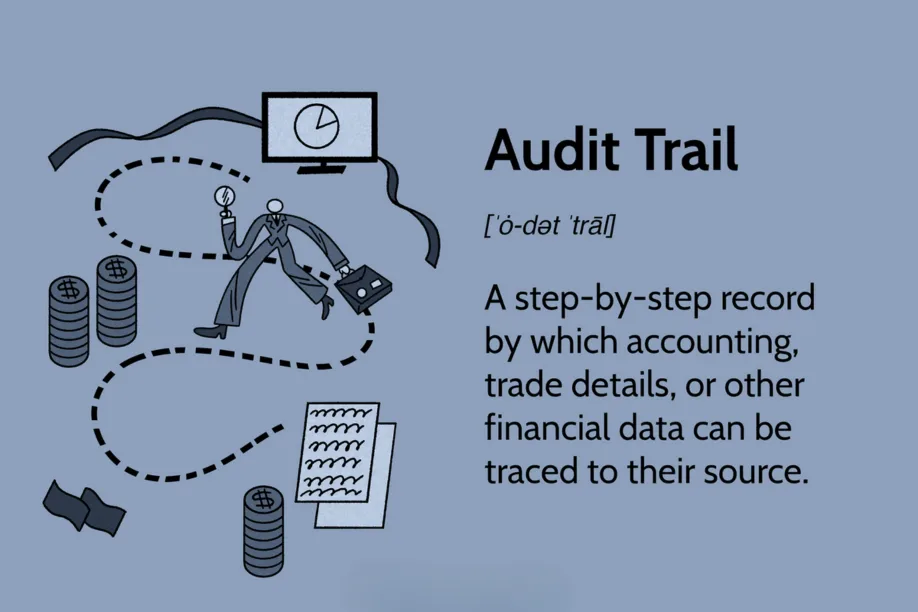
A strong lock decides whether a door holds under force, an audit trail decides how well you understand what happened at that door.
For small businesses, that history often matters as much as the hardware, especially when you handle incidents, complaints, or compliance checks.
Once smart locks and access control platforms log every entry attempt, security shifts from guesswork to documented facts.
How audit trails work inside a smart lock system
In a modern access control setup, every interaction with a door can create a record.
That record lives in the controller or cloud platform, not on paper or in someone’s memory.
A typical smart lock audit trail includes
- Who tried to unlock, card number, mobile credential, or user profile
- Which door they used, with a clear name or location
- What happened, granted, denied, forced open, or door held
- When it occurred, exact time and date
- How access happened, card, mobile, PIN, or mechanical override
With those pieces in place, you can replay door activity minute by minute when questions arise.
Three moments when audit logs change outcomes
Before an incident
When you review logs regularly, patterns appear.
You might notice repeated denied entries at a back door, or staff using emergency exits for routine traffic.
You can then adjust schedules, strengthen rules, or add training before a security gap turns into a real incident.
During an incident
If someone reports a theft or unauthorized entry, the audit trail gives you a starting point.
You can search by time window, door, or user and see which credentials interacted with that lock.
Instead of relying on rough memory, you anchor your response in time stamped data that lines up with cameras and alarm logs.
After an incident and disputes
Disputes happen, especially in shared spaces, warehouses, and hospitality.
Guests may claim a door failed, staff may deny entering a restricted area.
Audit logs provide neutral evidence, they show whether the system granted access, which credential opened the door, and how long the door stayed open.
What makes a smart lock audit trail effective
Not every log delivers the same value.
Useful audit trails follow clear design principles.
Clear, consistent data fields
Each event should carry the same basic structure, so you can filter and compare.
Good systems keep door names readable, avoid cryptic codes, and tie each credential to a real user profile.
That consistency lets managers answer questions quickly, such as who unlocked the warehouse at night or which doors a contractor used.
Search and reporting tools that non technical staff can use
Front office managers or property teams often review logs before security specialists.
They need simple filters for date ranges, doors, users, and event types.
Export options help when you share information with insurers, investigators, or auditors.
Retention and privacy balance
Logs gain value over time, yet they also contain sensitive movement data.
A clear retention policy defines how long you keep records for different door types and how you protect that data.
Role based access to logs ensures only authorized staff can review detailed history.
Business benefits of strong audit trails
Better accountability and trust
When staff and tenants know that doors record access, they treat credentials with more care.
Lost cards get reported sooner, shared PINs become less common, and people respect restricted areas.
Managers gain a fair way to investigate issues, based on data rather than assumptions.
Faster incident resolution
With complete audit trails, you shorten the time between a report and a clear picture of events.
You can confirm whether a door functioned correctly, whether schedules matched policy, and whether a credential behaved as expected.
That speed reduces disruption for tenants, guests, and operations.
Support for compliance and insurance
Many industries expect traceable access to critical areas.
Audit logs help you demonstrate that only authorized people reached server rooms, cash handling zones, or pharmaceutical storage.
Insurance carriers and regulators often view robust logging as a sign of mature security practice.
Practical steps to improve audit logging in your access control
Even if you already collect door events, you can refine how you use them.
- Review door naming so each event tells a clear story
- Confirm that every credential links to a person, not just a number
- Set up regular spot checks on high risk doors
- Use alerts for patterns that matter, such as repeated denied access or doors held open
- Train managers to pull and read reports when they handle complaints or security questions
These small steps turn raw data into a working management tool.
FAQ
Why is an audit trail important
An audit trail keeps a record of who did what and when, so you can verify events instead of guessing. In smart lock systems, logs show which credentials used which doors and how the system responded. That insight supports security, operations, and fair dispute handling.
What is the purpose of the data audit trail
A data audit trail documents changes to information over time. It records who created, modified, or deleted data and when that happened. In access control, that includes updates to user profiles, schedules, and permissions, which helps you understand how configuration changes affected security.
What does an audit trail check for
An audit trail checks for consistency between actions and policy. It reveals unusual patterns such as repeated denied access, door opens at odd hours, or changes to user rights that do not match normal workflows. By reviewing logs, you can confirm that systems operate as intended and detect possible misuse.
What is the purpose of the audit trail in research
In research, an audit trail shows how you collected, processed, and interpreted data. It documents decisions, versions, and methods so others can follow your reasoning. That transparency supports credibility and allows reviewers to see how you moved from raw observations to final conclusions.
Is an audit trail mandatory
Requirements depend on the industry and regulations that apply to your organization. Many financial, healthcare, and critical infrastructure environments need audit trails to meet legal or standards based expectations. Even where rules stay flexible, audit logs still provide strong protection for both security and accountability.
What are the 5 purposes of audit documentation
Audit documentation supports planning, evidence, conclusions, review, and compliance. It helps auditors design their work, record findings, support their opinions, allow independent review, and show that they followed relevant standards. In access control, similar documentation explains why you chose certain settings and how you validated them.
What are the risks of not having an audit trail
Without an audit trail, you lose visibility into how systems and users behave. You may struggle to investigate incidents, defend against claims, or prove compliance, and security gaps stay hidden longer. That lack of traceability can increase financial, legal, and reputational risk for the business.
What is the main objective of audit
The main objective of an audit is to provide an independent, evidence based view of whether a system or set of records meets defined criteria. In security, that means checking that controls work as intended and that logs and configurations support policy. The goal is better assurance, not just fault finding.
What are the advantages and disadvantages of using an audit trail
Audit trails offer clear benefits, such as improved accountability, faster investigations, and stronger compliance support. They also add storage, management, and privacy responsibilities, since you must protect the data and manage who can see it. When designed well, the benefits far outweigh the overhead for most businesses.
About EOS SECURE
EOS SECURE delivers precision engineered mechanical and electronic lock cylinders backed by more than a decade of manufacturing expertise. Established in 2011, our factory operates under ISO9001 and ISO14001 certifications, and our products meet rigorous international standards including EN1303 and SKG. With more than 50 advanced Swiss type CNC automatic lathes and integrated machining centers, we manufacture high quality lock cylinders and smart locking components that integrate smoothly with audit capable access control platforms. Whether you need electronic cylinders that report door events, small batch customization, or large scale production, EOS SECURE provides reliable performance, consistent quality, and dependable technical support. Secure your business with solutions built for long term stability, contact us today.