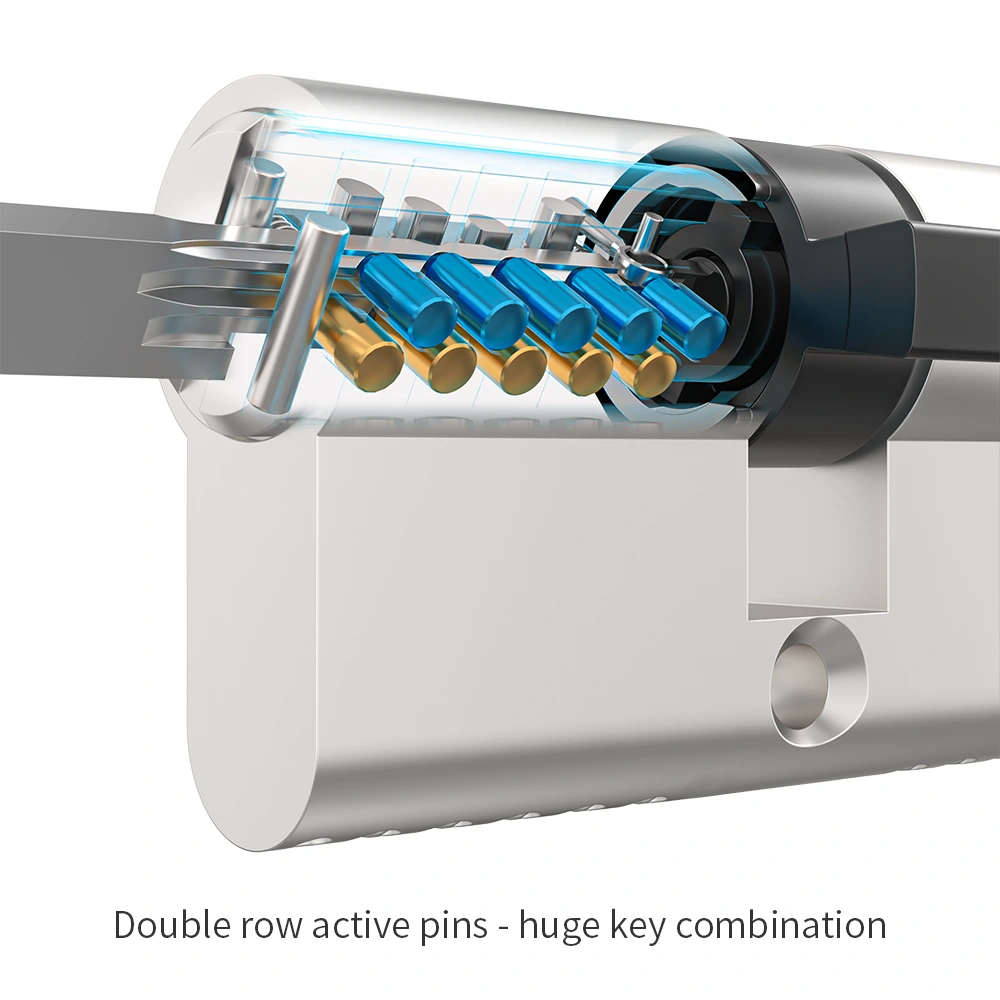
Deadbolt locks are critical to securing entry points for residential and commercial properties, as they can keep valuables and people protected while preventing unauthorized access. The main options under this category are single cylinder deadbolt vs double cylinder, each offering advantages that will work with specific situations.
In this article, we will look into the key differences between these types of deadbolts and applications where they work best.
Table of Contents
ToggleDifference Between Single vs. Double Cylinder Deadbolt Lock
To better understand the distinction between a single cylinder deadbolt vs double cylinder counterpart, we’ve created a table highlighting key points of difference.
| Single Cylinder Deadbolt Lock | Double Cylinder Deadbolt Lock | |
| Locking Mechanism | Requires a key for the exterior and a thumb-turn or knob setup in the interior to operate | Both the interior and exterior of the system require a key to operate |
| Convenience | Easy to use and operate, as it only needs a key on one side, moving from critical situations faster | Offers extra security but can hinder access during emergencies |
| Security Level | While offering tight security on the outside, minimal security from the inside can be tampered with through windows | Stricter security measures on both ends ensure higher protection, as keys are needed for access on either side |
| Regulations and Code | The setup meets most building codes and regulations, especially for residential use | Does not meet code requirements for some residential setups |
| Applications | Used in residential properties, where quick and easy access is important | Suitable for commercial properties where security is given in high priorityAlso works for doors and windows with glass panels |
A fundamental difference between the two deadbolts is the locking mechanism they use. A single cylinder deadbolt lock has a keyhole on one side for locking and unlocking the deadbolt, with the other end being a thumb-turn or knob. A double cylinder deadbolt lock, on the other hand, needs a key on both ends to operate its locking mechanism.
Now, let’s go to the specifics of these factors to compare single cylinder deadbolt vs double cylinder deadbolts.
Convenience
First, let’s talk about the convenience these deadbolts provide for residential and commercial properties. The simple, singular keyhole design of single-cylinder deadbolt locks makes them easier to use and is ideal for residential setups. Keys are only needed on one side of the door, typically the exterior side, meaning anyone on the inside can freely move without the need for keys.
Double cylinder deadbolt locks opt to focus on security at the expense of comfort or ease of use. As keys are required to lock and unlock the entry point from either end, users must always have their keys for movement. While this can prevent unwanted access, it can also delay movement during emergencies where ease of access is equal to safety.
Applications
Although both single cylinder door lock and double locks can be used as basic deadbolts for doors and other entry points, each works better in certain setups. We’ve listed some ideal applications for each based on their inherent strengths and advantages.
Best use applications for single cylinder deadbolt locks include:
- Every day home use, including front doors and bedroom doors
- Locations with minimal security requirements
- Emergency exits and other entry points that need immediate access.
For double cylinder deadbolt locks, these are best used on the following applications:
- Exterior doors with glass panels near the deadbolt’s location
- Properties with multiple entry points, as you can choose which ones can be accessed more easily
- Businesses, Airbnb, and commercial properties where secure access is important
Legal Regulations
The next point of difference will be the legal regulations surrounding the use of deadbolt locks on residential and commercial properties. Single cylinder deadbolts will typically comply with residential building codes, while double cylinder deadbolts may have some restrictions. However, they match more the building requirements for commercial properties, providing the security these establishments need.
Lock Security Considerations
Another factor to consider when looking at single cylinder and double cylinder deadbolt locks involves their security capabilities and how they match specific needs. Single cylinder deadbolts offer ample security from the outside, though the thumb turn or knob setup inside can easily lock or unlock the deadbolt. Conversely, double cylinder deadbolt sets provide security from both ends of the entry point, as keys are required to lock or unlock the deadbolt from either end.
Single Cylinder Pros & Cons
Pros:
- Simple and easy to use – from installation to usage, the single cylinder deadbolt is relatively easy to use and applicable for people of any age.
- Economical security option – compared to its double cylinder counterpart, single cylinder locks are more affordable and more accessible for homeowners and contractors.
Cons:
- Lower security capabilities – since the internal side of this deadbolt doesn’t require a key, it can easily be opened even by unwanted individuals.
- Susceptible to snapping – the deadbolt’s design and locking mechanism are vulnerable to snapping, which intruders can use to open the entry point.
Double Cylinder Pros & Cons
Pros:
- Better Resistance from Unwanted Access – these deadbolts are less prone to break-ins or tampering, as the lack of a thumb turn can make it difficult to open from one end.
- Ensures safety of occupants or valuables within the premises – whether securing family members or protecting important items, these locks can ensure no one goes in or out without the required keys.
Cons:
- Potential for Lockouts – since keys are required on both ends of the deadbolt, if you lose or leave the keys somewhere, you cannot access the location any other way.
- Inconvenient for frequently accessed locations – moving across high-traffic areas can be a hassle with double cylinder deadbolt locks, especially during emergencies or critical situations.
How to Choose the Right Cylinder Deadbolt: Single vs. Double?
Now that we’ve discussed their key differences, it’s time to look at some considerations when choosing a cylinder deadbolt for your project. There are three main factors to pay close attention to, each relating to typical manufacturing situations.
Security Requirements
The first factor will be the security requirements of the property where the deadbolt will be used. For low-risk areas or locations where security isn’t a big issue, single cylinder deadbolts will fit the requirements. Double cylinder deadbolts are more ideal for high-risk locations or setups where strict access is a must.
Personal and Family Lifestyle
Next, consider the lifestyle of those who would use the deadbolts. Double cylinder deadbolts work better for homes with small children or the elderly, as well as locations that require strict access privileges. On the other hand, single cylinder deadbolt locks work better in properties that value accessibility and constant movement.
Home Characteristics
Choosing the deadbolt cylinder to use on a construction project also requires considering the unique characteristics of the property. Emergency exits must use single cylinder deadbolts; double cylinder deadbolts can be used for doors near glass panels. Additionally, if the property features multiple entry points, both cylinders can be used depending on how often a door will be accessed.
FAQs about Single VS. Double Cylinder Deadbolt
Are Double Cylinder Deadbolts Legal?
Double cylinder locks face scrutiny due to the stricter security requirements they impose on users. As it requires a key on the interior and exterior sides, it can hinder movement during critical situations like emergencies.
Local building codes may not permit the use of double locks on residential properties, especially on the home’s main entrance. Since regulations may differ based on location, it’s best to consult the local housing or building authority to learn about their statutes for using double cylinder deadbolts.
Which Grade Lock is Best?
The American National Standards Institute (ANSI) assigned three grades for deadbolt locks according to the level of security they provide. While the highest grade offers the most security, it may not meet the needs of homes or low-risk areas.
Grade 1 or commercial grade locks are best used for setups that require high levels of security. Surpassing the strictest manufacturing standards, these can handle up to 250,000 cycles and up to 10 hammer blows without damage.
Grade 2 deadbolts still qualify as commercial grade but achieve a balance between quality and price. They typically cost less than Grade 1 counterparts and are typically used in residential properties.
Grade 3 locks meet minimum standards for quality and are the most affordable option among the three. These provide basic security features, though they can only withstand a couple of hammer blows before breaking.
Locking Things Up
Choosing the right cylinder lock for a project solely relies on one thing: the needs of the property where it will be used. While there’s a visible difference between a single cylinder deadbolt vs double cylinder lock, they also offer a set of benefits that will fit the project’s requirements. Single cylinder door lock boasts convenience and ease of use, while the double lock set focuses on security at the cost of convenience.
If you’re looking for a deadbolt lock for your project, source them from EOS SECURE today. We’re industry leaders in manufacturing custom single cylinder and double cylinder deadbolts according to your requirements. Grab a free quote from our team today.