Over time, door locks may accumulate dust, be worn down by regular use, or experience internal mechanism issues that can hinder their performance. As such, “how to fix a stuck door lock” is a common concern users have when purchasing a lock for their home or commercial property. While locksmiths can repair lock problems with ease, the time and financial expenses may be challenging in certain situations.
This article from your friends at EOS Secure aims to help fix complex lock issues. We will also understand potential causes to prevent these problems from recurring.
Common Lock Cylinder Problems and How to Fix Them
We’ve broken common lock cylinder problems into several factors to make identification and resolution fast and efficient.
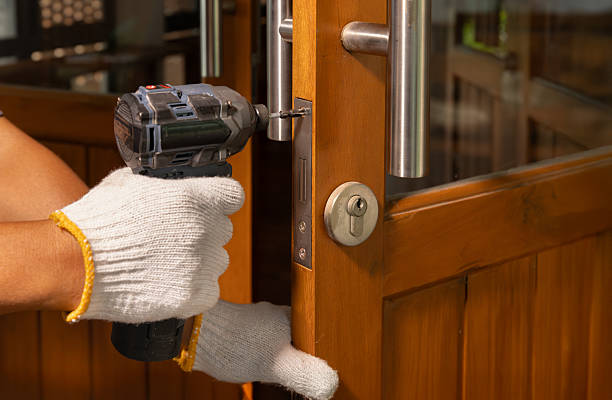
Key-Related Issues
Key won’t insert or turn
Three factors that can affect the insertion and turning of a key include a bent key, a dirty lock, or a misaligned door. Start by checking the key, making sure that it’s perfectly straight with no damage or bending. If you have a spare key, try using that to check the lock’s functionality.
Next, you can remove any dirt in the keyhole with compressed air. Then, spray a graphite or silicone-based spray to lubricate the keyhole, spreading the lube within using the key. You can also check the alignment of the door to the frame, which could be the reason why the lock isn’t turning.
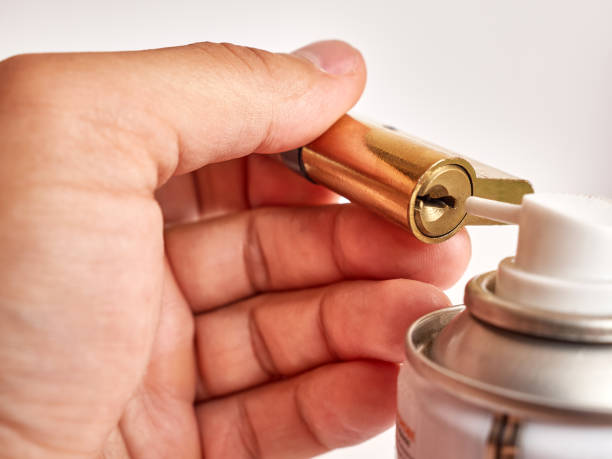
Broken key inside the lock
Keys may break inside the lock due to excessive force or metal fatigue, which could leave the door lock unusable. It’s best to remove the broken piece as soon as possible by spraying some lubricant and pulling the piece out.
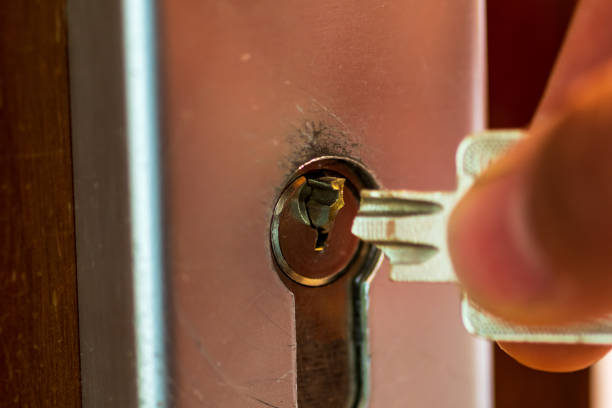
If there’s a part of the broken key sticking out, you can use a pair of pliers or tweezers to pull the part out. A jigsaw blade can be used instead if there’s no excess part, snagging the broken key with the blade. A straightened-out paper clip can do the task as well if in a pinch.
Loose or wobbly key fit
Keys that won’t fit properly in the keyhole can be a sign that it’s been excessively used, and some sections of the key are worn out. Excessive wear affects how the key interacts with the lock’s internal mechanisms, resulting in the lock not operating as normal. Consider having the key duplicated or replaced to prevent further problems with the key.
Worn or damaged key
Keys get worn or damaged over time, affecting its functionality and could lead to breaking if left unchecked. While you can jiggle or angle the key to engage the pins on the door lock and open it, this is considered a temporary fix. To prevent further problems, it’s ideal to have the key duplicated as soon as possible.
Lost or locked-in key
Losing keys or getting locked in can be one of the most frustrating experiences, especially when you’re in a hurry. For locked-in scenarios, you can check for other possible entryways or contact other people in the home to open the door. You can also contact a locksmith to open the lock without damaging the door.
If you lost your keys, it’s recommended to replace the door lock as soon as possible. This will prevent anyone else who may have it from entering your home.
Cylinder & Internal Mechanism Issues
Jammed or stiff cylinder
If the door lock issues include jamming or stiffening of the cylinder, it could be caused by either dirt buildup or problems with the internal mechanisms. Start by cleaning the cylinder using a cotton swab to wipe the dust or grime off. You can also use dry lubricants like graphite powders, checking their functionality along the way.
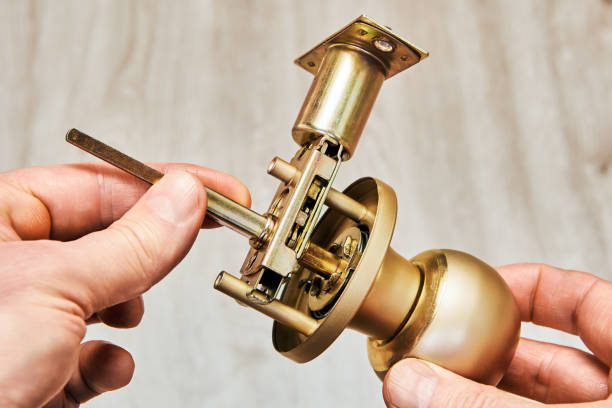
If there are no changes, then the door lock may have corroded, misaligned, or broken components. Gentle taps may help realign the mechanisms, though the door lock may require replacement if the issue persists.
Rough or uneven turning
Uneven turning of the door lock cylinder can be a sign that the internal components are misaligned or worn out. It could also be a result of debris buildup within the door lock or a lack of lubrication, causing the components to move unevenly.
Eliminate the lubrication issue by applying some graphite powder or dry silicone spray on the lock, then use the key to evenly spread the material. If there are no changes, then you may try adjusting the strike plate or tightening the screws to ensure proper connection of all internal mechanisms. If you notice any broken parts or if the other fixes didn’t work, then you may need a professional locksmith to check the door lock.
Cylinder turns but door won’t open
If the cylinder moves but the door won’t budge, there could be a problem with the door lock’s latch mechanism, specifically a loose or broken screw or cam. For this scenario, the lock needs to be removed and inspected for any damage or misalignment. Tightening the screws on the door’s edge may help, but if any part is broken, then the door lock needs replacement.
Loose internal parts
Another common lock cylinder problems include loose internal parts within the door lock, which stop it from functioning properly. Tightening all the screws will guarantee the internal parts are properly secured, though make sure they’re not overly tight.
Door Alignment & Installation Issues
Latch misalignment
Misaligned latches prevent door locks from closing or opening and are typically a result of a shift between the door and the frame. This happens over time, whether from temperature changes or from wear and tear.
Tightening any loose hinge screws would quickly address the issue, as it ensures the door and frame are properly aligned. You can also enlarge the strike plate hole if the misalignment is less than 1/8 inch with a metal file. For misalignments more than 1/8 inch, the strike plate could be moved to align with the latch.
Latch won’t retract or extend
Latches that won’t move can be a result of dirt buildup or overtight screws binding the mechanisms. Cleaning the latch mechanism and applying lubricant can encourage movement, resolving the issue. You can also loosen some screws on the inside of the door handle to relieve some pressure.
Worst-case scenario is that there are broken internal mechanisms hindering the latch from retracting or extending. Replacing the door lock will be the only reliable solution if this happens.
Door or bolt misaligned
A misaligned door or bolt is caused by loose or sagging hinges, which can be easily addressed by tightening the screws on the door. You may also need to swap the screws for longer ones to ensure proper alignment or add shims on the door hinge. Another solution will be adjusting the strike plate so the bolt and plate will properly align.
Loose handle or knob
A worn or missing screw, along with years of use without proper maintenance, can cause the door lock handle or knob to be loose. The fastest way to address the concern is by checking all the screws in the handle or knob’s interior and tightening them with a screwdriver. Additionally, it would be best to replace any missing screws to guarantee stability when in use.
Environmental & External Factors
Lock frozen or stuck
If a deadbolt is sticking and won’t budge, the lock may be frozen due to cold weather. Apply gentle heat from a hair dryer to melt the ice buildup, though a commercial de-icer or rubbing alcohol can also work. You can also apply some lubricant to prevent the deadbolt from freezing in the future.
One thing to avoid when dealing with a frozen lock is forcing the key. This can damage both the lock and key or even result in a broken key when excessive pressure is applied. Another is using open flames to melt the ice, which can damage the door lock.
Aging or corroded lock
Constant exposure to air, moisture, and other elements may cause the door lock to severely age or corrode, affecting its functionality. Cleaning the lock with lubricating sprays or a vinegar solution may remove the rust and restore its locking mechanisms. However, if the damage has permeated the lock’s internal system, leading to brittle parts, a replacement is the better option.
Dust buildup or lack of lubrication
The simplest way to address dust buildup is by cleaning the door lock using a cotton swab. You can clamp the swab on a pair of pliers; just be sure not to accidentally leave the swab in.
Spraying graphite powder or lubricant will help the internal mechanism move smoothly, which you can do by spreading it using a key. Avoid using oil-based lubricants on door locks exposed to dust-filled locations, as they can cause more dust buildup.
Electronic / Smart Lock Issues
Unresponsive or delayed electronic lock
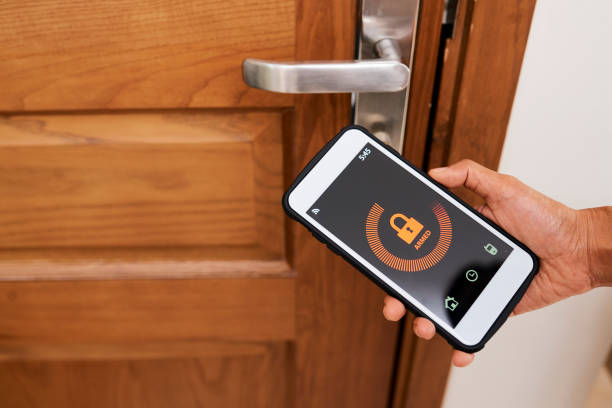
Always check the batteries of your electronic lock to avoid delays or lack of response, replacing them routinely to ensure optimal operation. For an unresponsive keypad or fingerprint sensor, wipe the sensor with a dry, soft cloth to remove any dust buildup.
If you’re using a remote or app and it doesn’t respond, check the Wi-Fi connection and Bluetooth connectivity. Using the Bluetooth remote closer to the smart door lock with prevent interruptions as well.
Low battery or system error
Along with replacing the batteries, check the app for the electronic lock for any firmware updates and download any necessary software. You may also opt for a soft reset if the lock’s system is fully updated.
Safety & Functional Concerns
Lock fails to engage or release
Start by checking for any obstructions that can interfere with the connection between the lock and key, and clear the keyhole of any dust. You can also lubricate the keyhole to encourage movement within the lock’s internal mechanism.
If the issue persists, check the contact point between the latch and strike plate and make necessary adjustments if needed. Additionally, make sure all screws on the lock are tight enough without overtightening them to avoid misalignment.
Security risks due to wear or damage
While lubricating the door lock may address immediate concerns regarding wear and damage, it’s advisable to look into replacing the locks immediately. The longer the door lock remains damaged, the higher the risk it poses for potential break-ins or breaking when in use.
When Should You Call a Locksmith?
Sure, you’re confident with your handyman skills, but there are some problems that only the experts can handle. In this section, let’s discuss the lock cylinder repair requirements where having a locksmith will be the better option.
Complex Repairs
Door lock technology has progressed over the years, with some using innovative solutions to keep homes and businesses safe. The mechanisms found in some modern door locks can be too complex for the common user and will require the expertise of a professional locksmith. Plus, they have the right tools and skills to address the problem while causing minimal damage to the door and the lock itself.
Emergency Situations
The pressure and time constraints of emergencies can cause panic to most people, leading to poor handling of door knob issues. Professional locksmiths have the proper training to conduct lock cylinder repair even in time-sensitive situations, ensuring you get into your property with minimal issues.
Key Duplication and Rekeying
Broken and worn-out keys will require a duplicate to be created to continue using the door lock. Locksmiths have the proper tools to efficiently duplicate your keys, making sure they fit perfectly and function seamlessly. They can also rekey the door lock in case the original keys were lost or stolen.
Security Assessments
There will be situations where the existing door lock may not be suitable for use, be it due to wear or damage. Locksmiths can help assess the extent of the damage, determine the type of door lock that will work best for your setup, and recommend the most effective installation method.
Repair Lock and Deadbolts the Professional Way
Knowing how to fix a stuck door lock and other concerns regarding door locks can save tons of stress and expenses. It also helps prevent future problems by addressing the issues as early as possible with the tools you have. However, don’t hesitate to contact a professional locksmith for serious concerns like broken keys or damaged door locks.
For door lock cylinders that homes and businesses can rely on, source them from EOS Secure. They’re made with precision CNC machines and designed by industry experts with years of experience. Talk to our team today to grab a free quote.